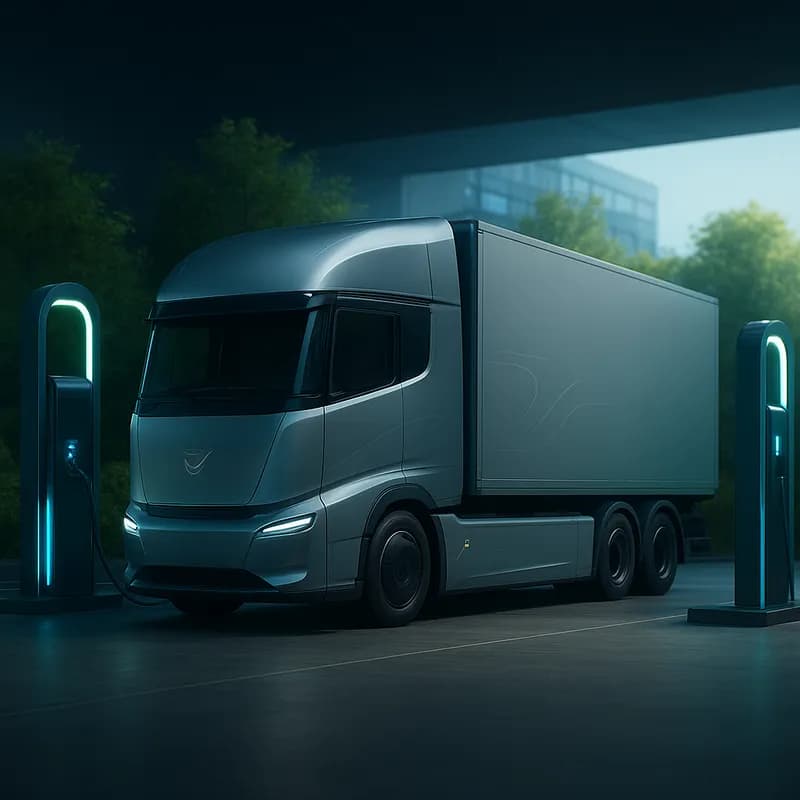
German logistics firm Spedition Stickel is accelerating its transition to heavy-duty electrification, successfully integrating ten battery-electric trucks into its operational fleet. This move marks a significant milestone for the medium-sized carrier as it navigates the complexities of decarbonizing regional freight transport.
Overcoming Initial Complexity
Managing director Christian Stickel highlights that the shift to electric heavy-duty vehicles involves a steep learning curve. Unlike traditional diesel operations, building a battery-electric ecosystem requires a comprehensive strategy that includes specialized charging infrastructure, route optimization, and a shift in maintenance protocols. Stickel emphasizes that while the initial complexity is high, the investment is essential for long-term competitiveness in a changing energy landscape.
Investment and Confidence
The transition is fueled by a combination of strategic investment and a commitment to sustainable energy. Stickel notes that success in this sector requires more than just purchasing vehicles; it demands the confidence to embrace a new energy future. By operating ten electric trucks, the company is gaining critical data on performance and cost-efficiency, proving that electric logistics are viable for modern supply chains despite the current infrastructure challenges.