The Policy Pivot: Beyond Subsidies
As India navigates its transition to cleaner transportation, the conversation surrounding electric vehicle (EV) adoption has evolved significantly. According to Amit Bhatt, Managing Director for ICCT India, the initial phase of electrification—often fueled by government financial incentives—is reaching its limit. Speaking at the India Clean Transportation Summit 2026, Bhatt emphasized that while subsidies are excellent for sparking early consumer interest, achieving true market scale requires a shift toward hard regulatory mandates and long-term policy certainty.
The contrast between current progress and future goals is stark. While India has seen a massive surge in EV interest over the last two years, driven partly by global fuel price volatility and increased consumer trust in technology, the 30% EV penetration goal for 2030 remains ambitious. Bhatt argues that the most successful initiatives, such as the Delhi EV Policy, succeed because they set definitive timelines for phasing out internal combustion engine (ICE) registrations for specific vehicle segments. This creates an environment of competitive urgency, forcing original equipment manufacturers (OEMs) to innovate rapidly or risk losing their market share.
The Multi-Segment Landscape
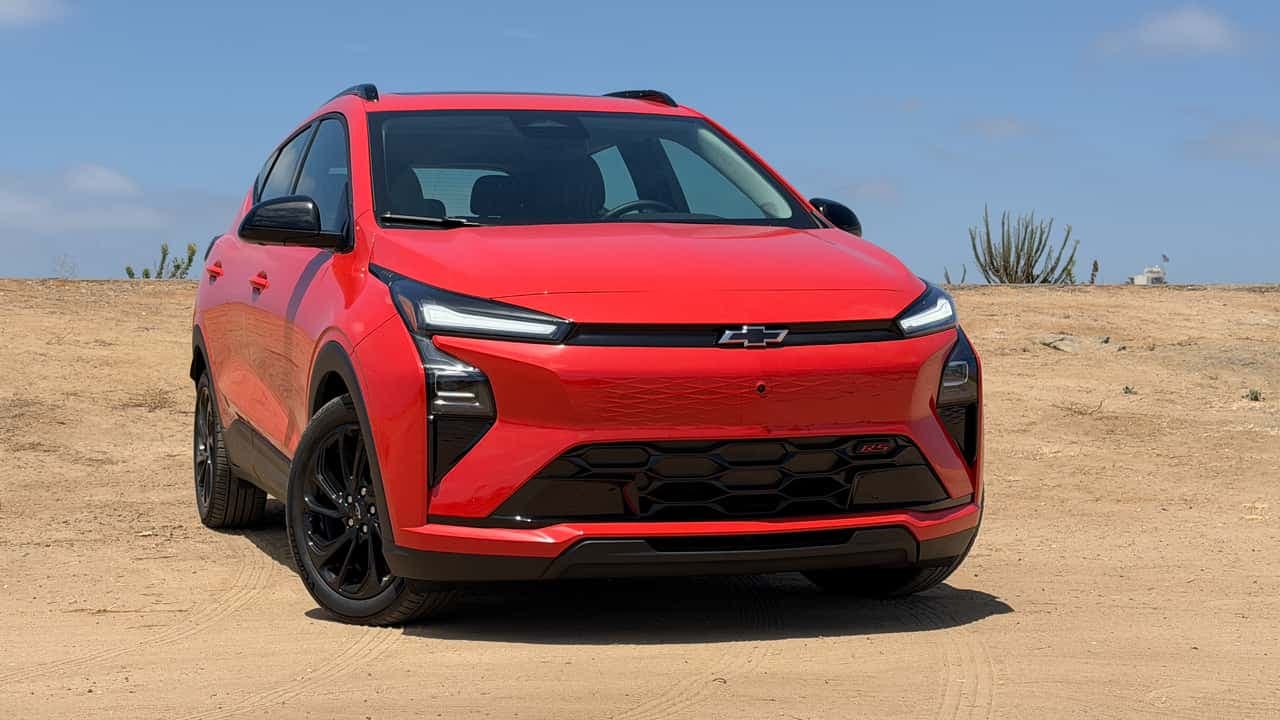
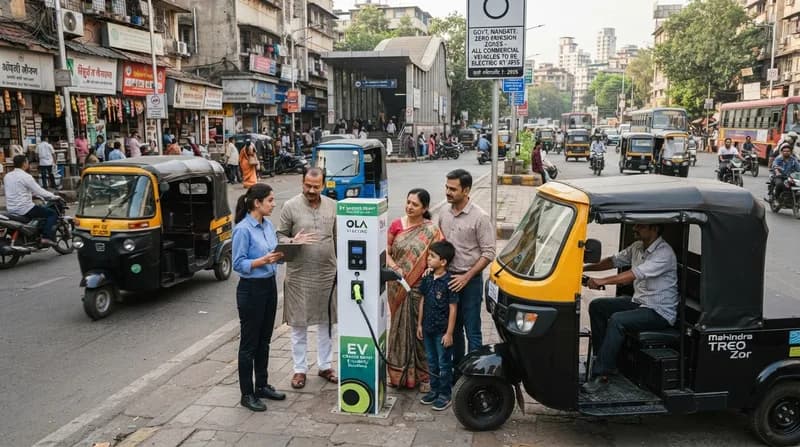
India’s EV adoption profile varies wildly across different vehicle categories. Two-wheelers have become a breakout star, with high demand and rapid product turnover that keeps showrooms nearly empty. Three-wheelers have similarly surged, becoming a bedrock of the country’s electrification efforts. However, the four-wheeler market, while showing growth, requires more consistent structural support to move beyond the 10% market share threshold. Meanwhile, the heavy-duty trucking segment remains in its infancy, facing unique hurdles that require more than just financial aid to overcome.
The Challenge of Heavy-Duty Trucking
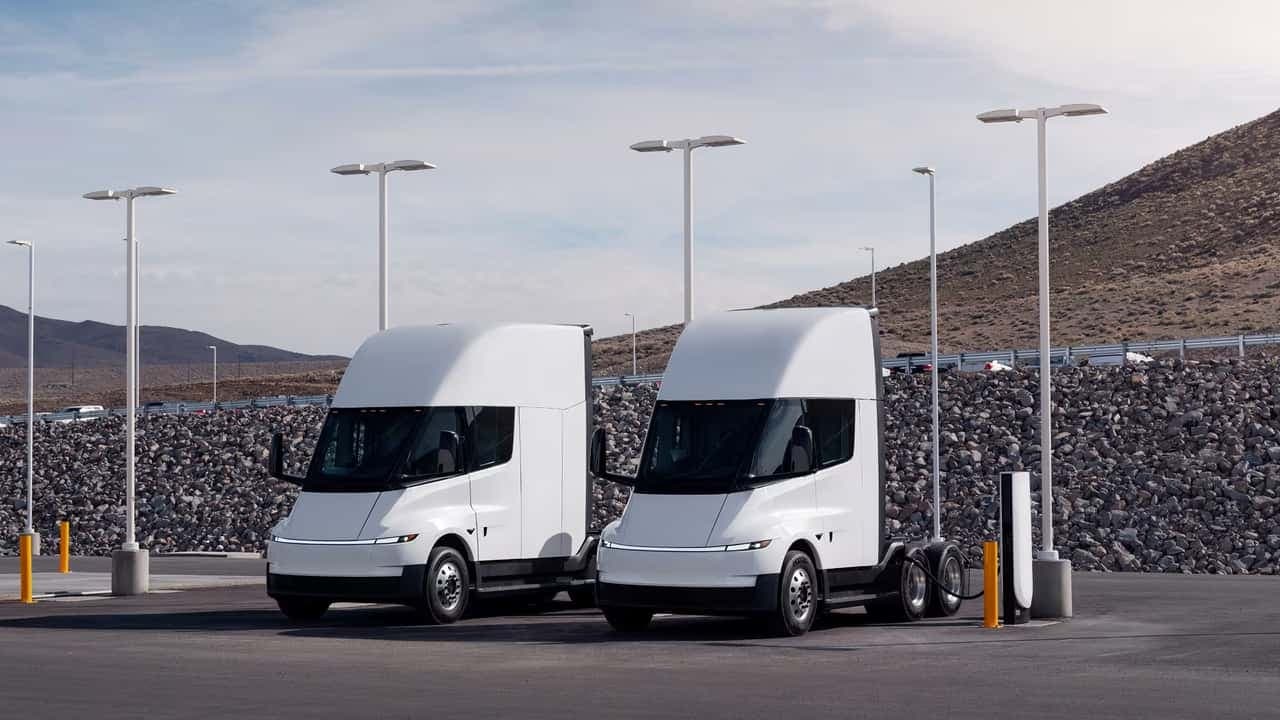
One of the most persistent bottlenecks for electric truck adoption in India is the current reliance on scrappage policies. To access subsidies for new electric trucks, operators are often required to scrap older vehicles of equal or greater weight. This creates a logical paradox, as many high-capacity trucks are relatively young and not yet ready for the scrapyard. Bhatt suggests that relaxing these specific requirements is crucial to jump-starting the heavy-vehicle market, allowing operators to modernize their fleets without being forced to discard productive, newer assets.
The Future of Hydrogen and Buses
While some policy discourse includes hydrogen fuel-cell technology, industry consensus remains skeptical regarding its economic viability for ground transport in India. Bhatt notes that while the technology is functional, the economics do not favor hydrogen over battery-electric powertrains in the near term. Instead, the focus for the heavy-duty sector should remain on electrification. A proposed government scheme targeting private bus operators—who currently control the vast majority of India’s bus fleet—could serve as a vital catalyst. By addressing financing barriers and infrastructure needs for school and staff transport, the government could unlock a segment that has been historically underserved by clean energy initiatives.
Why It Matters
- Regulatory Clarity: Clear phase-out dates for ICE vehicles provide the demand certainty manufacturers need to commit to local production.
- Economic Hurdles: Scaling local battery manufacturing requires consistent demand to achieve economies of scale, rather than just one-off project support.
- Market Dynamics: Moving from a subsidy-led model to a regulation-led model is essential for long-term sustainability and industry growth.