A New Benchmark for Automotive Sustainability
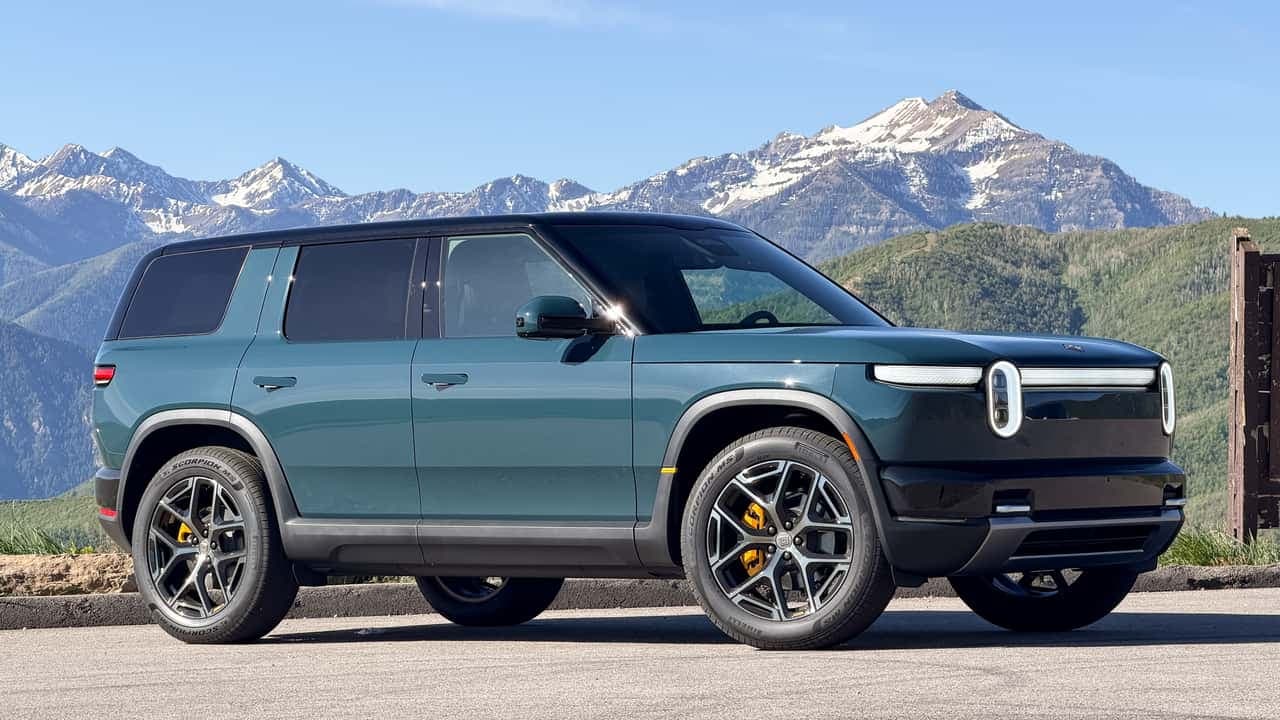
As the automotive industry pivots toward electrification, the conversation has increasingly shifted from simply removing tailpipe emissions to examining the entire lifecycle of a vehicle—from the raw materials used in the factory to the energy consumed on the open road. Rivian, the Irvine-based electric vehicle manufacturer, has put its money where its mouth is with its newly published 2025 Impact Report and R2 Circularity, Energy, & Carbon Footprint Report. The headline finding is a major milestone: the upcoming R2 platform is engineered to have roughly half the lifetime carbon footprint of the company's flagship R1S SUV.
This achievement is not merely the result of a smaller form factor, though the R2’s optimized size and weight certainly contribute to its increased road efficiency. Rather, the reduction stems from a holistic, top-to-bottom strategy regarding materials science and manufacturing ethics. By rethinking how vehicles are constructed, Rivian has managed to hit its internal sustainability goals four years ahead of schedule, setting a new bar for what consumers can expect from sustainable luxury transport.
Material Innovation and Circular Design
The R2’s environmental edge is heavily anchored in its composition. Rivian has integrated a massive 25% share of recycled materials into the vehicle's construction, turning waste streams into high-quality automotive components. The interior, in particular, is a masterclass in circular engineering: textiles are derived from Nordic paper waste, trim pieces and the frunk utilize 85% consumer waste, and the floor mats are crafted from 99% ocean-recovered plastics. Even the resin battery cell trays are manufactured from 100% recycled materials.
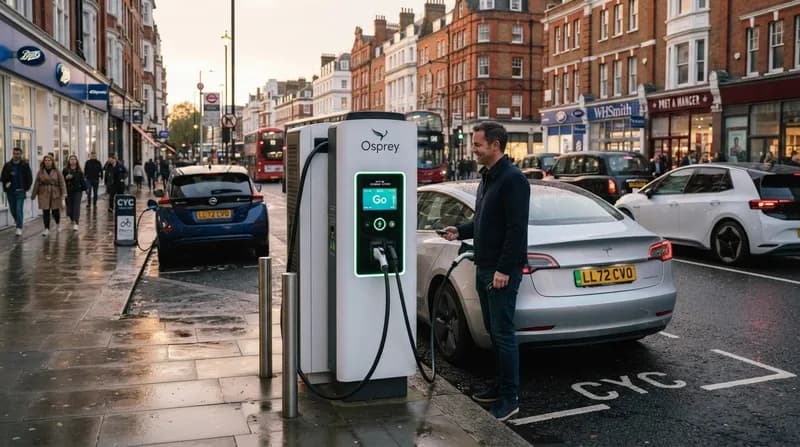
Beyond the material sourcing, the R2 also debuts smart charging integration. The vehicle is designed to communicate with the grid to prioritize charging during off-peak hours when the electricity mix is typically cleaner and cheaper. This capability not only lowers the owner's operational costs but also lessens the strain on local power infrastructure, proving that the vehicle's environmental impact extends well beyond the factory gates.
Why It Matters
- Lifecycle Efficiency: By targeting the entire lifespan of the vehicle, Rivian is addressing the "hidden" emissions that often plague battery-electric production.
- Supply Chain Rigor: Rivian is mandating human rights and environmental screenings for all potential Tier 1 direct suppliers, ensuring sustainability extends to the entire corporate ecosystem.
- Circular Economy: The emphasis on using ocean waste and consumer recyclables reduces the need for virgin raw materials, lowering the energy-intensive demand for mining and processing.
Educational Outreach and Long-Term Strategy
Rivian’s commitment to sustainability is expanding beyond the vehicle assembly line. The company has aggressively scaled its education network, now partnering with 45 different colleges and trade schools. The goal is to cultivate the next generation of engineers and technicians who specialize in low-carbon manufacturing techniques and energy-saving designs. By fostering this workforce, Rivian is attempting to build a sustainable industry infrastructure that outlives any single vehicle model.
Ultimately, the R2 stands as a testament to the fact that performance and environmental stewardship do not have to be mutually exclusive. While it may not be half the size of the R1, the drastic reduction in total carbon impact marks a significant victory for the automaker. For buyers, the R2 offers a path to lower-impact ownership that doesn't compromise on the rugged, adventurous DNA that has defined the Rivian brand since its inception.