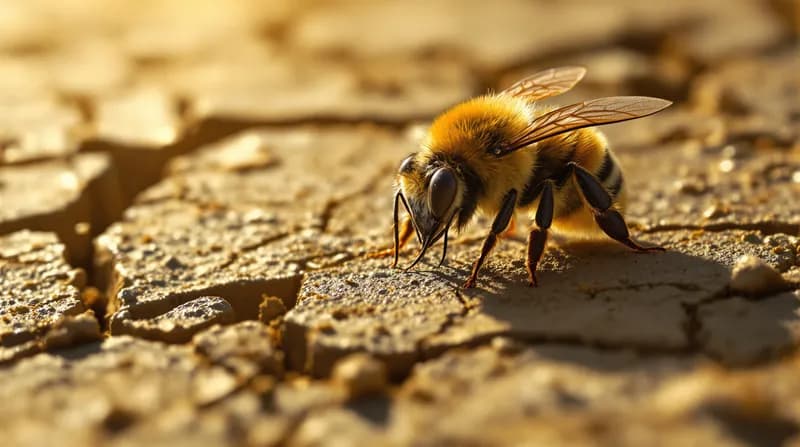
Observers have noted a concerning rise in the number of dead bumblebees appearing on urban sidewalks, a phenomenon linked to both natural life cycles and intensifying environmental pressures. While bumblebees naturally have short lifespans, current ecological conditions are significantly shortening their survival window.
The Impact of Heat and Pesticides
Extreme heatwaves are proving fatal to many bees, pushing them beyond their physiological limits. Furthermore, the widespread use of pesticides continues to pose a double threat: these chemicals can directly poison the insects or eliminate the specific floral species they rely on for nutrition.
Habitat Loss and Conservation
Urbanization and industrial agriculture have resulted in severe habitat loss, leaving bumblebees with fewer safe locations to feed and nest. Experts suggest that recovery is possible through targeted human intervention. By protecting native plant species and reducing chemical use in gardens and public spaces, communities can provide a much-needed lifeline for these vital pollinators.