E-BUZZ ME Logo
ScienceTechnical Deep Dive

Earth’s Subterranean 'Gold Kitchen' Discovered Beneath the Seafloor

Published
Earth’s Subterranean 'Gold Kitchen' Discovered Beneath the Seafloor
1 min read160 words

The Gist

New research reveals how submarine volcanoes act as natural refineries, concentrating gold through intense mantle melting processes.

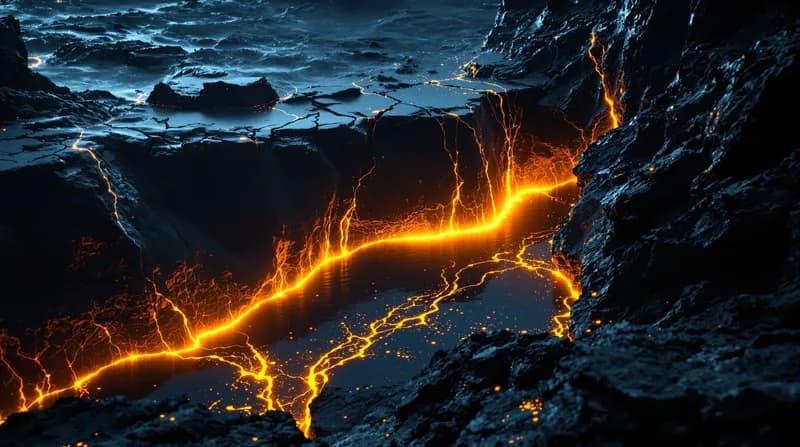
Deep beneath the ocean's surface, Earth may be operating a natural "gold kitchen" that systematically concentrates precious metals. By analyzing volcanic glass samples from the Kermadec island arc, located north of New Zealand, researchers have uncovered the specific geological conditions required to produce gold-rich magma.

The Mechanism of Concentration

The study indicates that water-rich mantle beneath subduction zones undergoes repeated melting cycles. This process is critical because the intense heat and specific chemical environment break down sulfur-rich minerals. Under normal conditions, these minerals trap gold within the Earth's crust; however, the localized melting releases the metal, allowing it to integrate into rising magma.

Implications for Marine Geology

This discovery provides a clearer picture of how mineral deposits form in deep-sea environments. By identifying the Kermadec arc as a site of active metal concentration, scientists can better understand the lifecycle of gold from the Earth's deep mantle to the seafloor, highlighting the complex volcanic plumbing systems that drive our planet's chemistry.
Related Stories

Semantically matched articles, ranked by topic overlap and freshness.

New Simulations Challenge Hopes for Shallow Water Reservoirs on Europa
Science67%

New Simulations Challenge Hopes for Shallow Water Reservoirs on Europa

New research suggests that water from Europa's hidden ocean may struggle to reach the surface, complicating the search for life on Jupiter's icy moon.

Innovative Microwave-Hybrid Frying Could Produce Healthier French Fries
Science65%

Innovative Microwave-Hybrid Frying Could Produce Healthier French Fries

Researchers have developed a new cooking technique that combines microwave heating with conventional frying to reduce oil absorption without sacrificing texture.

Stunning Fossil Reveals Internal Organs of 245-Million-Year-Old Marine Reptile
Science65%

Stunning Fossil Reveals Internal Organs of 245-Million-Year-Old Marine Reptile

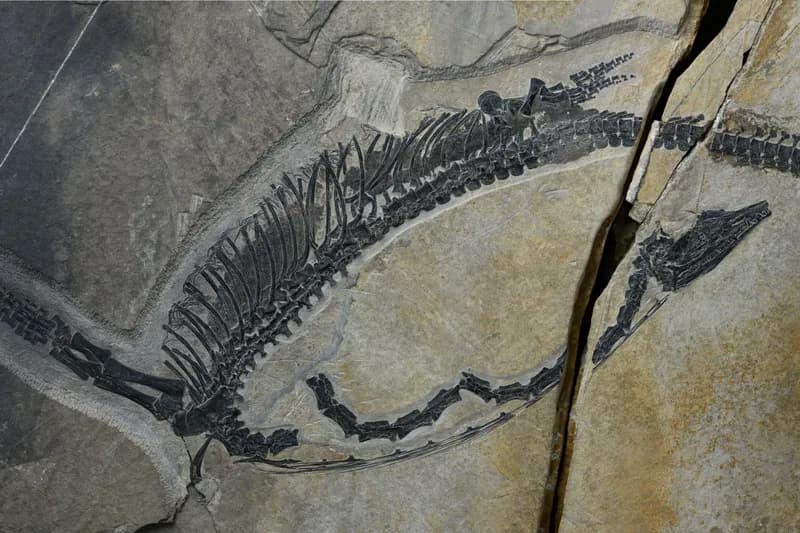
Researchers have discovered a remarkably preserved fossil of Austronaga minuta, an ancient marine reptile that offers a rare glimpse into prehistoric internal anatomy.

Painless Liquid Treatment Could Replace Drilling for Childhood Cavities
Science63%

Painless Liquid Treatment Could Replace Drilling for Childhood Cavities

A major U.S. clinical trial reveals that silver diamine fluoride can stop tooth decay in children without the need for needles or drills.

The Long Goodbye: How the Moon’s Gradual Recession Will Change Earth
Science61%

The Long Goodbye: How the Moon’s Gradual Recession Will Change Earth

As the Moon slowly drifts away from our planet, the long-term consequences range from altered tidal patterns to the eventual disappearance of total solar eclipses.

The Gut-Brain Connection: How Digestion Shapes Memory Formation
Science61%

The Gut-Brain Connection: How Digestion Shapes Memory Formation

New research suggests that signals sent from the gut to the brain via the vagus nerve are essential for turning nutritional experiences into lasting memories.

Daily Multivitamin Use Linked to Improved Functional Health in Older Adults
Science61%

Daily Multivitamin Use Linked to Improved Functional Health in Older Adults

A new study suggests that daily multivitamin supplements could play a key role in helping seniors maintain the physical strength and stamina required for independent living.

The Evolutionary and Physical Science Behind Super-Long Fingernails
Science60%

The Evolutionary and Physical Science Behind Super-Long Fingernails

A new scientific inquiry explores the mechanics and motivations behind 'artificially elongated fingernails,' moving beyond mere aesthetics to understand their physical impact.