Researchers at Carnegie Mellon University's Neuromechatronics Lab have identified the specific mechanism that allows spinal cord stimulation (SCS) to restore arm and hand movement in individuals who have suffered a stroke.
Bridging the Gap in Neurological Recovery
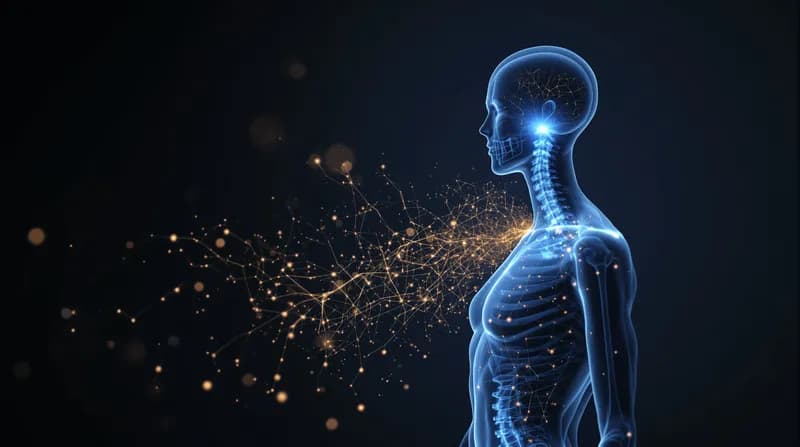
While previous clinical trials had already demonstrated that SCS could significantly improve motor function, the biological process behind these improvements remained a mystery. The new findings explain how electrical pulses delivered to the spinal cord enhance the communication between the brain and the peripheral nervous system.
By targeting specific neural circuits, the stimulation amplifies the remaining signals from the brain that were weakened by the stroke. This amplification allows patients to regain voluntary control over muscle movements that were previously inaccessible.
Future Implications
Understanding this mechanism is a critical step toward refining stimulation protocols and developing more personalized treatments for stroke rehabilitation. The team at the Neuromechatronics Lab continues to investigate how these neural pathways can be optimized to provide long-term recovery for patients with chronic motor deficits.