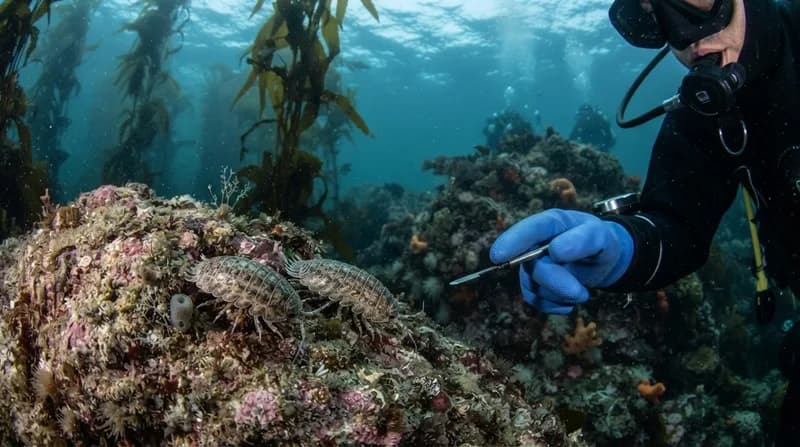
Scientific exploration into the biology of an ancient sea worm has uncovered a remarkable structural secret: jaws that function with the strength of metal but possess the characteristics of biological tissue. This discovery introduces a new category of natural materials dubbed "bio-metals," which could redefine how engineers approach material durability and flexibility.
The Mechanics of Bio-Metals
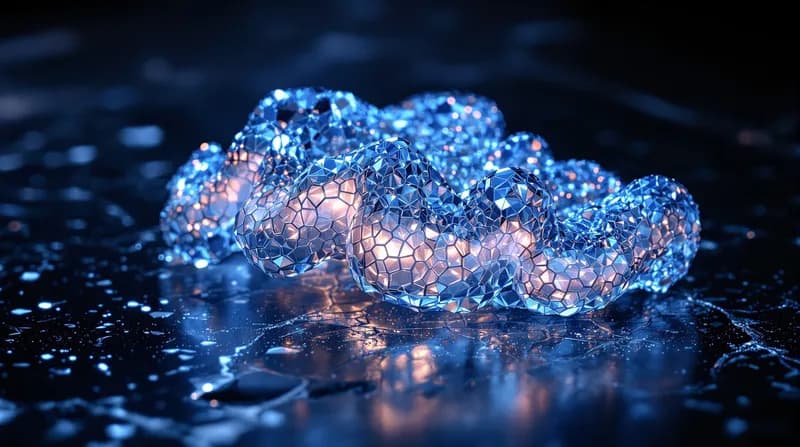
Unlike traditional biological structures that rely on calcification, these jaws combine specific proteins with metal ions. This unique chemical architecture results in a material that exhibits metal-like strength and unusual mechanical behavior. While they share properties with manufactured alloys, these structures remain fundamentally different from traditional metals, showcasing a level of natural sophistication previously unseen in the animal kingdom.
Future Implications
The study of these sea worm jaws is more than a biological curiosity. Researchers believe that by mimicking this protein-metal integration, they can develop a new class of synthetic materials. These "bio-metals" could lead to advancements in robotics, aerospace, and medical implants, where materials need to be both incredibly strong and highly adaptive to mechanical stress.