ScienceTechnical Deep Dive

ProteinTalks: The AI Virtual Cell Reshaping Precision Oncology

Published
EElectricBuzz Editorial Team
ProteinTalks: The AI Virtual Cell Reshaping Precision Oncology
2 min read398 wordsElectricBuzz Editorial Team

The Gist

A groundbreaking new AI model predicts personalized breast cancer treatments by simulating how proteins shift in response to drugs over time.

Revolutionizing Cancer Treatment with Virtual Dynamics

The quest for precision medicine in oncology has long been hindered by the static nature of biological analysis. Cancer cells are dynamic, constantly evolving environments, yet most diagnostic tools rely on snapshots rather than longitudinal data. Enter ProteinTalks, a transformative AI virtual cell model designed to predict how specific cancer cells respond to medical treatment by mapping the complex, non-linear shifts in protein behavior over time.

Published in Nature, this research marks a significant departure from traditional AI models that focus primarily on gene activity. By analyzing over 38 million protein measurements across 5,585 distinct proteins, the model provides a granular look at how cancer cells react to 63 FDA-approved anticancer drugs and various combinations. The AI specifically monitors changes at 6, 24, and 48 hours post-treatment, creating a time-resolved map of cellular response that captures the mechanisms of drug resistance and efficacy that standard models often miss.

Why ProteinTalks Matters

  • Dynamic Modeling: Unlike legacy tools that view cells as fixed states, ProteinTalks simulates the fluid, changing internal environment of a tumor.
  • Drug Resistance Identification: The model successfully pinpointed key protein drivers of resistance, such as the AKR1C3 protein, enabling researchers to restore sensitivity to chemotherapy.
  • Cross-Cancer Utility: Though initially trained on breast cancer, the model demonstrated remarkable versatility, successfully predicting responses in lung, colorectal, pancreatic, and melanoma cancer cell lines.
  • Synergistic Combinations: ProteinTalks identified unique two-drug pairings that perform significantly better than single-agent therapies, particularly for aggressive, hard-to-treat triple-negative breast cancer.

From Virtual Lab to Personalized Medicine

The implications for clinical practice are profound. In testing, the platform analyzed the protein signatures of 501 triple-negative breast cancer tumors, effectively categorizing patients based on recurrence risk and potential survival outcomes. By integrating this AI into the development pipeline, researchers can conduct 'virtual' drug screenings, narrowing down thousands of candidates before moving to expensive and time-consuming laboratory trials.

Perhaps most promising is the model's ability to identify repurposed drugs that are effective in patient-derived organoids—mini-tumors that replicate the biology of an individual patient. This capability allows for highly personalized treatment plans where clinicians can identify drugs that kill tumor cells at doses far lower than standard chemotherapy, thereby reducing toxicity and improving patient quality of life. As this technology matures, it stands to turn the tide against complex cancers by replacing the 'trial and error' approach of oncology with a data-driven, predictive strategy.
The 5 Best Over-Ear ANC Headphones of 2026, Tested & Ranked
Editor's Pick Guide
92/100
Tech & Gadgets12 min read

The 5 Best Over-Ear ANC Headphones of 2026, Tested & Ranked

We locked five over-ear ANC picks for 2026 — Sony WH-1000XM6, Bose QuietComfort Ultra 2, Soundcore Space One, Sennheiser Momentum 5, and Apple AirPods Max 2 — then stress-tested them on lab metrics, long-term owner truth, and live street prices.

Related Stories

Semantically matched articles, ranked by topic overlap and freshness.

NASA's Roman Space Telescope Set for Two Decades of Cosmic Discovery
Science

NASA's Roman Space Telescope Set for Two Decades of Cosmic Discovery

Thanks to exceptional launch precision and significant fuel savings, the Nancy Grace Roman Space Telescope is poised to more than double its mission life, potentially operating for over 22 years.

Unlocking Predictive Markers: How B Cells Could Forecast Immunotherapy-Induced Colitis
Science

Unlocking Predictive Markers: How B Cells Could Forecast Immunotherapy-Induced Colitis

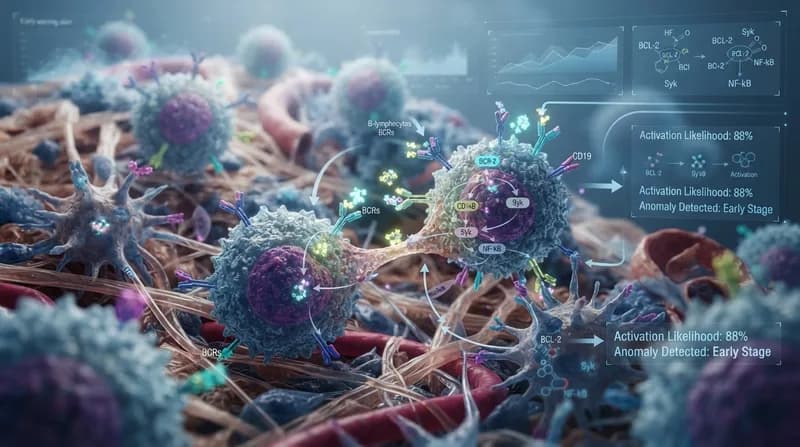
New research from MD Anderson Cancer Center suggests that B cell activity acts as a crucial early-warning system for identifying patients at risk of developing severe colitis during cancer treatment.

Could a Tiny Brain Protein Be the Master Switch for Aging?
Science

Could a Tiny Brain Protein Be the Master Switch for Aging?

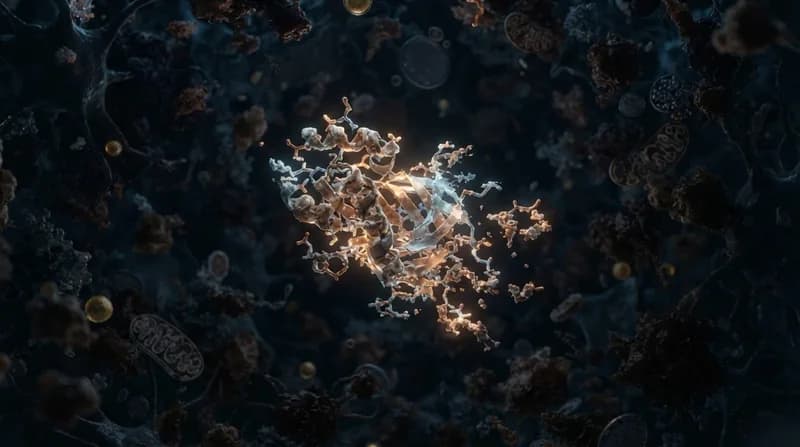
Researchers have identified that declining levels of a brain protein called Menin may drive systemic aging, offering a potential new target for age-related health interventions.

Challenging Einstein: Scientists Pioneer Gravity Tests Using Exotic Muonium Atoms
Science

Challenging Einstein: Scientists Pioneer Gravity Tests Using Exotic Muonium Atoms

Researchers at ETH Zurich have developed a method to create controlled beams of muonium, potentially enabling the first-ever gravitational tests on second-generation particles.

Unlocking the Narrative: AI System Transforms Physician Notes into Actionable Medical Data
Science

Unlocking the Narrative: AI System Transforms Physician Notes into Actionable Medical Data

A groundbreaking study reveals how a new AI system can parse clinical prose at scale, converting hidden patient insights into verifiable, computer-readable data.

Caltech’s Femtosecond Breakthrough: Steering Light with Light
Science

Caltech’s Femtosecond Breakthrough: Steering Light with Light

Researchers have engineered a nanoscale silicon metasurface capable of redirecting light beams in just 74 quadrillionths of a second, shattering traditional speed barriers in photonic computing.

Beyond the Starch: Why Black and Green Rice Are Emerging as Metabolic Superfoods
Science

Beyond the Starch: Why Black and Green Rice Are Emerging as Metabolic Superfoods

New research from Hokkaido University reveals that pigmented rice varieties contain unique, beneficial fats that could revolutionize dietary approaches to blood sugar management.

Biological Breakthrough: Scientists 3D-Print a Functional Human Gut-on-a-Chip
Science

Biological Breakthrough: Scientists 3D-Print a Functional Human Gut-on-a-Chip

Researchers at Lawrence Livermore National Laboratory have successfully replicated the complex 3D architecture of the human small intestine on a compact, microfluidic device.