A Medical Milestone for Species Conservation
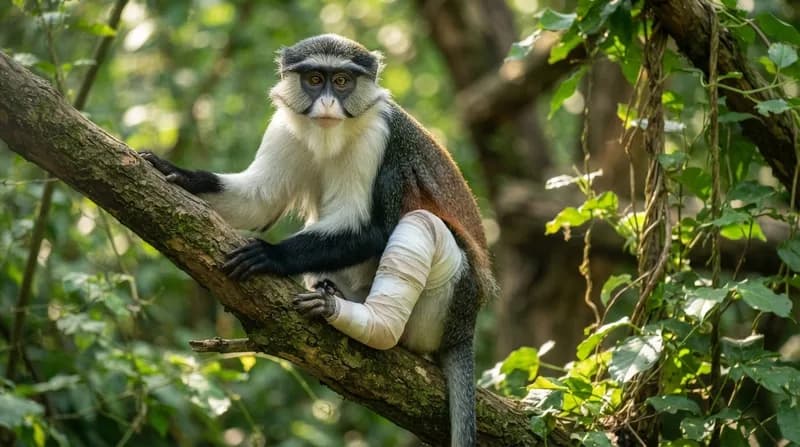
In a remarkable intersection of veterinary medicine and wildlife conservation, a 15-year-old roloway monkey named Masaya has defied the odds. Living at Chester Zoo, Masaya was facing the grim prospect of amputation following a persistent, golf-ball-sized mass on her foot that had plagued her for years. After numerous diagnostic tests, including X-rays and biopsies failed to pinpoint an exact cause, the zoo collaborated with the University of Liverpool's Small Animal Teaching Hospital to perform a high-stakes, pioneering procedure.
The surgery, which involved a complex removal of the mass while aiming to preserve the integrity of the limb, was uncharted territory for the medical team; there were no documented cases of such a procedure being performed on this species. Despite the inherent risks, the surgeons successfully removed the obstruction, sparing all but one of Masaya’s toes. The recovery has been nothing short of transformative, with Masaya regaining full mobility and comfort in her limb.
The Birth of Lagertha
The success of the surgery has had far-reaching implications, most notably the recent birth of Masaya's third daughter, Lagertha. Primate specialists at the zoo have emphasized that the mother's ability to use her foot normally is critical to the infant's survival. In the complex world of primate parenting, the physical capacity to carry, groom, and hold an offspring is essential, and the recovery of Masaya’s limb has allowed her to parent with typical maternal proficiency.
Lagertha is already displaying signs of a healthy, curious personality. Keepers at the zoo report that the infant is highly inquisitive, frequently exploring the habitat alongside her mother and four other troop members. Her birth is a significant win for the European Endangered Species Programme, which oversees the coordinated breeding efforts necessary to ensure the survival of this rare lineage.
Why This Matters for the Roloway Monkey
- Critically Endangered Status: With fewer than 2,000 individuals remaining in the wild, every single birth is vital for the continued existence of the species.
- Range and Threats: Native to the forests of Ghana and the Ivory Coast, the roloway monkey population is under constant pressure from habitat loss and poaching.
- Collaborative Conservation: The operation demonstrates the life-saving potential of cross-institutional collaboration between zoos and academic veterinary hospitals.
- Reproductive Security: Because so few breeding females exist in European captivity, preserving the physical health of individuals like Masaya directly contributes to the global strategy for preventing extinction.
The survival of both mother and child stands as a testament to the dedication of modern veterinary teams. By intervening early and utilizing advanced diagnostic imaging like CT scans, the medical team provided a future for a species that is otherwise running out of time. As Lagertha grows, she represents a tiny but meaningful step back from the brink of extinction for her kin.