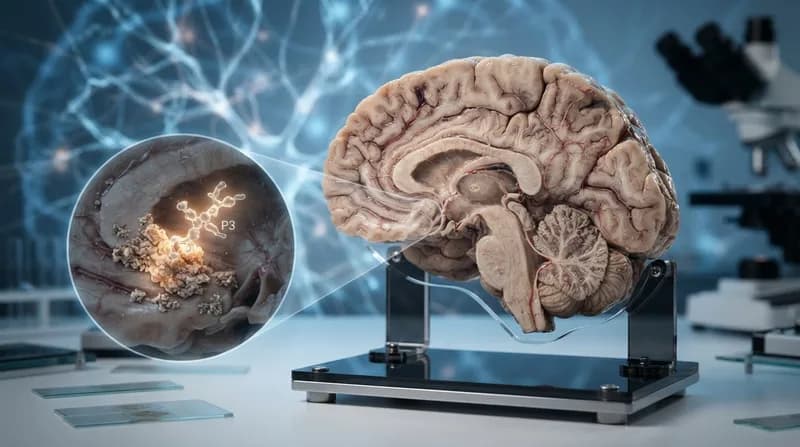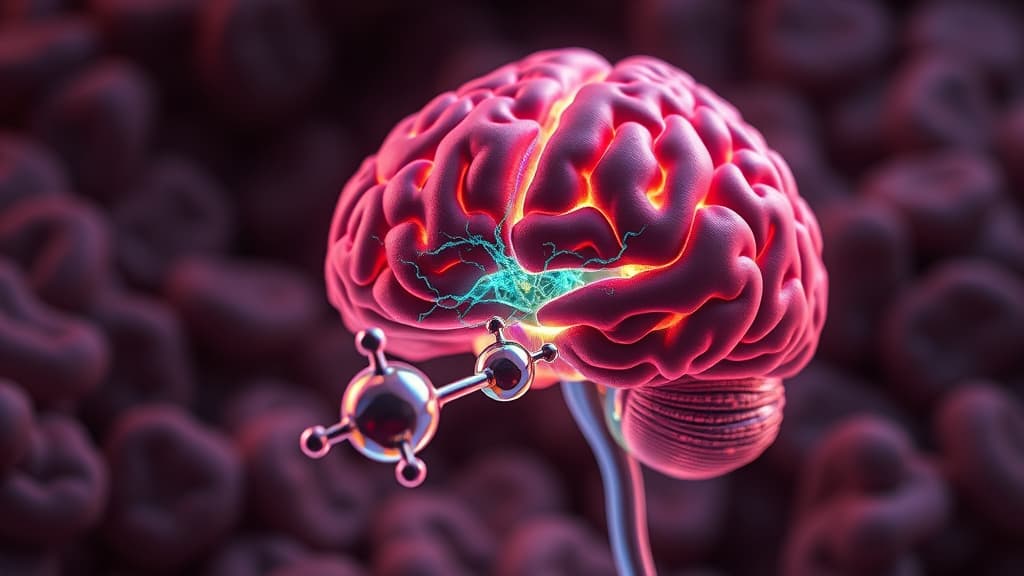
Recent studies on Ozempic and similar medications have inadvertently uncovered a previously unknown 'craving center' in the brain, which plays a significant role in our desires for food, alcohol, and other substances. This finding could revolutionize the approach to treating addiction and obesity by targeting the root of cravings.
Key Insights
The lateral septum, a region rich in GLP-1 receptors, is identified as a critical nexus between the thought of a reward and the irresistible urge to obtain it. Ozempic-like drugs, by interacting with these receptors, may significantly reduce cravings for alcohol and other addictive substances, offering a promising avenue for managing addiction and obesity.