E-BUZZ ME Logo
ScienceTechnical Deep Dive

Ovary Softening Drug Could Significantly Extend Fertility Windows

Published
Ovary Softening Drug Could Significantly Extend Fertility Windows
1 min read165 words

The Gist

New research suggests that reducing the stiffness of ovaries through medication could help older mammals conceive more easily and produce more offspring.

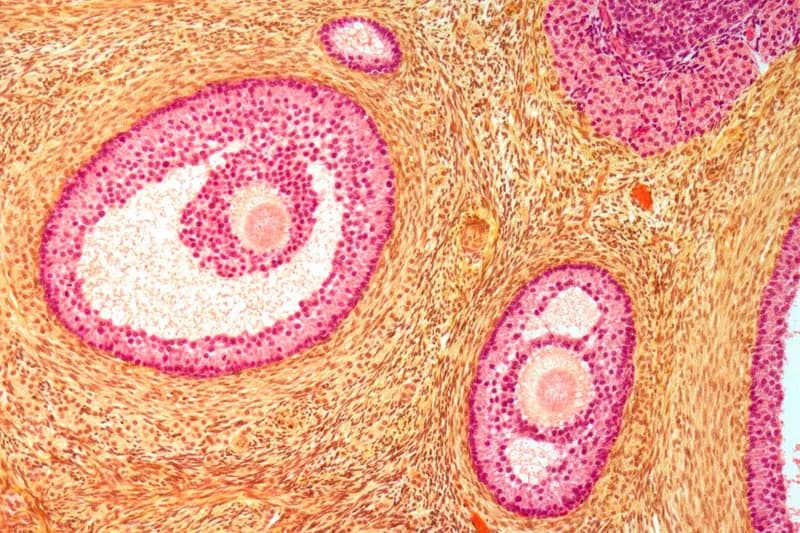
Recent scientific breakthroughs in reproductive health suggest that the key to extending female fertility may lie in the physical texture of the ovaries. Researchers have discovered that as mammals age, ovarian tissue tends to become stiffer, a factor that contributes to declining reproductive success.

The Role of Tissue Elasticity

In a series of controlled studies involving mice and rats, scientists administered a specialized drug designed to soften the ovarian environment. The results were significant: older subjects treated with the medication were able to conceive more easily compared to untreated counterparts of the same age. Furthermore, the treated animals produced a higher number of pups, indicating a restoration of reproductive vigor.

Implications for Future Research

While the study was conducted on rodents, the biological mechanism—reducing age-related fibrosis and tissue hardening—offers a promising pathway for human fertility treatments. If these findings translate to human biology, it could lead to non-invasive therapies that prolong the childbearing years and improve the success rates of natural conception for older individuals.


Related Stories

Semantically matched articles, ranked by topic overlap and freshness.

Sulfur-Based Compound Identified as Potential Breakthrough for Aging Muscle Repair
Science69%

Sulfur-Based Compound Identified as Potential Breakthrough for Aging Muscle Repair

Researchers have discovered a compound named LASSS that protects proteins essential for muscle recovery, offering hope for combating age-related muscle loss.

New Experimental Antiviral Pill Shows Promise in Halting Measles Transmission
Science67%

New Experimental Antiviral Pill Shows Promise in Halting Measles Transmission

A breakthrough antiviral treatment has successfully prevented the spread of a measles-like virus in animal trials, offering a potential new tool to contain future outbreaks.

Longevity-Linked APOE2 Gene Found to Shield Brain from Aging and Alzheimer’s
Science67%

Longevity-Linked APOE2 Gene Found to Shield Brain from Aging and Alzheimer’s

Researchers have discovered that the APOE2 gene variant protects neurons by reducing DNA damage and enhancing stress recovery, offering a potential blueprint for new Alzheimer’s therapies.

Biological Age Linked to Weight Loss Success in New Study
Science66%

Biological Age Linked to Weight Loss Success in New Study

A recent study suggests that individuals with a biological age younger than their chronological age may lose more weight when following calorie-restricted diets.

AI Aids Stanford Researchers in Discovering Natural Weight Loss Molecule
Science65%

AI Aids Stanford Researchers in Discovering Natural Weight Loss Molecule

Stanford scientists have identified a natural molecule that mimics the weight-loss effects of Ozempic with fewer side effects by targeting specific brain regions.

Self-Repairing Bio-Textiles: Scientists Create Clothing From Living Fungi
Science62%

Self-Repairing Bio-Textiles: Scientists Create Clothing From Living Fungi

Researchers have developed a revolutionary biodegradable textile using the parasitic fungus Cordyceps militaris that can clean and repair itself.

New Giant Salamander Species Identified from 3.5-Million-Year-Old Japanese Fossils
Science62%

New Giant Salamander Species Identified from 3.5-Million-Year-Old Japanese Fossils

Researchers have identified a new genus and species of giant salamander, Limnospondylus ajimuensis, from fossils originally discovered over two decades ago.

Sweden Explores Rare Earth Deposits to Challenge Global Supply Dominance
Science61%

Sweden Explores Rare Earth Deposits to Challenge Global Supply Dominance

Researchers are mapping Sweden's mineral wealth to create magnets from natural element combinations, aiming to reduce reliance on Chinese exports.