ScienceTechnical Deep Dive

New DNA-Based Therapy Achieves 50% Reduction in LDL Cholesterol

Published
EElectricBuzz Editorial Team
New DNA-Based Therapy Achieves 50% Reduction in LDL Cholesterol
3 min read499 wordsElectricBuzz Editorial Team

The Gist

Researchers have developed a novel gene-targeting treatment that uses polypurine hairpins to suppress the PCSK9 protein, effectively lowering bad cholesterol levels in animal models.

The Science of Targeting PCSK9

A collaborative research effort between the University of Barcelona and the University of Oregon has unveiled a promising new approach to cardiovascular health. By utilizing DNA-based molecules known as polypurine hairpins (PPRHs), scientists have successfully targeted the PCSK9 protein, a critical regulator of low-density lipoprotein (LDL) cholesterol. This breakthrough, published in the journal Biochemical Pharmacology, offers a potential alternative to conventional statin therapies, which are often associated with side effects like myopathies.

The PCSK9 protein naturally hampers the liver's ability to remove "bad" cholesterol from the bloodstream by reducing the number of available LDL receptors on cell surfaces. By inhibiting the expression of the PCSK9 gene, this new therapy essentially clears the path for the body's natural cholesterol-clearing mechanisms to function more efficiently, thereby lowering circulating LDL levels.

Understanding Polypurine Hairpins (PPRHs)

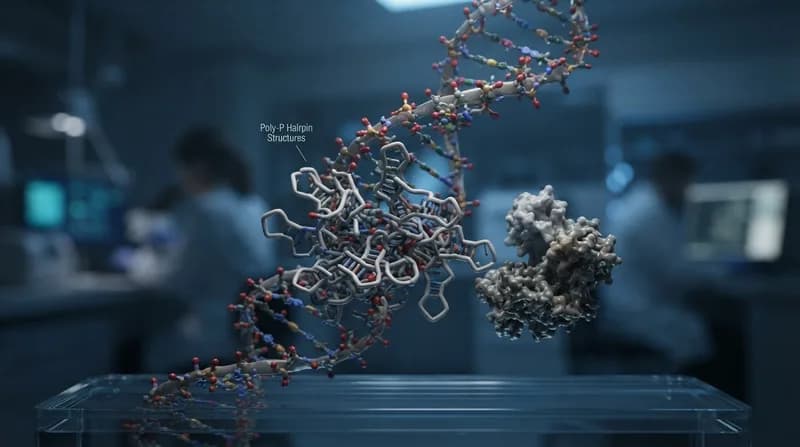
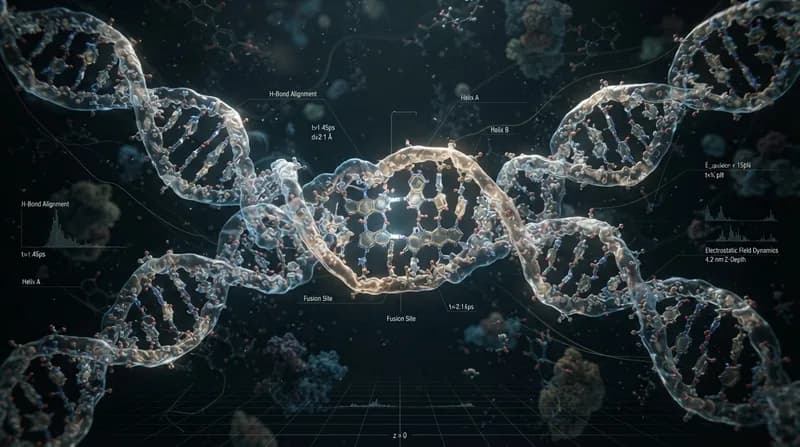
Unlike traditional small-molecule drugs or monoclonal antibodies, PPRHs are unique in their mechanism of action. These short, single-stranded DNA molecules are designed to recognize and bind with extreme precision to specific gene sequences. In this research, two variants, HpE9 and HpE12, were engineered to bind to the exons of the PCSK9 gene. Once attached via Watson-Crick bonding, they effectively disrupt gene transcription, preventing the cellular machinery from producing the protein that causes high cholesterol.

This method of gene modulation is highly specific, meaning it reduces the likelihood of off-target effects. Because these molecules are composed of DNA, they offer high stability, are relatively inexpensive to synthesize in a laboratory setting, and are expected to have a low risk of triggering an unwanted immune response in patients, setting them apart from current injectable biological therapies.

Breakthrough Performance in Trials

The research team tested the efficacy of the PPRHs in both human liver cells and transgenic mice models. The results were striking, particularly with the HpE12 molecule. Laboratory tests in human liver cells showed an 87% reduction in PCSK9 protein levels. When moved to in vivo testing with transgenic mice expressing the human PCSK9 gene, a single injection of the HpE12 treatment resulted in a 50% reduction in plasma PCSK9 and a 47% reduction in overall cholesterol levels within just three days.

Why it Matters

  • Non-Statin Alternative: Provides a new pathway for patients who struggle with statin intolerance.
  • Single-Dose Potential: Demonstrated efficacy after a single injection, which could eventually lead to more convenient administration schedules for chronic patients.
  • Efficiency: By addressing the root cause at the genetic transcription level, the treatment maximizes the liver's inherent capacity to clear LDL cholesterol.

Future Outlook and Clinical Implications

While the initial results are significant, the research team emphasizes that this is a foundational step. The transition from animal models to human clinical trials is the next essential phase to determine safety, long-term efficacy, and dosage requirements in a human biological system. Should these studies prove successful, this DNA-based intervention could represent a paradigm shift in the treatment of hypercholesterolemia and the long-term prevention of atherosclerosis, ultimately providing a powerful new tool in the fight against heart disease.

The 5 Best Over-Ear ANC Headphones of 2026, Tested & Ranked
Editor's Pick Guide
92/100
Tech & Gadgets12 min read

The 5 Best Over-Ear ANC Headphones of 2026, Tested & Ranked

We locked five over-ear ANC picks for 2026 — Sony WH-1000XM6, Bose QuietComfort Ultra 2, Soundcore Space One, Sennheiser Momentum 5, and Apple AirPods Max 2 — then stress-tested them on lab metrics, long-term owner truth, and live street prices.

Related Stories

Semantically matched articles, ranked by topic overlap and freshness.

NASA's Roman Space Telescope Set for Two Decades of Cosmic Discovery
Science

NASA's Roman Space Telescope Set for Two Decades of Cosmic Discovery

Thanks to exceptional launch precision and significant fuel savings, the Nancy Grace Roman Space Telescope is poised to more than double its mission life, potentially operating for over 22 years.

Unlocking Predictive Markers: How B Cells Could Forecast Immunotherapy-Induced Colitis
Science

Unlocking Predictive Markers: How B Cells Could Forecast Immunotherapy-Induced Colitis

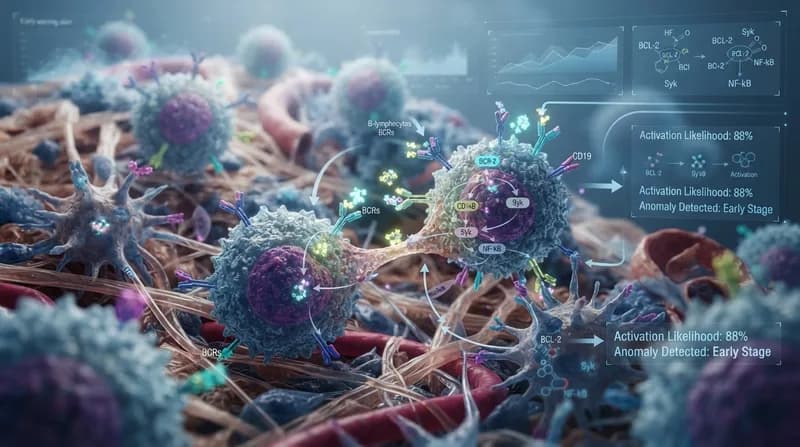
New research from MD Anderson Cancer Center suggests that B cell activity acts as a crucial early-warning system for identifying patients at risk of developing severe colitis during cancer treatment.

Could a Tiny Brain Protein Be the Master Switch for Aging?
Science

Could a Tiny Brain Protein Be the Master Switch for Aging?

Researchers have identified that declining levels of a brain protein called Menin may drive systemic aging, offering a potential new target for age-related health interventions.

Challenging Einstein: Scientists Pioneer Gravity Tests Using Exotic Muonium Atoms
Science

Challenging Einstein: Scientists Pioneer Gravity Tests Using Exotic Muonium Atoms

Researchers at ETH Zurich have developed a method to create controlled beams of muonium, potentially enabling the first-ever gravitational tests on second-generation particles.

Unlocking the Narrative: AI System Transforms Physician Notes into Actionable Medical Data
Science

Unlocking the Narrative: AI System Transforms Physician Notes into Actionable Medical Data

A groundbreaking study reveals how a new AI system can parse clinical prose at scale, converting hidden patient insights into verifiable, computer-readable data.

Caltech’s Femtosecond Breakthrough: Steering Light with Light
Science

Caltech’s Femtosecond Breakthrough: Steering Light with Light

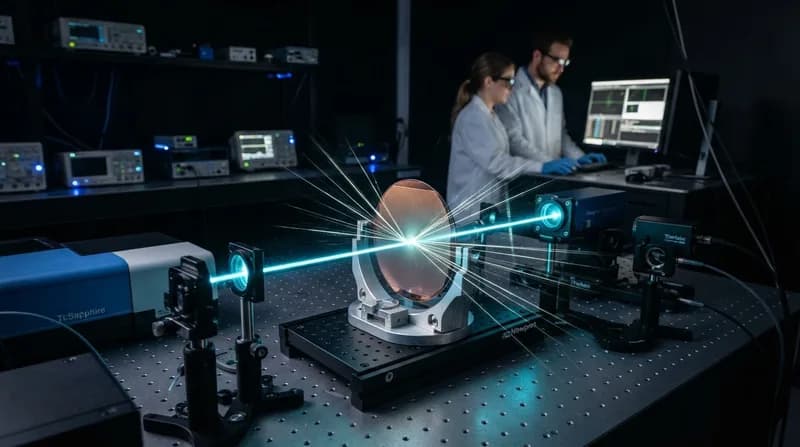
Researchers have engineered a nanoscale silicon metasurface capable of redirecting light beams in just 74 quadrillionths of a second, shattering traditional speed barriers in photonic computing.

Beyond the Starch: Why Black and Green Rice Are Emerging as Metabolic Superfoods
Science

Beyond the Starch: Why Black and Green Rice Are Emerging as Metabolic Superfoods

New research from Hokkaido University reveals that pigmented rice varieties contain unique, beneficial fats that could revolutionize dietary approaches to blood sugar management.

Biological Breakthrough: Scientists 3D-Print a Functional Human Gut-on-a-Chip
Science

Biological Breakthrough: Scientists 3D-Print a Functional Human Gut-on-a-Chip

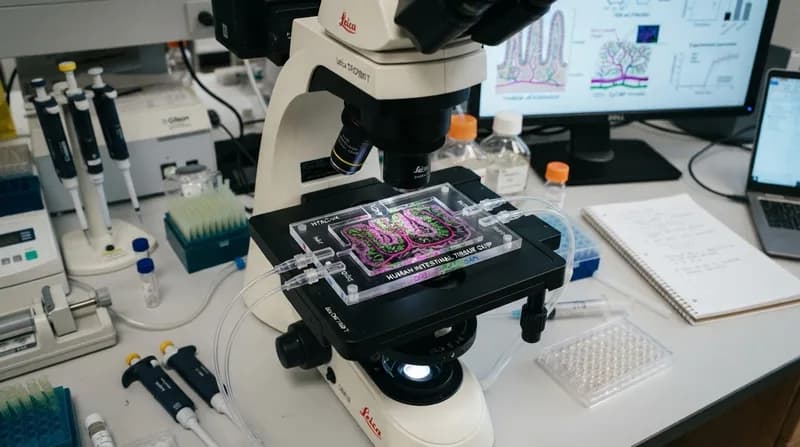
Researchers at Lawrence Livermore National Laboratory have successfully replicated the complex 3D architecture of the human small intestine on a compact, microfluidic device.