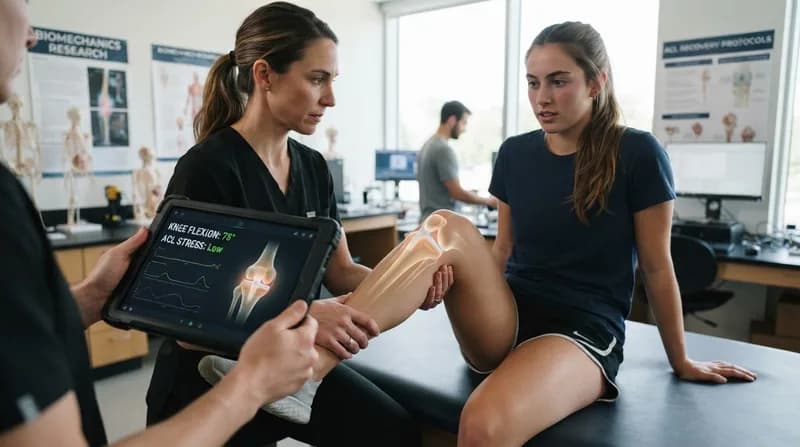
Challenging the Fears of Post-Surgical Activity
For decades, a pervasive fear has haunted the recovery rooms of orthopedic clinics: the belief that physical activity might accelerate cartilage wear in patients who have undergone anterior cruciate ligament (ACL) reconstruction. Because roughly half of all ACL patients report dissatisfaction with their knee health two years post-operation and face an elevated risk of early-onset osteoarthritis before age 40, this hesitation is understandable. However, a new clinical trial, dubbed the SUPER-Knee study, is successfully dismantling the notion that exercise is inherently detrimental to the healing joint.
Led by the Sport and Exercise Medicine Research Centre at La Trobe University, the study focused on a demographic often overlooked by standard recovery protocols: young adults between 18 and 40 who continue to experience chronic symptoms one to three years after their initial surgery. The findings suggest that the path to long-term joint health isn't avoidance of movement, but rather highly structured, professional guidance.
The SUPER-Knee Trial Methodology
The study enrolled 184 participants who were still grappling with persistent pain and reduced mobility long after the standard rehabilitation window had closed. By assigning participants to a four-month program centered on progressive exercise therapy supervised by physical therapists, researchers sought to determine if muscle strengthening and guided movement could safely mitigate the risk of early-onset osteoarthritis.
The results were conclusive: patients showed marked improvements in muscle strength, significant reductions in pain, and a higher overall quality of life. Crucially, imaging and clinical assessments confirmed that this increased activity did not damage the delicate knee cartilage or exacerbate existing osteoarthritis markers. This provides clinicians with the evidence needed to move away from overly cautious recovery timelines.
Why It Matters
- Redefining Standards: The trial provides a high-quality evidence base for updating international clinical guidelines for post-ACL rehabilitation.
- Accessibility: The program requires minimal specialized equipment, meaning it can be implemented by local health professionals without significant investment in new infrastructure.
- Long-Term Health: While the study focuses on symptom management and current knee health, it offers a crucial, non-invasive intervention for a population at the highest risk for premature joint degradation.
- Patient Agency: The results empower patients to reclaim their mobility rather than settling for a lifetime of chronic pain and activity restrictions.
A Path Toward Better Clinical Outcomes
The clinical implications of the SUPER-Knee findings are extensive. By demonstrating that supervised exercise is both safe and effective for long-term recovery, the research provides a roadmap for practitioners who previously lacked evidence-based interventions for patients beyond the early post-operative phase. With the program's simplicity, it serves as a highly scalable model for sports medicine clinics globally.
Ultimately, this research bridges the gap between surgical success and functional quality of life. For the thousands of young athletes and active individuals who undergo ACL repair, this data suggests that the journey does not end at the operating table or with a standard six-month physical therapy plan; rather, it is a life-long commitment to guided, protective movement that can protect the knee for years to come.