A New Chapter for Public Transit in Pescara
The landscape of public transportation in Italy is undergoing a significant transformation. Regional operator TUA Abruzzo has officially awarded a major tender to Daimler Buses Italia and their partner, STI (Sviluppo Tecnologico Italiano), to modernize its fleet with 40 brand-new, low-floor electric city buses. This ambitious project, valued at approximately €28.04 million, marks a definitive move away from traditional diesel-powered transit in the city of Pescara.
The contract, which includes an option for eight additional units, is strategically designed to replace existing combustion-engine buses on a one-to-one basis. By focusing on high-capacity battery integration, these vehicles are engineered to handle entire daily shifts without the need for mid-shift charging. This operational efficiency is a primary driver behind the transition, ensuring that the city's commitment to modernization does not compromise the reliability or frequency of transit services.
Fleet Diversity and Infrastructure
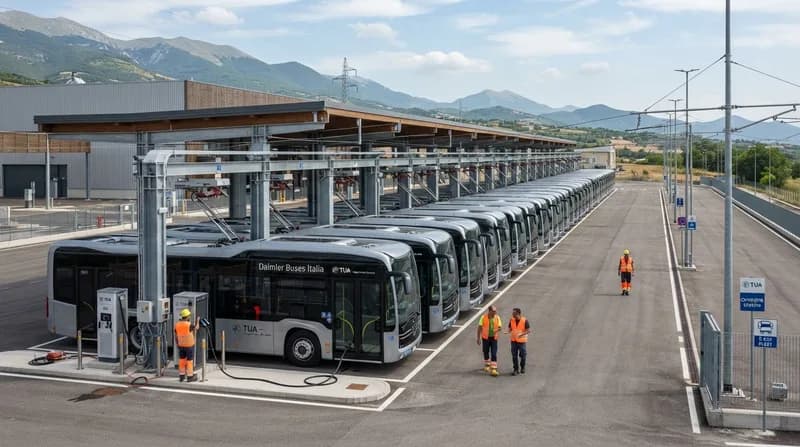
The order is split into two distinct vehicle categories to meet varying urban demands. The procurement includes 18 buses measuring 11 meters in length and 22 Class I buses measuring 12.48 meters. While specific model designations remain under wraps, the industry is closely watching how these units will integrate into the city’s existing infrastructure. Once these buses enter service between June and July 2027, Pescara will boast a total of 60 electric buses, significantly reducing the city's carbon footprint.
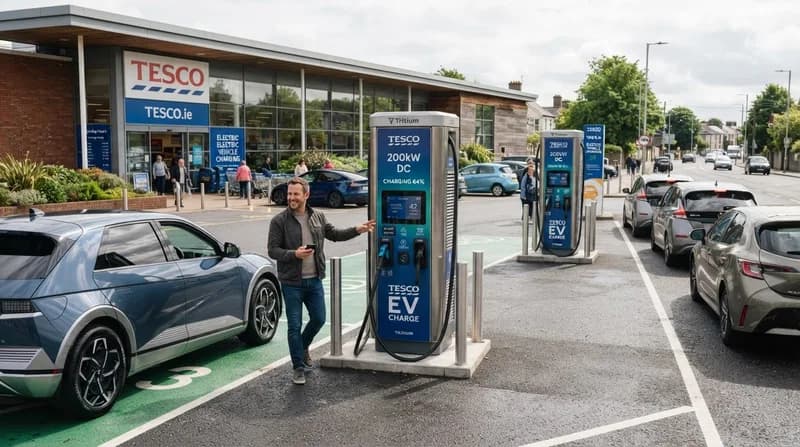
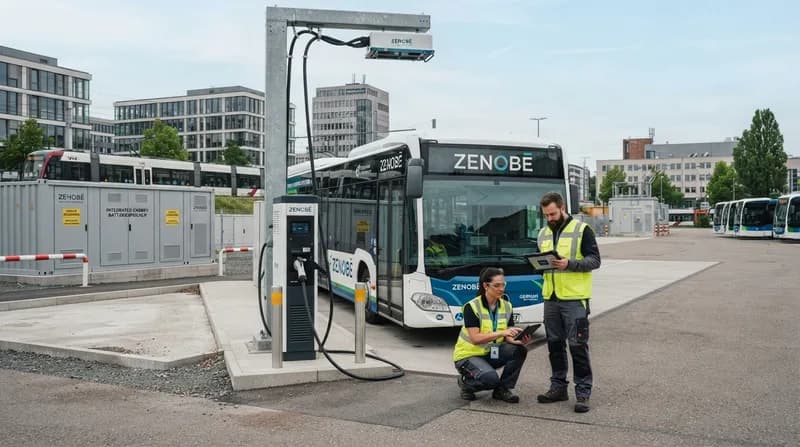
Beyond the vehicles themselves, the partnership with STI focuses on building a state-of-the-art charging hub at the Via Aterno depot. This facility will feature 24 parking spaces covered by solar canopies, which will generate clean energy to offset the charging requirements of the fleet. The infrastructure is being future-proofed with a higher grid connection capacity than initially required, allowing for seamless fleet expansion in the years to come.
Why it Matters
- Decarbonization: The initiative aligns with TUA's goal to eliminate diesel buses from urban service by 2027, favoring electric and natural gas alternatives.
- Economic Efficiency: By winning the tender at €3.92 million under the initial budget, the consortium has demonstrated a cost-effective approach to public sector fleet renewal.
- Grid Integration: The implementation of solar-powered canopies at the depot turns a simple charging station into a self-sustaining energy asset, lowering long-term operating costs for the municipality.
Projected Outlook and Implementation
The timeline for this transition is rapid. Following an initial 45-day planning phase, the construction of the charging infrastructure at the Via Aterno site is slated to take roughly 180 days. If the project remains on schedule, the depot will be fully operational by May 2027, perfectly timing the arrival of the new bus fleet. This move represents a robust commitment from the Abruzzo region and the city of Pescara to leverage European Regional Development funds for a cleaner, quieter, and more efficient public transportation model.