The Secret Language of Gut Health
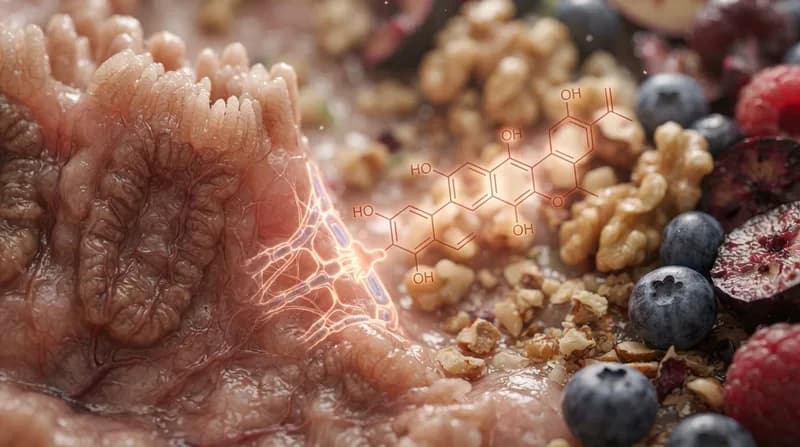
A breakthrough in gastroenterology research, conducted by a team at the University of Louisville, has identified a unique biological mechanism that could redefine how we treat chronic intestinal conditions. The study highlights the role of Urolithin A (UroA), a compound naturally generated by gut microbes when they process specific dietary items, including pomegranates, walnuts, and various berries. Far from being just a byproduct of digestion, UroA appears to act as a precision signal that activates a protective, restorative system within the gut lining.
For patients suffering from inflammatory bowel diseases (IBD) like Crohn’s disease and ulcerative colitis, the intestinal barrier often loses its integrity, leading to persistent inflammation and systemic damage. This new research suggests that by tapping into the body's existing biological defenses, we may be able to facilitate self-repair, offering a potentially transformative alternative to traditional, broadly acting immunosuppressive medications.
Rewriting the Inflammatory Narrative
The core of this discovery lies in the aryl hydrocarbon receptor (AHR), a protein that acts as an environmental sensor within our cells. While previous research often associated AHR activation with negative health outcomes—particularly when triggered by toxins—this new study clarifies that the outcome depends heavily on the intensity and location of the activation. When UroA engages the AHR in intestinal epithelial cells, it initiates a pathway that repurposes the NLRP6 inflammasome.
Typically known for driving inflammation, the inflammasome serves a vastly different, protective function in this specific context. By activating it through UroA, the study showed that the intestine can effectively bolster its own mucus production, strengthen antimicrobial defenses, and repair damaged epithelial tissue. This fundamental shift shows that inflammatory pathways, when modulated correctly, are not always enemies of health but can be harnessed to maintain homeostasis.
Why It Matters: A Shift in Treatment Strategy
- Targeted Intervention: Current IBD treatments often suppress the entire immune system, leaving patients vulnerable. This discovery points toward therapies that specifically target gut cell pathways without systemic compromise.
- Harnessing the Microbiome: The findings underscore the critical importance of the gut microbiome in bridging the gap between our diet and our immune system's structural integrity.
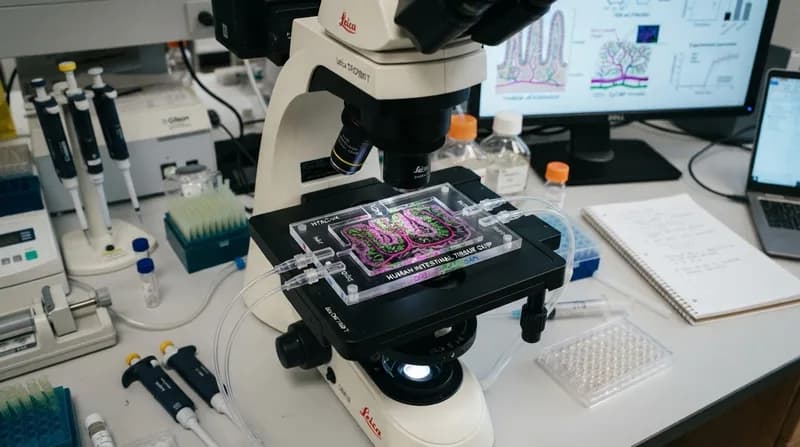
- Clinical Potential: Validated through human tissue samples and organoid models, the mechanism provides a concrete blueprint for new therapeutic development in gastrointestinal medicine.
The Future of Digestive Therapy
The research team, led by Venkatakrishna Rao Jala, successfully demonstrated this mechanism across multiple experimental models, confirming that human IBD tissue responds to UroA exactly as the initial trials predicted. This consistency is a major indicator that the pathway is not just a theoretical observation but a viable target for medical intervention. By focusing on restoring the barrier's integrity rather than simply dampening the immune system’s reaction to it, the next generation of IBD treatments could offer more sustainable relief for the millions of people living with chronic digestive disorders.
As the scientific community continues to explore how diet influences cellular signaling, this study serves as a milestone in personalized nutrition and pharmacology. It moves us away from a 'one-size-fits-all' approach and toward a sophisticated understanding of how specific metabolites work in harmony with our body’s internal sensors to promote long-term healing.