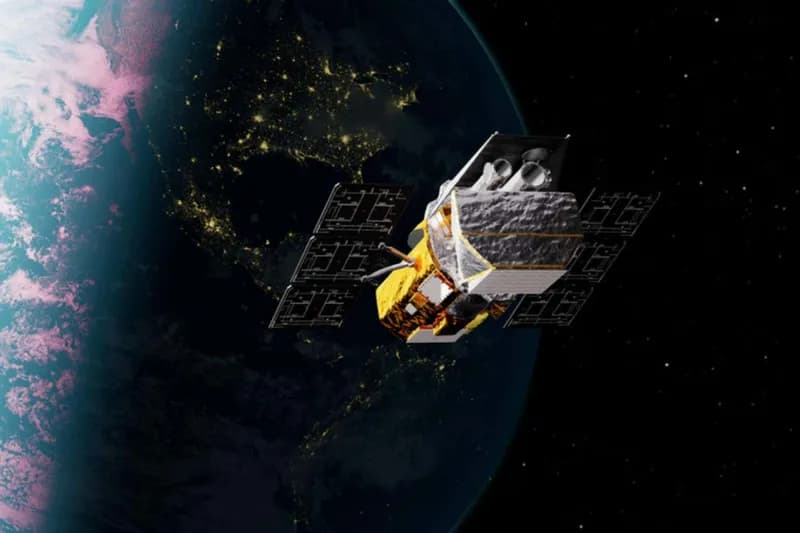
NASA’s Neil Gehrels Swift Observatory, a cornerstone of high-energy astrophysics for over two decades, is currently the subject of a high-stakes rescue operation. On July 3, 2026, a specialized satellite named LINK launched successfully to intercept the telescope and prevent its imminent reentry into Earth's atmosphere.
A Race Against Orbital Decay
Since its launch in 2004, Swift has seen its orbit drop from 600 kilometers to approximately 375 kilometers. This decay was accelerated by recent intense solar flares, which expanded the Earth's atmosphere and increased drag on the spacecraft. Without intervention, the telescope was predicted to drop back to Earth within months.
The LINK Mission
The rescue is being spearheaded by Katalyst Space Technologies, an Arizona-based startup. Their LINK satellite, equipped with three robotic arms, is designed to grapple the Swift observatory—which was never intended for orbital servicing. Following a series of tests, LINK will spend two months pushing Swift back to its original 600-kilometer altitude.
A New Blueprint for Space Maintenance
If successful, the mission will not only grant Swift another decade of operation to study gamma-ray bursts and black holes but also prove the viability of cost-effective satellite servicing. This demonstration is particularly relevant for other aging assets, such as the Hubble Space Telescope, which faces similar orbital challenges in the 2030s.