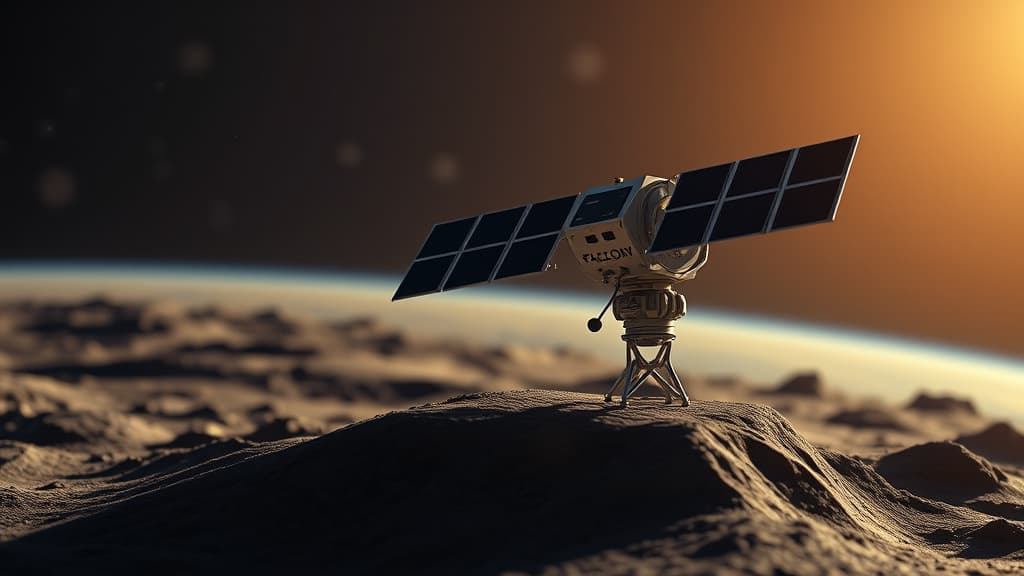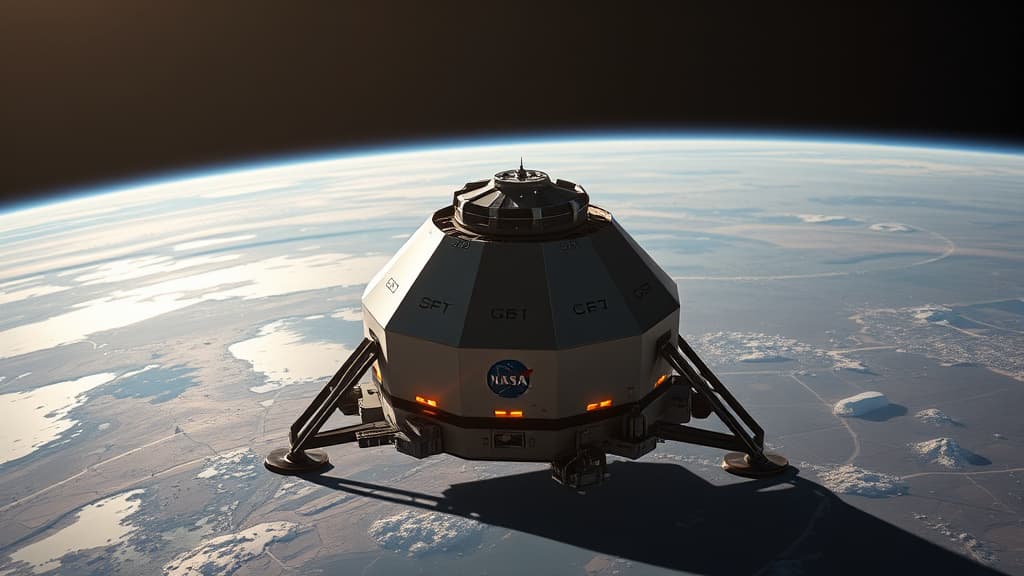
NASA has successfully tested the FALCON system, marking a significant advancement in autonomous satellite navigation. FALCON, which stands for Fast Autonomous Lost-in-space Catalog-based Optical Navigation, allows spacecraft to determine their orbital positions independently, utilizing nearby spacecraft and debris for reference instead of relying on GPS.
During a recent three-day mission, the FALCON system demonstrated its ability to autonomously refine the orbital trajectories of over 200 space objects. This improvement in orbital estimates showcases the system's potential to enhance existing catalog data without any ground intervention.
Key Features of FALCON
- Autonomous navigation using onboard star tracking and observations of nearby objects.
- Significantly improves orbital data for space objects within three days.
- Essential for future missions where GPS signals are limited, including lunar swarms and human exploration.
- Developed with EraDrive, featuring advanced algorithms and sensors for tracking space debris.
- Tested onboard NASA's Starling mission launched in 2023.
This technology is particularly crucial for future space missions where global positioning signals may be unreliable or entirely absent. As space exploration pushes further beyond Earth, innovative navigation systems like FALCON are essential.
The successful testing of FALCON not only paves the way for improved traffic management in orbit but also aids in collision avoidance by enhancing the situational awareness of satellites. It represents a fundamental shift in how navigation might be approached in space, enabling a new era of autonomous operations.
For more details, visit the original article on Science Daily.