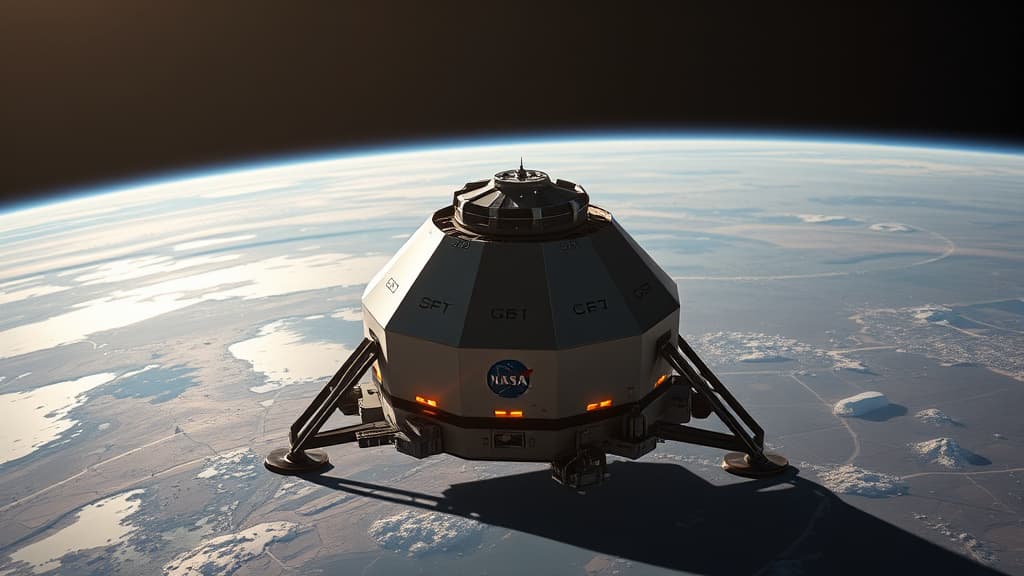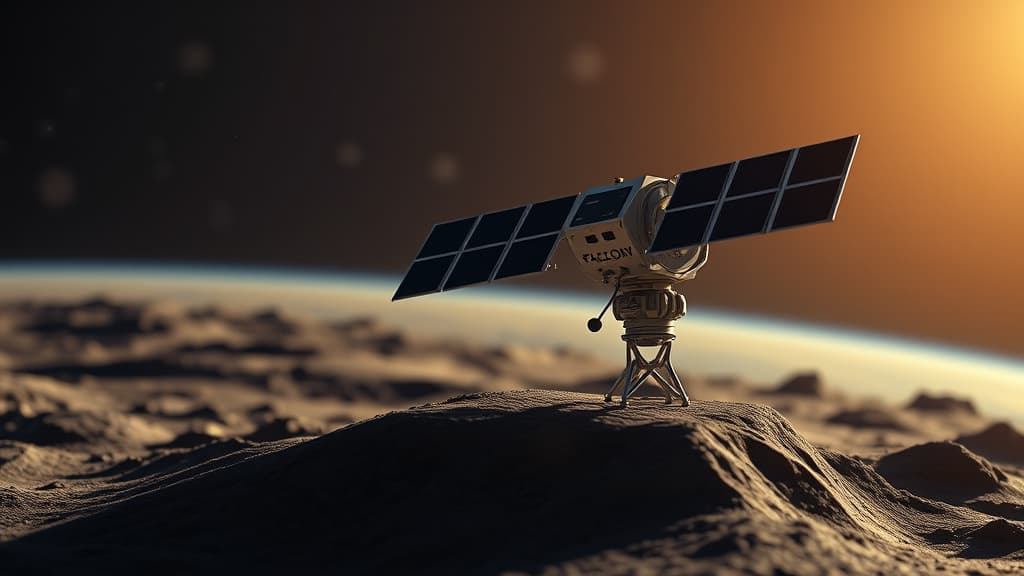
NASA has achieved a significant milestone in satellite navigation by successfully testing its FALCON (Fast Autonomous Lost-in-space Catalog-based Optical Navigation) system. This innovative technology allows satellites to navigate independently without relying on GPS, using other objects in space as reference points.
The FALCON system utilizes onboard cameras designed to identify and track more than 20,000 known space objects, which enhances autonomous navigation capabilities. In an impressive demonstration, the technology refined the orbits of over 200 space objects within just three days, showcasing superior precision compared to existing catalog data.
Key Facts
- Technology: FALCON enables GPS-free navigation for satellites.
- Performance: Improved orbits of 200+ space objects within three days.
- Collaboration: Developed with EraDrive, integrating advanced software and hardware.
- Future Missions: Crucial for upcoming lunar and Martian missions where GPS signals may be weak or unavailable.
- Program Support: Aligns with NASA's Small Spacecraft and Distributed Systems program focused on automated navigation and collision avoidance.
This successful demonstration not only emphasizes NASA's commitment to advancing space navigation technologies but also highlights a pivotal step toward transitioning research into commercial applications. The implications of FALCON are particularly significant for future lunar and Martian explorations, where a reliable navigation system will be essential for safe operation in environments devoid of GPS signals.
NASA's efforts with the FALCON system enhance the landscape of orbital navigation, marking it as a vital component in ensuring operational safety as more satellites populate the skies.