Turning Plastic into Sustenance
In a groundbreaking intersection of biotechnology and sustainability, researchers at Southern Illinois University (SIU) Carbondale have developed a method to transform common plastic waste and agricultural debris into edible, protein-rich snacks. Dubbed µBites (pronounced "microbites"), these cookies represent a novel approach to the circular economy, essentially repurposing carbon-rich waste materials into life-sustaining nutrition. This project, which received support from NASA's Deep Space Food Challenge, aims to solve two distinct global problems simultaneously: the mounting crisis of plastic pollution and the looming threat of food insecurity.
The concept hinges on the fundamental reality that plastic, such as polyethylene terephthalate (PET) commonly found in beverage bottles, is composed of carbon. Since biological food sources are also carbon-based, the researchers sought to bridge this gap using the power of synthetic biology. By identifying and isolating the useful carbon-rich molecules locked within synthetic waste, the team found a way to input these components into a biological production system.
The Role of Engineered Yeast
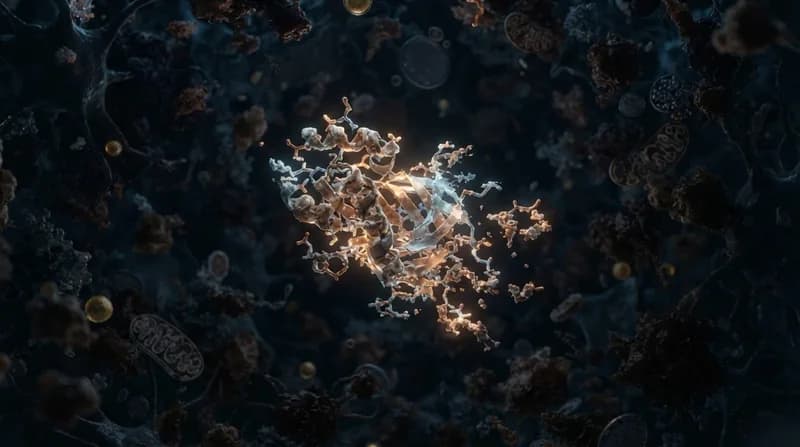
The heavy lifting of this conversion process is performed by specially programmed yeast strains. Much like the way yeast is traditionally utilized to create insulin or fermented beverages, these microbes have been genetically fine-tuned to act as tiny, efficient manufacturing plants. Before the yeast can process the raw waste, however, it must undergo a specialized pretreatment known as oxidative hydrothermal dissolution, developed by Professor Ken Anderson. This process utilizes water and oxygen under high pressure and temperature to break down resistant PET plastic and biomass into smaller, bio-accessible molecules.
Once the material is broken down into a manageable substrate, the engineered yeast consumes it and metabolizes the carbon into essential nutrients, including proteins, fats, and vitamins. The research team, led by Associate Professor Lahiru Jayakody and graduate student Sandhya Jayasekara, has even successfully programmed baker's yeast to produce complex flavorings like vanilla, as well as beta-carotene, which the human body utilizes as vitamin A. This ability to synthesize flavoring and nutrients directly from waste significantly enhances the feasibility of producing food that is not only functional but also palatable.
From Labs to Deep Space
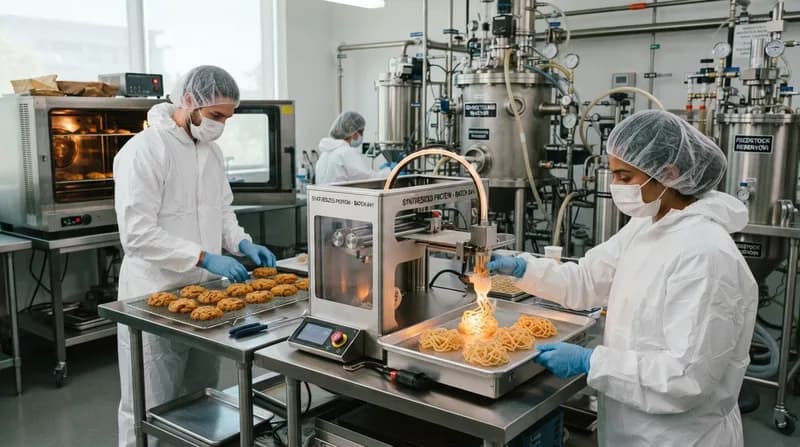
The final stage of the production cycle involves 3D printing. The yeast-derived ingredients are combined with starches, fibers, and sweeteners to create a dough that can be extruded into the form of µBites. While the researchers are currently awaiting formal regulatory and institutional approval for human consumption, preliminary assessments of the cookies—based on their aroma and composition—have been positive, particularly among groups considering their potential use in resource-constrained environments.
Why It Matters
- Space Exploration: This technology could enable long-term deep-space missions to the Moon or Mars, where resupplying food from Earth is logistically impossible.
- Sustainability: By upcycling PET plastic bottles, this method provides a high-value incentive to clean up environmental waste rather than letting it sit in landfills or oceans.
- Global Food Security: With global food demand projected to rise by up to 56% by 2050, microbially-produced food could offer an essential buffer against famine and supply chain disruptions on Earth.
Looking ahead, the team is working to expand the metabolic capabilities of their yeast strains to produce even more of the necessary cookie ingredients directly, such as the starch and sweeteners themselves. If successful, this would move the process closer to a fully self-contained system. As we look toward a future where human presence extends to extreme environments like submarines and planetary outposts, these microbial factories may prove to be one of the most critical technologies for long-term survival and environmental stewardship.