A New Link in the Triassic Record
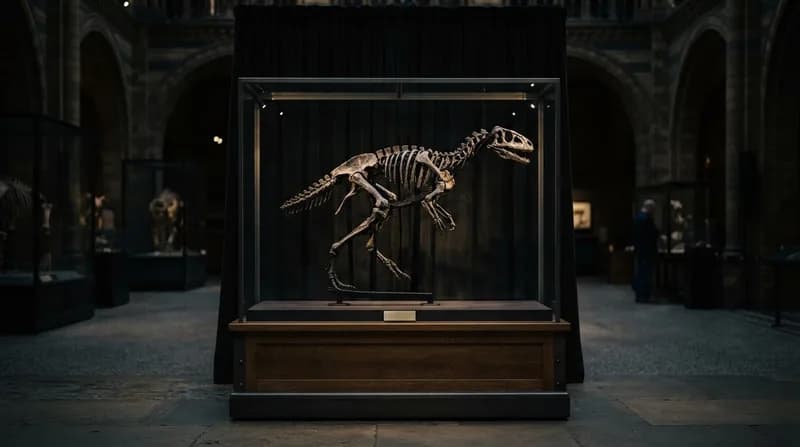
In a striking example of how modern science can breathe new life into century-old collections, researchers have identified a previously unknown prehistoric species from a fossil held in the Natural History Museum, London, for over 60 years. The specimen, a plant-eating synapsid named Dinodontosaurus isiyavamanda, lived approximately 240 million years ago during the Triassic period. Its discovery is significantly altering how paleontologists interpret the timeline of the earliest dinosaurs.
The species was identified after an international research team, led by the University of Bristol, conducted a rigorous examination of skeletons collected during a 1963 expedition to Tanzania. While synapsids—mammal-lineage vertebrates—were already well-known, this specific skeleton remained partially unexamined for decades. By comparing the Tanzanian bones with fragmentary skulls and known records from South America, the team confirmed they had discovered a distinct species. The name, isiyavamanda, honors the Wamanda people, whose ancestral lands provided the geological stage for this ancient lifeform.
Reframing the Dinosaur Timeline
The significance of Dinodontosaurus isiyavamanda extends far beyond the naming of a new creature. The rock layers in Tanzania where these fossils were found have long been considered a candidate for the world's oldest dinosaur-bearing deposits. Previously, scientists correlated these rocks with older sequences in South Africa, leading to the assumption that the dinosaur fossils found there were among the most ancient in existence.
However, the identification of the same genus of Dinodontosaurus in both Tanzania and South America provides a crucial "chronological anchor." Because modern radiometric dating has placed the South American deposits at a later date, the presence of the same animal in Tanzania suggests that the African deposits are likely millions of years younger than once thought. This effectively pushes the timeline of the "earliest" potential dinosaurs forward, suggesting that the dawn of the dinosaur age occurred later than previously believed.
The Value of Legacy Collections
This discovery underscores the immense scientific potential locked away in museum archives. Many specimens collected in the mid-20th century were never fully characterized, yet they contain the keys to resolving major evolutionary mysteries. As lead researcher Hady George noted, the ability to combine traditional paleontological study with modern high-tech tools—such as micro-CT scanning—has enabled researchers to extract data from these specimens in ways that were impossible for the original collectors.
Looking ahead, the team intends to study the remaining postcranial skeleton of the specimen to further understand the biomechanics of these massive Triassic herbivores. By deciphering how these creatures functioned and coexisted in their ecosystems, scientists hope to build a clearer picture of the world that existed millions of years before dinosaurs rose to dominate the planet. This ongoing work serves as a reminder that the history of life on Earth is not set in stone; it is constantly being rewritten by the meticulous re-examination of our past.