E-BUZZ ME Logo
ScienceTechnical Deep Dive

More Than a Gut Feeling: How Microbiomes Shape Mental Health

Published
More Than a Gut Feeling: How Microbiomes Shape Mental Health
1 min read165 words

The Gist

New research into the gut-brain axis is revealing how the microscopic inhabitants of our digestive systems play a critical role in mental well-being.

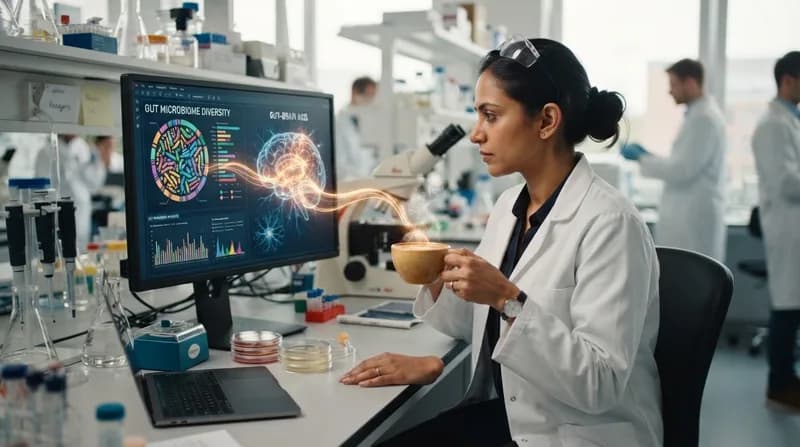
For decades, the study of mental health focused almost exclusively on the brain's internal chemistry. However, a growing body of scientific evidence is shifting the spotlight downward to the gut. The complex relationship between gut microbes and the central nervous system, often referred to as the gut-brain axis, is providing fresh insights into how we understand and treat psychological conditions.

The Biological Connection

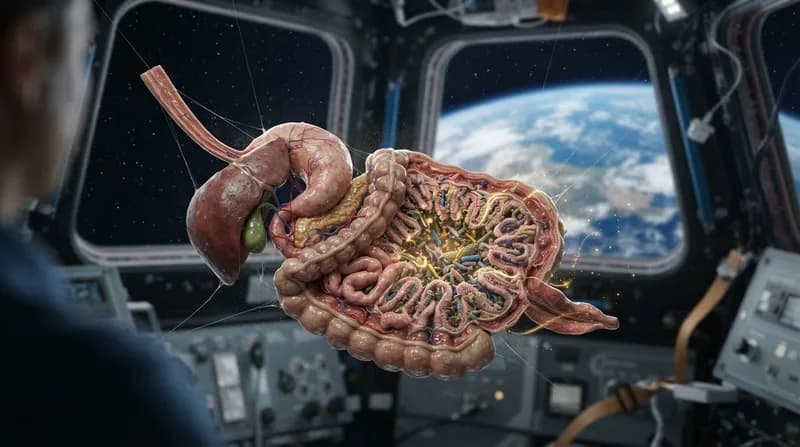
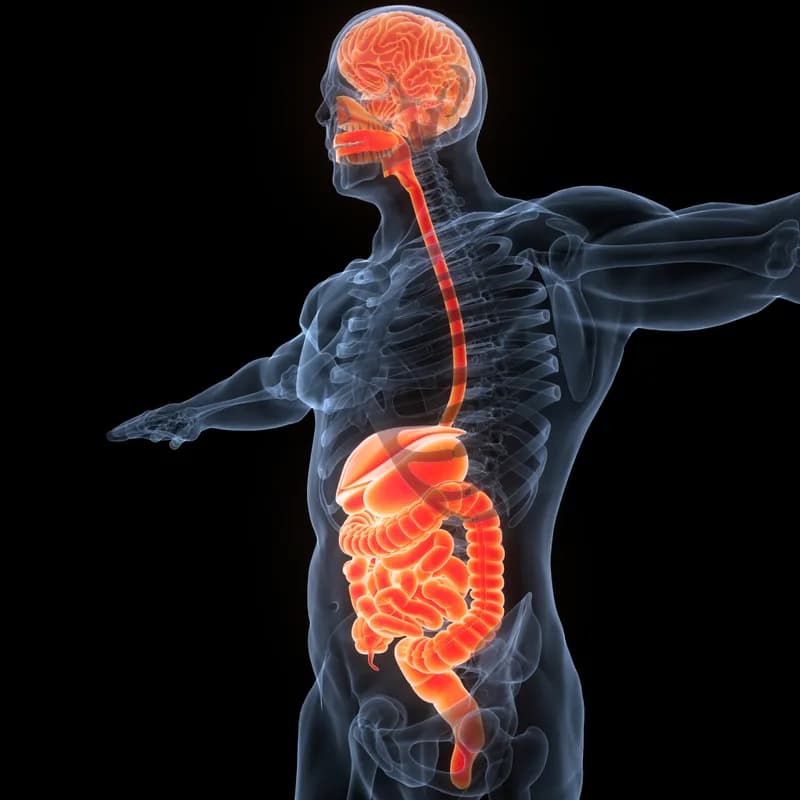
The gut is home to trillions of microorganisms that do more than just aid digestion. These microbes produce neurotransmitters, including serotonin and dopamine, which are essential for mood regulation. By communicating through the vagus nerve and the immune system, the microbiome can influence brain function and behavior.

Implications for Future Treatment

Researchers are now exploring how dietary changes, probiotics, and microbiome stability could serve as complementary treatments for anxiety, depression, and other neurological disorders. While the field is still evolving, the transition from overlooking gut health to placing it at the center of psychiatric research marks a significant milestone in modern science.

Related Stories

Semantically matched articles, ranked by topic overlap and freshness.

The Impact of Ultra-Processed Foods on Long-Term Brain Health
Science69%

The Impact of Ultra-Processed Foods on Long-Term Brain Health

New research highlights a concerning link between ultra-processed diets and increased risks of depression, anxiety, and dementia.

Innovative Treadmill Therapy Shows Promise for PTSD Recovery
Science66%

Innovative Treadmill Therapy Shows Promise for PTSD Recovery

Researchers at the University of Alberta have found that combining physical motion with memory confrontation significantly improves PTSD treatment outcomes.

Early Childhood Infections Linked to the Sibling Earnings Gap
Science64%

Early Childhood Infections Linked to the Sibling Earnings Gap

New research suggests that the lower average earnings of younger siblings may be driven by exposure to respiratory infections brought home by their older brothers and sisters.

Working Memory Rapidly Re-Prioritizes After Distractions, New Study Reveals
Science64%

Working Memory Rapidly Re-Prioritizes After Distractions, New Study Reveals

A new study highlights the brain's remarkable ability to swiftly update working memory priorities to maintain focus on immediate tasks despite frequent interruptions.

Mapping the Mind: Two Neural Pathways Explain Habit Formation
Science63%

Mapping the Mind: Two Neural Pathways Explain Habit Formation

New research identifies the specific brain mechanisms that transition deliberate actions into automatic routines, explaining why some habits feel harder to break than others.

Sparkling Water vs. Soda: New Study Evaluates Impact on Dental Health
Science62%

Sparkling Water vs. Soda: New Study Evaluates Impact on Dental Health

A recent study suggests that unsweetened sparkling water is a significantly safer choice for dental health compared to sugar-sweetened carbonated beverages.

Chinese University Probes Alleged Death in Gene-Editing Trial
Science60%

Chinese University Probes Alleged Death in Gene-Editing Trial

A Chinese university is investigating reports that a 6-year-old girl died during a gene-editing trial, an incident allegedly omitted from published research.

Genetic Factors Determine Cancer Outcomes Following DNA Damage
Science60%

Genetic Factors Determine Cancer Outcomes Following DNA Damage

New research suggests that inherited genetics play a critical role in whether DNA damage leads to cancer development.