E-BUZZ ME Logo
ScienceTechnical Deep Dive

Molecular Map Uncovers How Influenza A Hijacks Human Cells

Published
Molecular Map Uncovers How Influenza A Hijacks Human Cells
1 min read163 words

The Gist

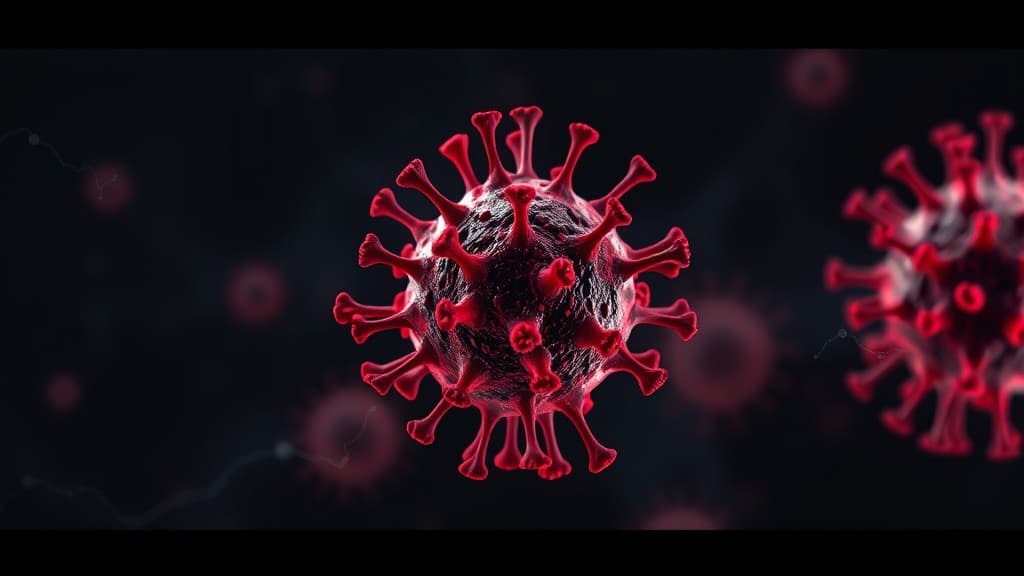
Researchers have mapped the sophisticated mechanisms influenza A uses to commandeer human cells, revealing a surprising strategy that dissolves nuclear structures to aid viral reproduction.

Scientists have developed a detailed molecular map that illustrates the precise methods by which the influenza A virus takes control of human cellular machinery. The study highlights a previously unknown strategy where the virus dissolves minute structures within the cell nucleus, subsequently releasing specific proteins that may be essential for viral replication.

New Targets for Antiviral Drugs

This breakthrough provides a clearer understanding of the viral life cycle and identifies potential vulnerabilities that could be exploited for future medical treatments. By pinpointing the exact proteins and pathways the virus manipulates, researchers hope to develop new classes of antiviral drugs that are more effective than current options.

Implications for H5N1 Research

Beyond seasonal flu, this molecular mapping is expected to be a vital tool in studying highly pathogenic strains, such as the H5N1 avian influenza. Understanding these cellular interactions at a granular level allows scientists to better predict how dangerous strains might adapt and provides a foundation for proactive defense strategies against potential pandemics.


Related Stories

Semantically matched articles, ranked by topic overlap and freshness.

Working Memory Rapidly Re-Prioritizes After Distractions, New Study Reveals
Science64%

Working Memory Rapidly Re-Prioritizes After Distractions, New Study Reveals

A new study highlights the brain's remarkable ability to swiftly update working memory priorities to maintain focus on immediate tasks despite frequent interruptions.

Early Childhood Infections Linked to the Sibling Earnings Gap
Science64%

Early Childhood Infections Linked to the Sibling Earnings Gap

New research suggests that the lower average earnings of younger siblings may be driven by exposure to respiratory infections brought home by their older brothers and sisters.

Genetic Factors Determine Cancer Outcomes Following DNA Damage
Science62%

Genetic Factors Determine Cancer Outcomes Following DNA Damage

New research suggests that inherited genetics play a critical role in whether DNA damage leads to cancer development.

Ebola Cases Surpass 3,000 in Democratic Republic of Congo Outbreak
Science60%

Ebola Cases Surpass 3,000 in Democratic Republic of Congo Outbreak

Health officials in the DR Congo report a massive surge in Ebola infections, with cases exceeding 3,000 following a rapid spike in the last 10 days.

Astronomers Detect Massive Wandering Black Hole via Stellar Destruction
Science60%

Astronomers Detect Massive Wandering Black Hole via Stellar Destruction

A supermassive black hole has been identified straying far from its galactic center after it was caught consuming a nearby star.

Mapping the Mind: Two Neural Pathways Explain Habit Formation
Science60%

Mapping the Mind: Two Neural Pathways Explain Habit Formation

New research identifies the specific brain mechanisms that transition deliberate actions into automatic routines, explaining why some habits feel harder to break than others.

Chinese University Probes Alleged Death in Gene-Editing Trial
Science59%

Chinese University Probes Alleged Death in Gene-Editing Trial

A Chinese university is investigating reports that a 6-year-old girl died during a gene-editing trial, an incident allegedly omitted from published research.

Ancient 500,000-Year-Old Elephant Bone Hammer Rewrites Early Human Toolmaking History
Science59%

Ancient 500,000-Year-Old Elephant Bone Hammer Rewrites Early Human Toolmaking History

A rare discovery in England reveals that ancient humans crafted reusable hammers from elephant bone to sharpen stone tools nearly half a million years ago.