The Hidden Role of the Brain's Glymphatic System
For decades, sickle cell disease has been primarily understood as a blood disorder. The conventional clinical focus has centered on the physical sickling of red blood cells, which leads to vascular blockages and systemic distress. However, groundbreaking research emerging from Virginia Commonwealth University (VCU) suggests that the disease's impact on the brain is far more profound—and potentially treatable—than previously imagined. By investigating the glymphatic system, a specialized network that clears metabolic waste from the brain, researchers have uncovered a new path for managing the debilitating chronic pain that often accompanies the condition.
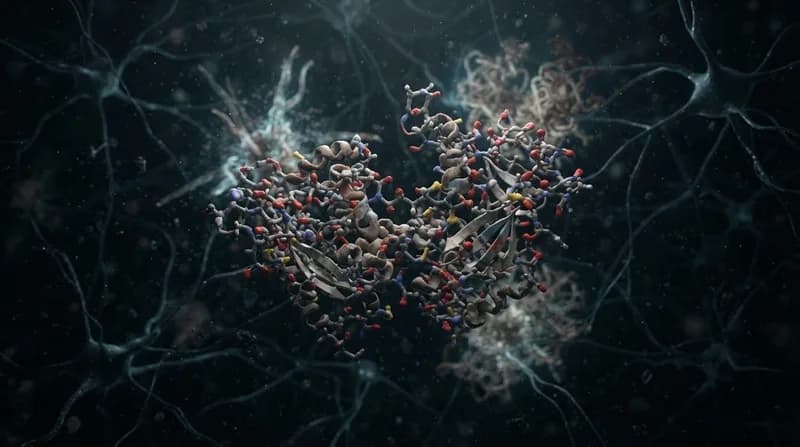
The study, led by Dr. Casey Grey, identifies a structural conflict within the brain: in patients with sickle cell disease, chronic anemia keeps cerebral blood vessels in a state of constant, abnormal dilation. These enlarged vessels appear to compress the perivascular spaces, effectively choking off the glymphatic system's ability to wash away inflammatory molecules. This buildup of cellular waste may be a primary driver of the cognitive decline and chronic pain that many patients experience, even when their blood vessels are not actively occluded.
The 40Hz Sensory Stimulation Approach
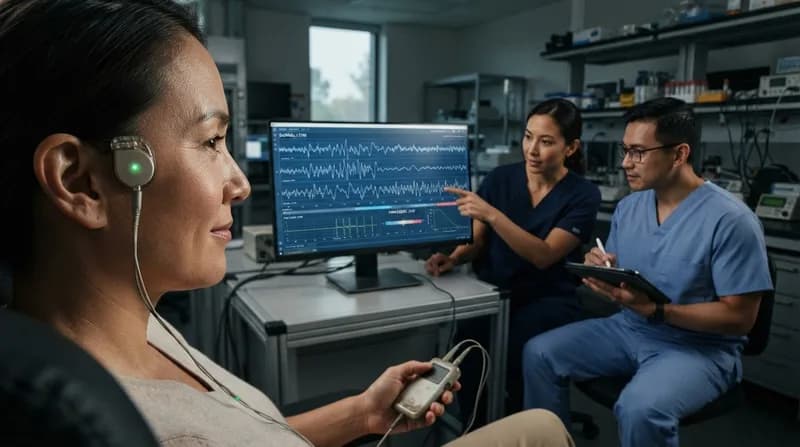
To combat this, the VCU team developed a non-invasive therapeutic approach using 40Hz gamma sensory stimulation (GSS). Utilizing custom-designed hardware that synchronizes light and sound pulses, the researchers aimed to restore healthy signaling within the brain. The logic is that consistent sensory rhythm can trigger neural mechanisms that promote vascular health and enhance fluid clearance pathways, effectively bypassing the need for invasive medical interventions or heavy pharmacological reliance.
Key Findings from the Pilot Study
- Pain Reduction: In a humanized mouse model, one hour of daily 40Hz stimulation resulted in a dramatic reduction in chronic pain behaviors.
- Normalization: After six weeks of treatment, subjects showed mechanical sensitivity and grip strength metrics comparable to healthy controls.
- Reversibility: When the stimulus was removed, the positive effects gradually faded, indicating that the therapy manages the pathological process rather than permanently altering the underlying blood disease.
- Non-Invasive Nature: The treatment utilizes inexpensive, readily available audiovisual hardware, posing a significant advantage over complex drug regimens.
Why it Matters: A New Frontier in Neurology
The implications of this research extend far beyond sickle cell disease. If the hypothesis holds—that chronically dilated blood vessels impede waste clearance—then 40Hz stimulation could eventually become a standard adjunct therapy for a variety of conditions, including sleep apnea, cardiovascular disease, and other syndromes characterized by low blood oxygen levels. The ability to "normalize" neurological responses through light and sound represents a shift toward bio-electronic, non-pharmaceutical medicine.
As the VCU team moves toward human clinical trials and pursues commercialization through VCU TechTransfer and Ventures, the focus remains on the "missing link." By pairing traditional blood-cell-focused therapies with brain-protective sensory stimulation, clinicians hope to move from merely managing crises to significantly improving the long-term quality of life for sickle cell patients. The simplicity of the hardware, combined with the depth of the biological mechanism, suggests a future where neurological wellness is supported by rhythms of light and sound.