ScienceTechnical Deep Dive

AI Agents Slash Tumor Digital Twin Development Time from Months to Minutes

Published
EElectricBuzz Editorial Team
AI Agents Slash Tumor Digital Twin Development Time from Months to Minutes
3 min read507 wordsElectricBuzz Editorial Team

The Gist

Researchers at the Barcelona Supercomputing Center have unveiled an AI-powered interface that allows biologists to generate complex cancer models through simple conversation, eliminating the need for extensive coding.

The End of Coding Bottlenecks in Oncology

For years, the creation of digital twins—highly detailed virtual replicas of tumors used to simulate drug responses and growth patterns—has been a grueling, multi-month endeavor. Historically, experimental biologists had to master complex programming languages, navigate specialized software suites, and pore over vast amounts of technical literature just to build a preliminary model. This steep barrier to entry has long limited the speed at which researchers could test hypotheses regarding cancer progression and treatment efficacy.

A breakthrough from the Barcelona Supercomputing Center (BSC-CNS) promises to flip this script. By bridging the gap between conversational AI and high-level biological modeling tools, researchers have developed a system that allows scientists to draft intricate tumor models in under 10 minutes. This advancement democratizes access to sophisticated computational biology, allowing experts to focus on the science rather than the syntax of software code.

How the New AI Orchestration Works

The innovation centers on the use of Model Context Protocol (MCP) servers. These act as specialized connectors that translate natural language prompts into actionable commands for established biological modeling software such as NeKo, MaBoSS, and PhysiCell. Instead of the user writing manual scripts, the AI agent interprets the researcher’s biological query and orchestrates the necessary background software to construct the digital twin.

By removing the requirement for deep technical coding expertise, the system acts as an intelligent intermediary. A biologist can now simply describe the specific biological parameters or cellular behavior they wish to simulate, and the AI agent manages the backend heavy lifting. The result is a significant acceleration in the prototyping phase of oncological research, enabling rapid iteration that was previously impossible.

Why it Matters

  • Democratization of Science: By lowering the barrier to entry, more researchers can utilize computational modeling without needing a background in data science or software engineering.
  • Rapid Prototyping: The shift from months-long development to 10-minute drafts allows for near-real-time experimental testing.
  • Standardization: The study addresses concerns regarding scientific reproducibility by demonstrating that iterative interaction with AI models converges on consistent, reliable, and fact-based results.
  • Open Access: The MCP servers developed by the BSC team are being released to the broader scientific community, encouraging global collaboration and further innovation in complex disease research.

Addressing Scientific Rigor and Reproducibility

A frequent critique of large language models in scientific settings is their inherent variability and potential for inconsistency. However, the researchers behind this project emphasize that the system is designed for iterative, goal-oriented interaction. Much like the peer-review process, where different scientists may arrive at the same conclusion via different paths, the AI’s responses are designed to converge on core scientific facts through persistent, structured dialogue.

As AI continues to transition from a curiosity to a foundational tool in life sciences, this work serves as a prime example of "intelligent tool orchestration." By automating the most tedious aspects of biological modeling, the Barcelona team has paved the way for a future where digital twins become a standard component of cancer research, potentially accelerating the path toward personalized medicine and more effective clinical interventions.


The 5 Best Over-Ear ANC Headphones of 2026, Tested & Ranked
Editor's Pick Guide
92/100
Tech & Gadgets12 min read

The 5 Best Over-Ear ANC Headphones of 2026, Tested & Ranked

We locked five over-ear ANC picks for 2026 — Sony WH-1000XM6, Bose QuietComfort Ultra 2, Soundcore Space One, Sennheiser Momentum 5, and Apple AirPods Max 2 — then stress-tested them on lab metrics, long-term owner truth, and live street prices.

Related Stories

Semantically matched articles, ranked by topic overlap and freshness.

Quantum Leap: New Hybrid Material Uses Voltage to Control Exciton Transport
Science

Quantum Leap: New Hybrid Material Uses Voltage to Control Exciton Transport

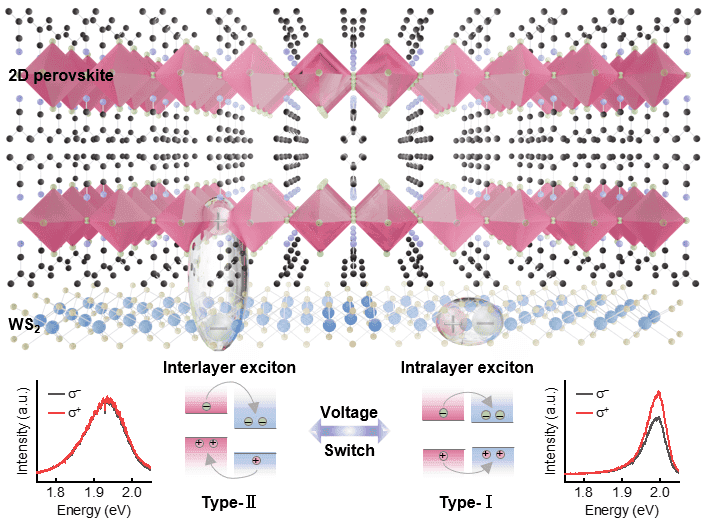
Researchers have unlocked a breakthrough in 2D material science, enabling electrical control over exciton transport and valley polarization without precise alignment constraints.

Breaking Barriers: New Research Reveals People with Dementia Are Eager to Contribute to Science
Science

Breaking Barriers: New Research Reveals People with Dementia Are Eager to Contribute to Science

A groundbreaking study challenges long-standing assumptions, revealing that individuals with dementia find research participation meaningful rather than burdensome.

New Piezoelectric Microprobe Revolutionizes Intravascular Imaging for Brain Health
Science

New Piezoelectric Microprobe Revolutionizes Intravascular Imaging for Brain Health

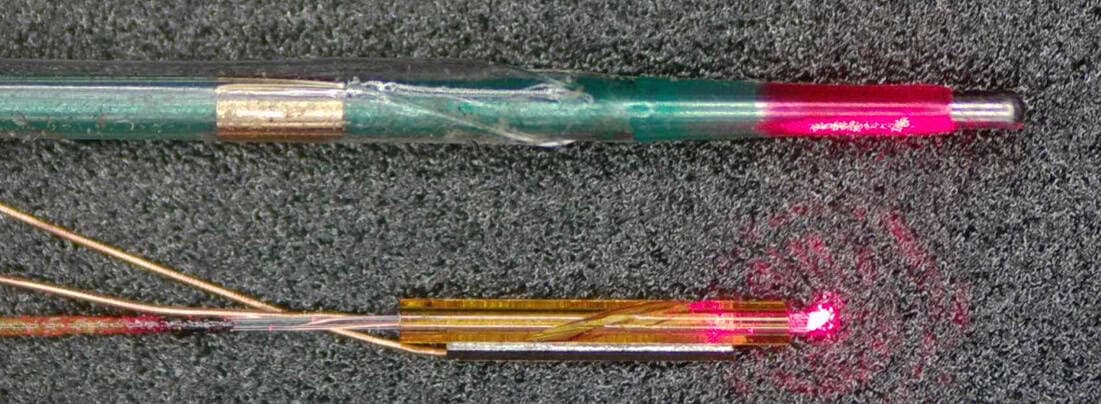
Researchers have developed a breakthrough 0.55 mm diameter microprobe capable of navigating the brain's tiny blood vessels to provide high-resolution, 360-degree diagnostic imaging.

Unlocking the Immune System: New Genetic Target Found to Reverse T-Cell Exhaustion
Science

Unlocking the Immune System: New Genetic Target Found to Reverse T-Cell Exhaustion

Researchers at St. Jude Children's Research Hospital have identified a 'master regulator' gene that suppresses immune function, offering a promising new path for cancer immunotherapy.

The Tri-Generation Breakthrough: How SMRs Could Solve Energy, Water, and Fuel Crises
Science

The Tri-Generation Breakthrough: How SMRs Could Solve Energy, Water, and Fuel Crises

A revolutionary new energy system design leverages small modular nuclear reactors to simultaneously churn out clean electricity, green hydrogen, and desalinated freshwater.

Could 40Hz Sensory Stimulation Be the Missing Link in Sickle Cell Pain Management?
Science

Could 40Hz Sensory Stimulation Be the Missing Link in Sickle Cell Pain Management?

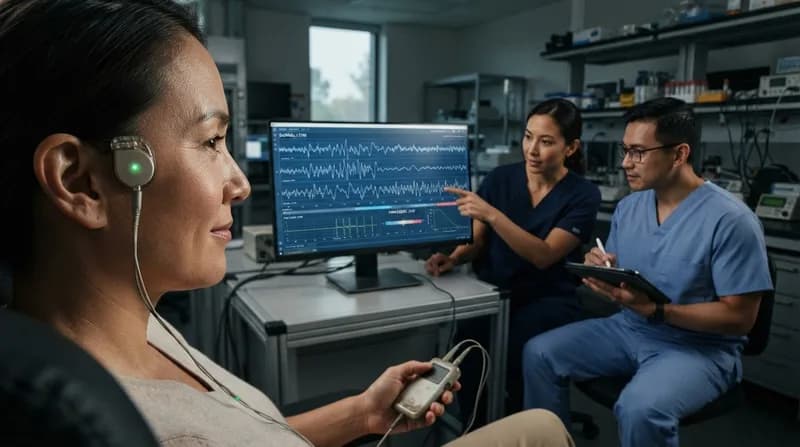
Researchers at Virginia Commonwealth University have discovered that non-invasive light and sound therapy can help clear brain waste, potentially alleviating chronic pain associated with sickle cell disease.

Thirty Meter Telescope Rejects La Palma: The High-Stakes Path Back to Mauna Kea
Science

Thirty Meter Telescope Rejects La Palma: The High-Stakes Path Back to Mauna Kea

The Thirty Meter Telescope project has officially declined a €1bn relocation offer to Spain, reaffirming its commitment to the Hawaiian summit of Mauna Kea.

A Rare Glimpse Into Whale Grief: Humpback Mother’s Extended Vigil
Science

A Rare Glimpse Into Whale Grief: Humpback Mother’s Extended Vigil

Researchers have documented a rare, poignant display of maternal mourning in humpback whales, providing new insight into the complex emotional lives of marine giants.