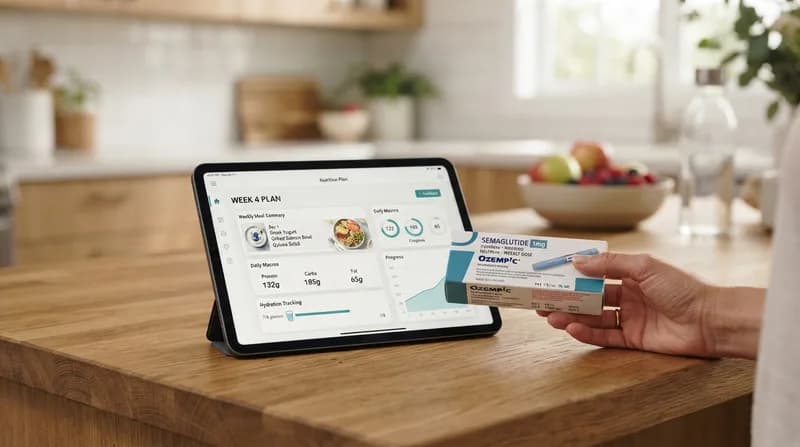
The Challenge of GLP-1 Cessation
GLP-1 receptor agonists have revolutionized the landscape of obesity treatment, offering profound clinical benefits for patients struggling with weight management. However, the medical community has long recognized a significant hurdle: the high rate of treatment discontinuation. Driven by factors such as fluctuating insurance coverage, escalating costs, potential side effects, and individual patient preferences, many users eventually stop their regimen. Unfortunately, this cessation is frequently accompanied by rapid, significant weight regain, often undoing the hard-won health improvements achieved during treatment.
A recent pilot randomized trial published in Obesity Science & Practice has shed light on a promising strategy to combat this trend. Researchers examined whether structured intervention programs could mitigate the rebound effect observed after stopping medication, shifting the focus from initial weight loss to the sustainability of long-term health outcomes.
The Pilot Study Parameters
The trial followed 39 adults who had successfully achieved weight loss through GLP-1 therapy. Upon the cessation of their medication, these participants were randomly assigned to one of three cohorts to monitor their progress over a four-month period. The study groups included a control group receiving usual care, a group utilizing a digital wellness application, and a cohort provided with medically tailored meals.
The results provided a stark contrast between those receiving support and those who did not. While participants in the control group experienced an average weight regain of approximately 10.75% of their body weight, those in the intervention groups fared significantly better. Patients utilizing the digital wellness application saw an average regain of only 3.60%, while those relying on medically tailored meals experienced a nearly identical 3.58% regain.
Why It Matters
- Health Continuity: This research highlights the necessity of “exit strategies” for patients transitioning off intensive pharmaceutical weight management.
- Bridging the Gap: Structured, evidence-based support systems can act as a crucial bridge, helping to cement lifestyle changes fostered during drug therapy.
- Scalability: The success of digital apps versus medically tailored meals suggests that accessible, scalable tools could play a vital role in preventing the metabolic volatility associated with stopping GLP-1 treatments.
Implications for Future Care
The findings emphasize that weight management is an ongoing process rather than a binary medical intervention. As noted by the study's authors, individuals dedicate substantial time and effort to achieving weight loss goals. Consequently, the medical field must shift toward providing robust, evidence-based support frameworks for those who must transition off GLP-1 drugs. By incorporating digital health platforms or structured nutritional guidance, clinicians may offer a viable pathway for patients to preserve their progress, prioritize long-term vitality, and maintain their health gains in a sustainable, patient-centered manner.