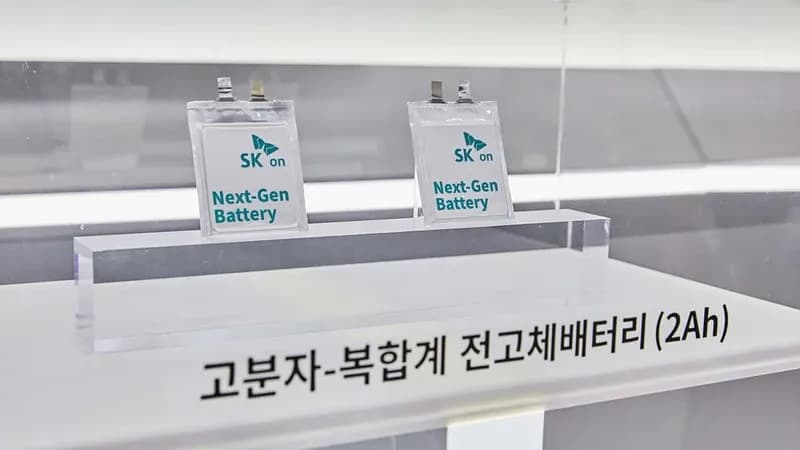
Solid-state batteries have long been hailed as the next frontier for electric vehicles, promising higher energy density and improved safety. However, a persistent technical flaw—the formation of dendrites—has consistently sabotaged their reliability. These tiny, needle-like metal spikes can grow through the solid electrolyte, eventually reaching the other electrode and causing a short-circuit.
The Pressure-Based Breakthrough
Researchers at the Massachusetts Institute of Technology (MIT) have identified a way to manage these dendrites by manipulating the mechanical stress within the battery system. Previously, it was believed that dendrites formed through an electrochemical process alone, but the MIT study reveals that mechanical pressure plays a critical role in directing their growth.
By carefully controlling the direction and magnitude of the pressure applied to the solid electrolyte, the team found they could prevent the spikes from crossing the barrier. This discovery could pave the way for more durable and efficient energy storage solutions, potentially accelerating the transition to longer-range electric vehicles.