The Shift Toward Mapless Autonomy
Mercedes-Benz is signaling a significant pivot in its autonomous driving strategy by tapping UK-based artificial intelligence startup Wayve to develop advanced, point-to-point driver-assistance technology. This collaboration marks a departure from traditional, map-heavy navigation systems. Instead, Wayve utilizes an end-to-end AI approach, often referred to as an "AI Driver," which processes road data in real-time without the requirement for high-definition (HD) maps. This shift is designed to create a more flexible and robust system capable of handling complex urban environments, similar to the capabilities marketed by Tesla's Full Self-Driving (Supervised) software.
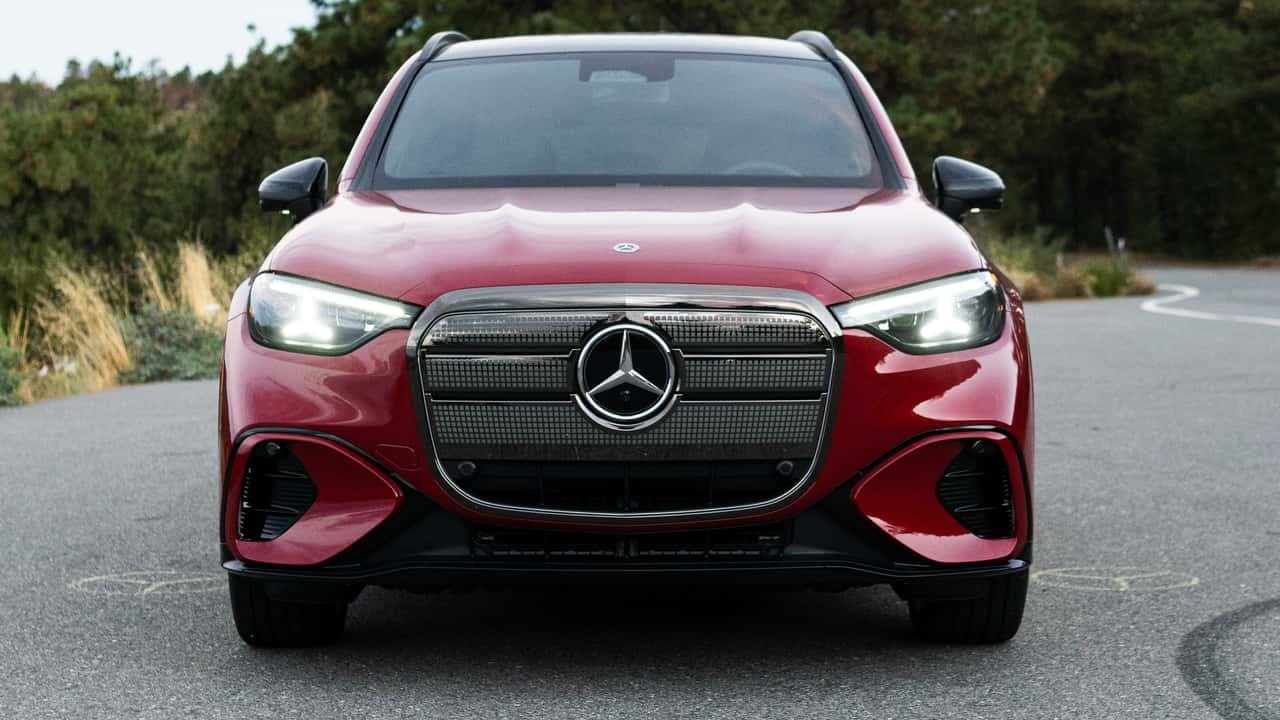
The partnership aims to integrate this technology into Mercedes-Benz vehicles within the next two years. While specifics regarding the rollout—such as the exact models, target markets, or tier of vehicle—remain under wraps, the industry sees this as a direct response to the escalating competitive pressure in the autonomous sector. By leveraging Wayve's unique machine-learning architecture, Mercedes is looking to bridge the gap between traditional luxury vehicle engineering and the software-first future of modern transportation.
Why It Matters: Bridging the Gap in Autonomous Tech
The race to achieve "Level 2++" or "Level 3" autonomy is heating up, and legacy automakers are increasingly looking to agile startups to stay relevant against pure-play tech companies. This deal is particularly noteworthy for several key reasons:
- Mapless Navigation: By moving away from HD maps, Mercedes vehicles could potentially operate in a wider variety of environments, removing the dependency on pre-scanned digital infrastructures.
- Strategic Diversification: Mercedes is already working with Nvidia on its own in-house point-to-point system, MB.Drive Assist Pro. Bringing Wayve into the fold suggests a multi-pronged software strategy to ensure the brand remains at the cutting edge of consumer-facing autonomy.
- Industry Consolidation: With Wayve already securing partnerships with major global manufacturers like Stellantis and Nissan, the startup is rapidly becoming a standard-bearer for scalable, AI-first driver assistance software.
- Capital Influence: As an investor in Wayve, Mercedes-Benz is not just a customer but a stakeholder, indicating a long-term commitment to integrating Wayve's core intelligence into their future product roadmap.
The Competitive Landscape
The automotive industry is currently in a state of rapid flux, with every major manufacturer scrambling to develop or source reliable, high-capability driver-assistance software. Mercedes-Benz has a rich history in this space, having pioneered radar-based cruise control with its Distronic system in the late 1990s and, more recently, launching the sophisticated Drive Pilot system, which holds the distinction of being the first Level 3 system in the United States to allow hands- and eyes-free operation on specific highways.
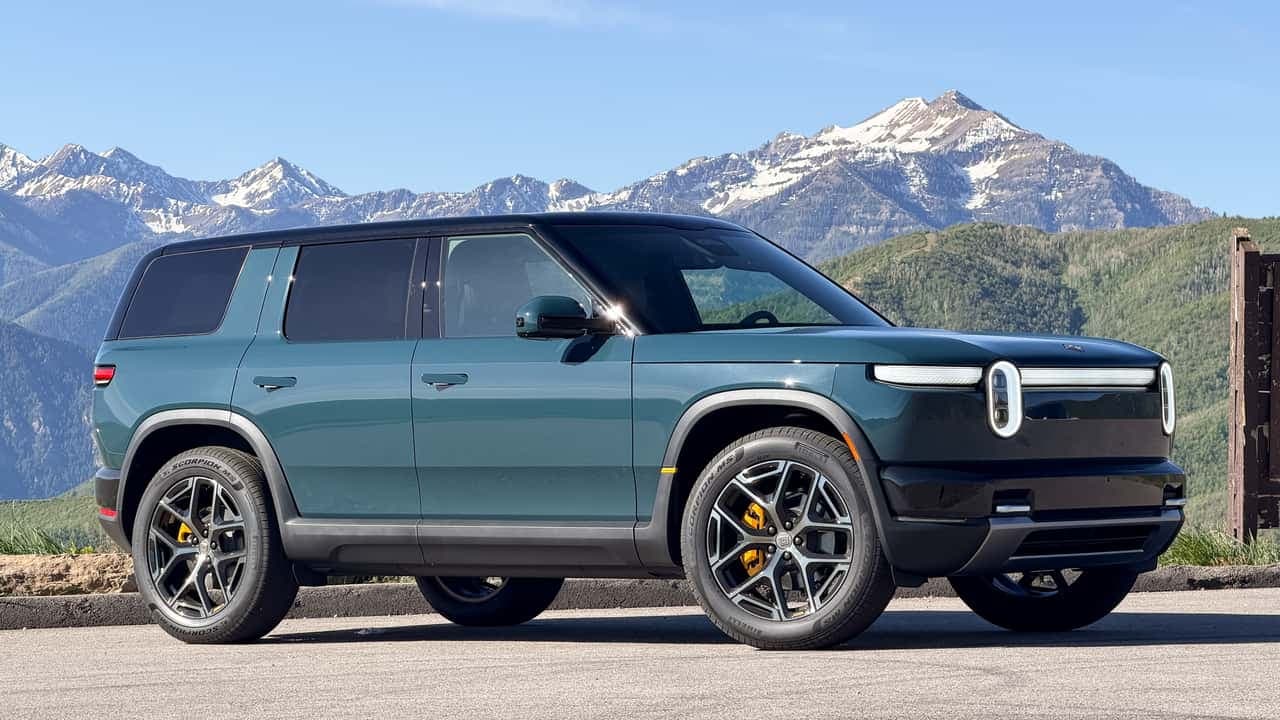
However, the current market trend is shifting toward point-to-point urban capability, where the vehicle manages everything from traffic signals to pedestrian navigation. With players like Rivian, Lucid, Toyota, and Hyundai all racing to deploy their own variations of AI-assisted driving, the partnership with Wayve gives Mercedes a potent tool to potentially leapfrog competitors. By integrating deep-learning models that can interpret the driving environment rather than simply following set rules, the brand hopes to deliver a driving experience that feels both intuitive and secure for the average consumer.