Proposed Changes to the French Eco-Score
The French Ministry of Ecological Transition has officially opened a public consultation period to address the evolving landscape of electric vehicle (EV) subsidies. Since late 2023, France has tied financial incentives to an environmental score, which evaluates the carbon footprint generated during a vehicle’s entire manufacturing and transportation lifecycle. This policy has effectively acted as a gatekeeper, favoring vehicles with lower production emissions and shorter supply chains, often sidelining models manufactured in regions reliant on coal-heavy energy grids.
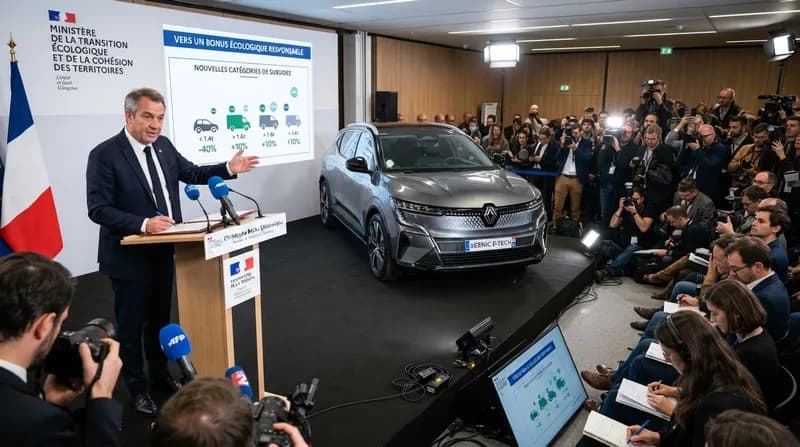
As the market shifts, the government is looking to refine how these scores are calculated and categorized. The current system relies on a dual-category approach that fails to capture the diversity of the modern EV fleet, as the vast majority of vehicles are currently bunched into a single, broad classification. By introducing a more granular structure, French regulators hope to encourage better environmental performance across all vehicle segments.
The New Three-Tiered Structure
The core of the proposal involves the creation of a third vehicle category specifically targeting larger electric models. Under the draft guidelines, this new category would include vehicles offering at least seven seats, a minimum boot capacity of 410 liters, and a substantial electric range of 550 kilometers or more. The government intends to allow these larger vehicles to maintain the current CO2-equivalent threshold of 21,000 kg for eligibility, acknowledging the higher material usage inherent in building larger cars.
Conversely, the existing category for standard five-seaters is set for a significant adjustment. The draft proposal suggests lowering the maximum allowable CO2-equivalent threshold from 21,000 kg to 19,300 kg. This effectively raises the bar for manufacturers, forcing them to optimize their supply chains and production processes if they wish to keep their mid-size models eligible for state-backed financial aid. Industry analysts suggest this move could disqualify several popular models that currently enjoy subsidy status, signaling a pivot toward more aggressive environmental mandates.
Why It Matters
- Supply Chain Pressure: By tightening the CO2 limits, France is forcing automotive manufacturers to prioritize decarbonizing their global battery and assembly supply chains.
- Market Realignment: The introduction of a dedicated seven-seater category provides a clearer regulatory path for larger family-oriented EVs while simultaneously protecting the subsidy pool from being drained by less efficient mid-size vehicles.
- Long-Term Policy Impact: If implemented, this shift will likely influence European procurement trends, as automakers may redesign vehicle components or re-source materials to meet these stricter French standards.
The consultation period remains open until October 7, and the final decision will determine which models remain competitive in the French market. While the proposal aims to promote greener manufacturing, stakeholders are watching closely to see if the tighter limits create a barrier to entry that might impact the overall adoption rate of electric vehicles in the region.