Expanding the African E-Mobility Ecosystem
In a significant move to accelerate the adoption of electric transit in Africa, Chinese manufacturing powerhouse Yadea has announced a strategic partnership with Spiro, a dominant player in the continent's electric vehicle and battery-swapping network. This collaboration is set to reshape the landscape of urban mobility, particularly for the vital motorcycle taxi sector, commonly referred to as 'Boda Bodas.'
By combining Yadea’s massive manufacturing scale—boasting over 100 million vehicles sold worldwide—with Spiro’s established operational footprint, the partnership aims to bridge the gap between high-tech EV hardware and the practical requirements of African road infrastructure. The collaboration is not merely about importing existing models; it encompasses a commitment to jointly engineer platforms specifically tailored for local terrain and heavy-duty commercial use.
Spiro’s Growing Infrastructure
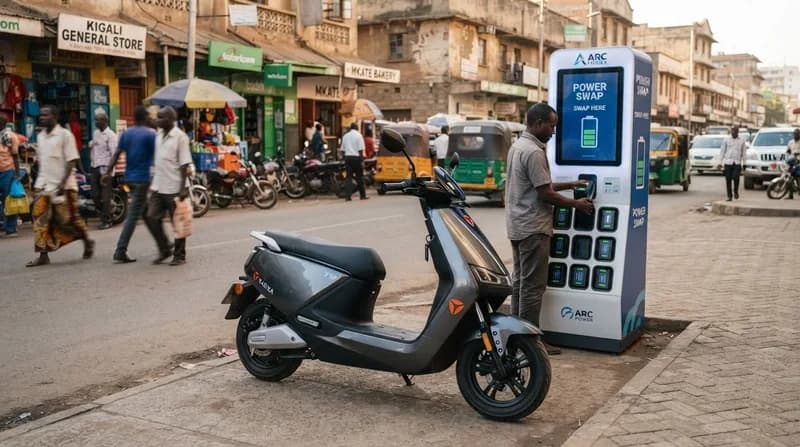
Spiro has rapidly become a central pillar of the African e-mobility transition. With operations spanning seven countries, including Nigeria, Kenya, Uganda, and Rwanda, the company has already deployed more than 100,000 electric vehicles and maintains a robust network of 2,500 battery-swap stations. This infrastructure is the backbone of their business model, allowing riders to bypass long charging times by swapping depleted batteries for fully charged units in seconds.
The company’s growth is fueled by aggressive financial backing. Following a successful $215 million funding round earlier this year, a subsequent injection of $55 million from NewTrails Capital brought their total recent capital raise to $270 million. This financial runway positions Spiro to aggressively integrate Yadea’s forthcoming specialized hardware into their existing swap-station network.
Why It Matters
- Commercial Viability: Focusing on Boda Bodas addresses a high-frequency transit market, proving that EVs can be more cost-effective and reliable than internal combustion counterparts in the commercial sector.
- Infrastructure First: By pairing Yadea’s hardware with Spiro’s proven battery-swap ecosystem, the partners effectively mitigate 'range anxiety' and downtime for professional riders.
- Localized Engineering: The commitment to co-developing platforms ensures that the vehicles are robust enough to handle the specific climate, road conditions, and utility requirements of the African market, rather than utilizing 'one-size-fits-all' global designs.
While the partners have yet to release specific production volumes or a granular roadmap, the move signals a maturation phase for the African electric two-wheeler market. As institutional investment continues to flow into companies like Spiro, and global manufacturers like Yadea look to localize their product development, the transition toward a cleaner, electrified transportation grid across the continent appears to be accelerating at pace.