Closing the Loop on EV Production
The electric vehicle industry has long viewed the battery as both its greatest asset and its most significant logistical hurdle. As GM scales its Ultium platform, the company is successfully implementing a "closed-loop" manufacturing system that breathes new life into end-of-life battery cells. By partnering with specialist recycler Cirba Solutions, GM has moved beyond experimental test benches and is now placing batteries containing recycled nickel, cobalt, and manganese directly into production vehicles that are rolling off the assembly line today.
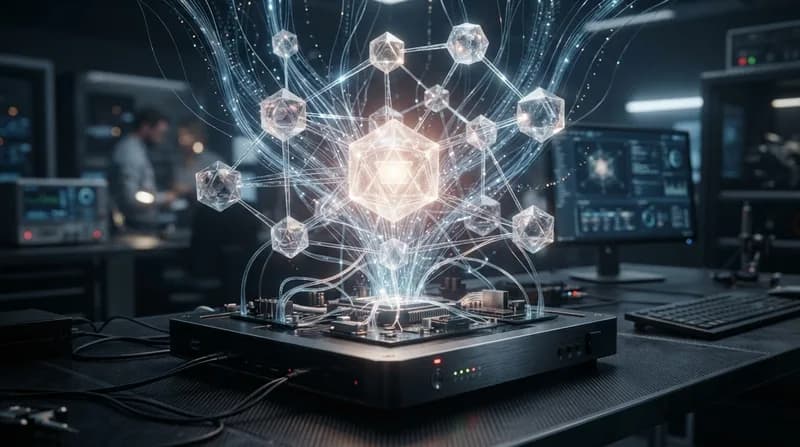
This initiative isn't merely an environmental gesture; it is a strategic shift in supply chain management. When an EV battery reaches the end of its road, it is broken down into a substance known as "black mass." Through advanced chemical processing, this material is refined into new cathode active material. The resulting cells have been validated to meet the same rigorous performance, safety, and durability standards as those forged from virgin raw materials, proving that circularity does not require a trade-off in quality or range.
The Tech Behind the Recovery
The efficiency of this recycling process is remarkably high, marking a substantial step forward for the automotive sector. Depending on the specific chemistry and methodology utilized, GM reports that it can recover up to 95% of the nickel, cobalt, and manganese from an old pack, while achieving an 80% recovery rate for lithium. This high yield significantly mitigates the reliance on environmentally taxing mineral extraction and mining operations.
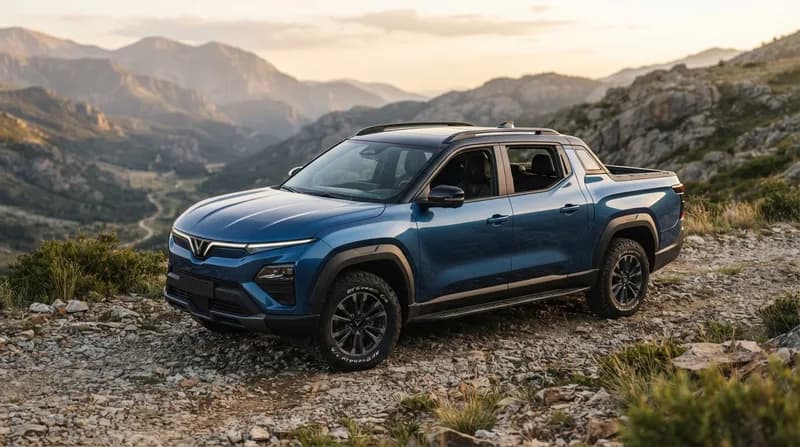
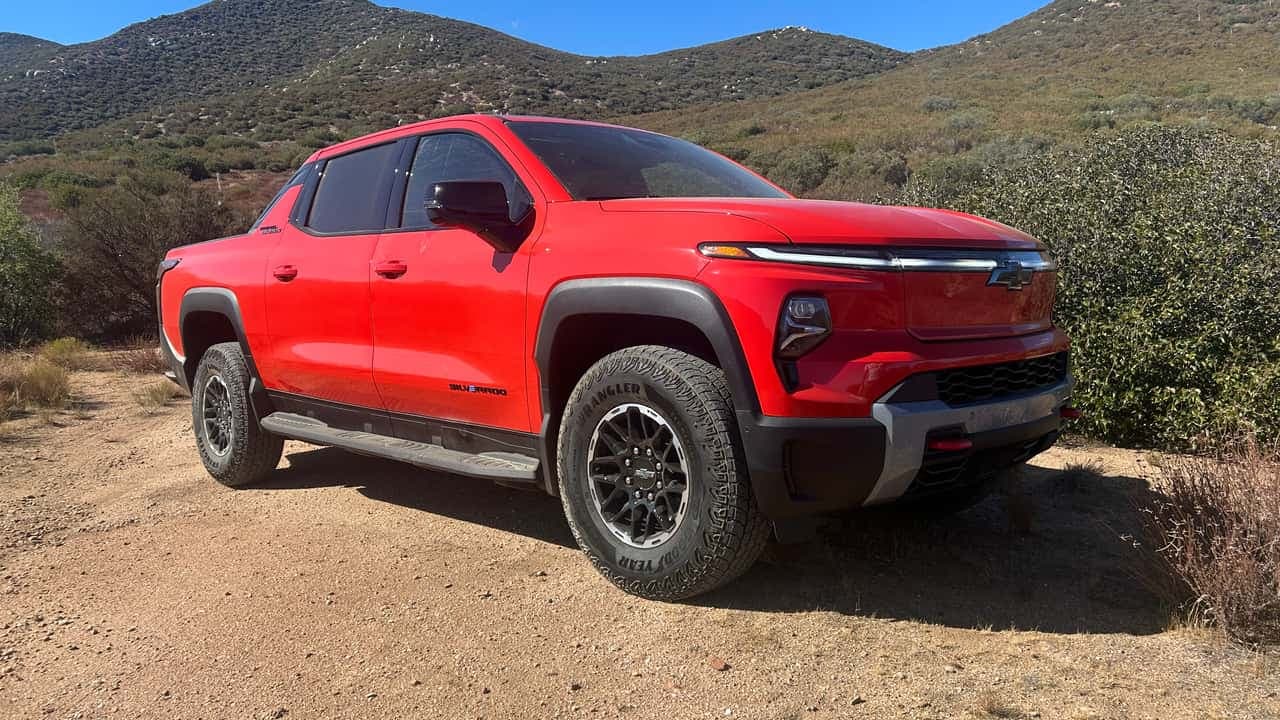
The impact of this program is already visible on the road. The recycled cathode material has been successfully integrated into the battery packs of premium and high-performance models, including the Cadillac Lyriq, Vistiq, Escalade IQ, and the rugged Chevrolet Silverado EV Trail Boss, alongside the GMC Sierra EV AT4. This marks a critical transition point: the point at which sustainable practices become a standard feature of high-volume manufacturing rather than an outlier.
Why It Matters
- Supply Chain Resilience: By reclaiming minerals from its own fleet, GM reduces dependency on volatile global commodity markets for lithium and cobalt.
- Environmental Impact: Reducing the necessity for new mining lowers the total carbon footprint and ecological disruption associated with building new electric vehicles.
- Scalability: The process has been proven at a production-grade level, establishing a blueprint for how automakers can handle the inevitable wave of retiring EV batteries in the coming decade.
- Energy Storage Ecosystems: Before recycling occurs, many batteries enjoy a "second life" in grid-scale energy storage systems, maximizing the utility of every cell produced.
The Broader Industry Shift
GM is not acting alone in this push for a circular economy. The entire automotive landscape is currently recalibrating its approach to battery lifecycles. Companies like Porsche are currently testing prototype cells built from recycled materials with an eye toward mass-market integration by 2028, while manufacturers like Rivian are actively deploying retired EV batteries into energy storage systems for industrial facilities.
Meanwhile, established market leaders like Tesla continue to refine their own massive recycling facilities, processing thousands of metric tons of battery material annually. This collective industry momentum suggests that the "end-of-life" phase for an electric vehicle is rapidly becoming the "beginning of life" for the next generation of battery technology, effectively creating a sustainable, self-replenishing supply chain for the future of mobility.