ScienceTechnical Deep Dive

Mastering the Heat: How Elite Athletes Are Adapting to Rising Temperatures

Published
EElectricBuzz Editorial Team
Mastering the Heat: How Elite Athletes Are Adapting to Rising Temperatures
1 min read160 wordsElectricBuzz Editorial Team

The Gist

“As global competitions face record-breaking temperatures, coach Olav Aleksander Bu reveals the specialized training methods helping athletes endure extreme heat.”

The 2026 Tour de France has officially been recorded as the hottest in the history of the event, forcing elite teams to rethink their approach to thermal regulation. For athletes accustomed to cooler climates, such as those from the Nordic regions, the shift in global competition conditions has necessitated a new frontier in sports science.

The Norwegian Method in Extreme Conditions

Olav Aleksander Bu, a pioneer of the 'Norwegian Method' and coach for Uno-X Mobility, has been at the forefront of this transition. The focus has shifted from traditional endurance metrics to heat acclimation strategies. These methods involve precise monitoring of core body temperature and metabolic efficiency under high thermal stress.

By simulating extreme environments during training, athletes are learning to optimize their sweat rates and maintain power output even when ambient temperatures reach dangerous levels. This scientific approach ensures that performance does not degrade as the mercury rises, a factor that proved decisive in the most recent cycling circuits.


SPONSORED
The 5 Best Over-Ear ANC Headphones of 2026, Tested & Ranked
Editor's Pick Guide
92/100
Tech & Gadgets•12 min read

The 5 Best Over-Ear ANC Headphones of 2026, Tested & Ranked

We locked five over-ear ANC picks for 2026 — Sony WH-1000XM6, Bose QuietComfort Ultra 2, Soundcore Space One, Sennheiser Momentum 5, and Apple AirPods Max 2 — then stress-tested them on lab metrics, long-term owner truth, and live street prices.

Related Stories

Semantically matched articles, ranked by topic overlap and freshness.

MIT’s Dual-Action Strategy Breathes New Life Into Toxic Antibiotic Candidates
Science

MIT’s Dual-Action Strategy Breathes New Life Into Toxic Antibiotic Candidates

Researchers have developed a clever 'drug and antidote' delivery system that renders previously unusable, highly toxic compounds safe for fighting bacterial infections.

Harvard’s Microscopic UV Chip Could Shrink Quantum Computers to Desktop Size
Science

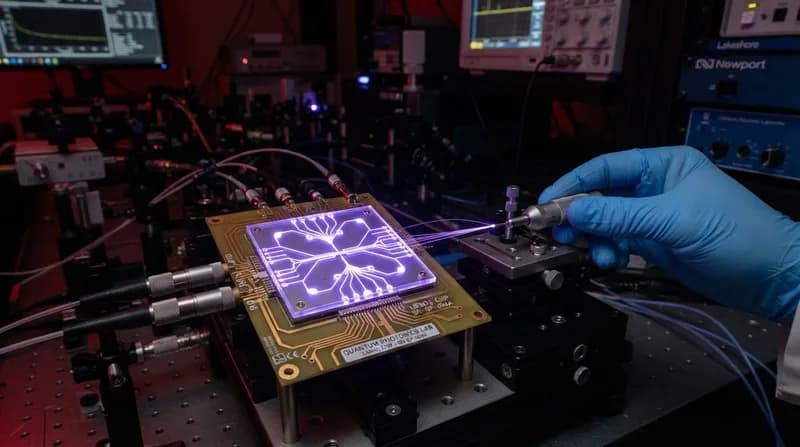
Harvard’s Microscopic UV Chip Could Shrink Quantum Computers to Desktop Size

Researchers have developed a breakthrough lithium niobate photonic device that generates high-power ultraviolet light on a chip, potentially revolutionizing quantum computing and sensor technology.

PicoQuant’s Solira Streamlines the Hunt for the Perfect Quantum Emitter
Science

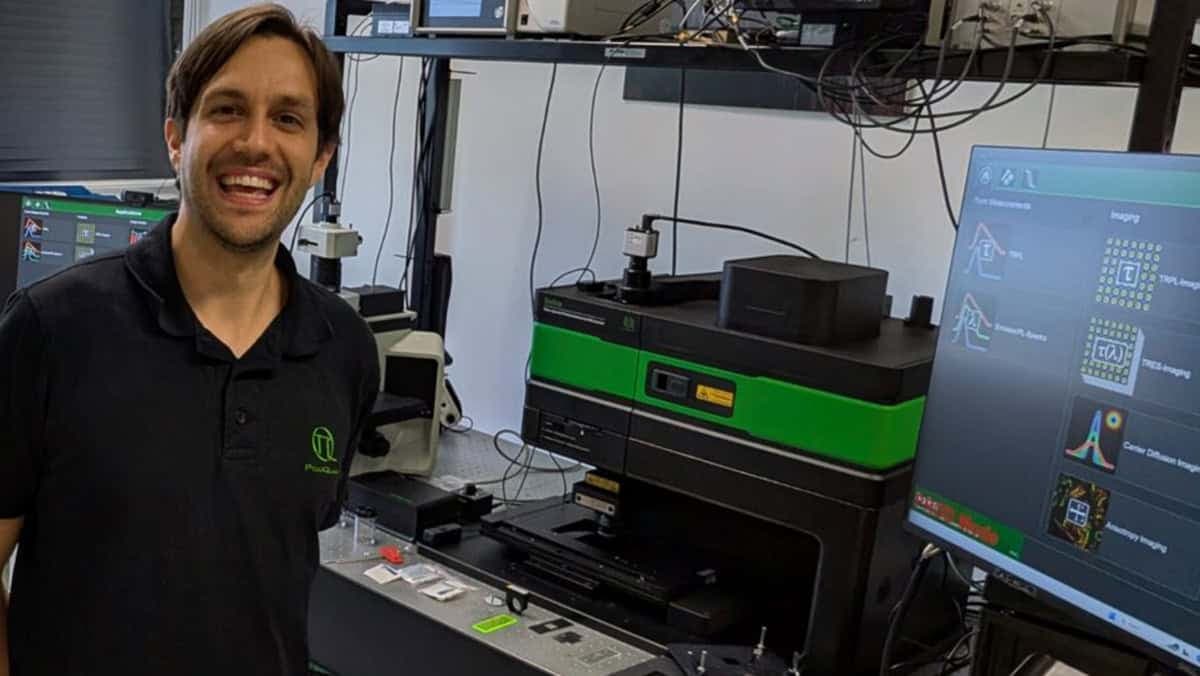
PicoQuant’s Solira Streamlines the Hunt for the Perfect Quantum Emitter

A new integrated microscopy platform is changing how researchers verify solid-state quantum emitters, bridging the gap between discovery and real-world quantum application.

Paleontology’s Biggest Case of Mistaken Identity: The Fossil That Wasn't a Reptile
Science

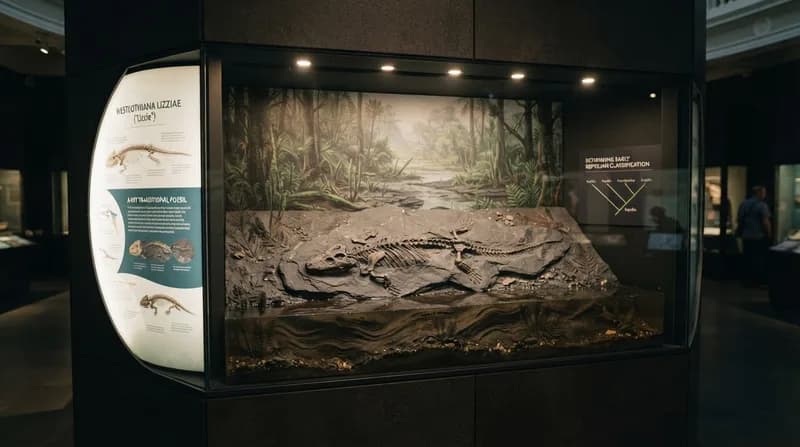
Paleontology’s Biggest Case of Mistaken Identity: The Fossil That Wasn't a Reptile

A 345-million-year-old fossil known as 'Lizzie' has been revealed to be an aquatic creature, forcing a massive rewrite of how vertebrates first stepped onto land.

Natural Synergy: Omega-3 and Aspirin Show Promise as Antibiotic Alternative for Gum Disease
Science

Natural Synergy: Omega-3 and Aspirin Show Promise as Antibiotic Alternative for Gum Disease

A year-long clinical trial reveals that a simple daily regimen of omega-3 and low-dose aspirin can match the efficacy of antibiotics in treating severe periodontitis.

Scientists Engineer 'Invisible Pipes' Using Acoustic Levitation
Science

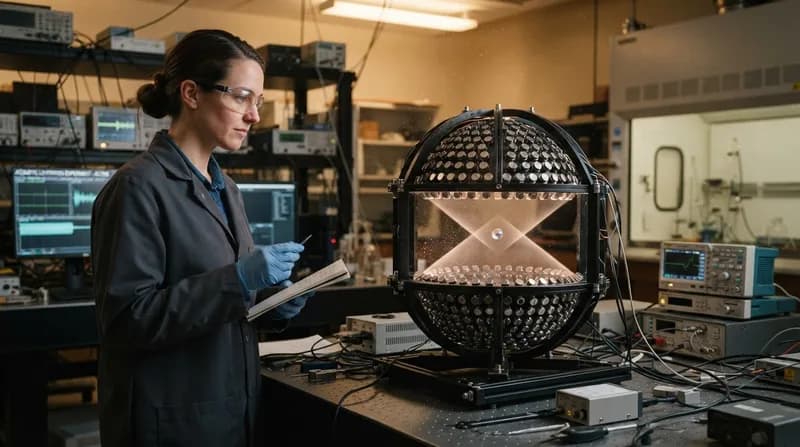
Scientists Engineer 'Invisible Pipes' Using Acoustic Levitation

Researchers have developed a groundbreaking method to transport liquids and gases through mid-air using programmable ultrasonic sound waves, effectively creating an invisible conduit.

Quantum Precision: DNA Nanotechnology Opens New Frontiers in Bioimaging
Science

Quantum Precision: DNA Nanotechnology Opens New Frontiers in Bioimaging

Researchers at the Technical University of Munich have pioneered a DNA-based quantum sensor that uses spin chemistry to detect and potentially control biological processes at the molecular level.

Stanford AI Breakthrough Uncovers Three Hidden Biological 'Biotypes' for ADHD and Anxiety
Science

Stanford AI Breakthrough Uncovers Three Hidden Biological 'Biotypes' for ADHD and Anxiety

Researchers have utilized deep learning to identify three distinct brain connectivity patterns that redefine how we understand and diagnose childhood ADHD and anxiety.