Closing the Loop on Nationwide Charging
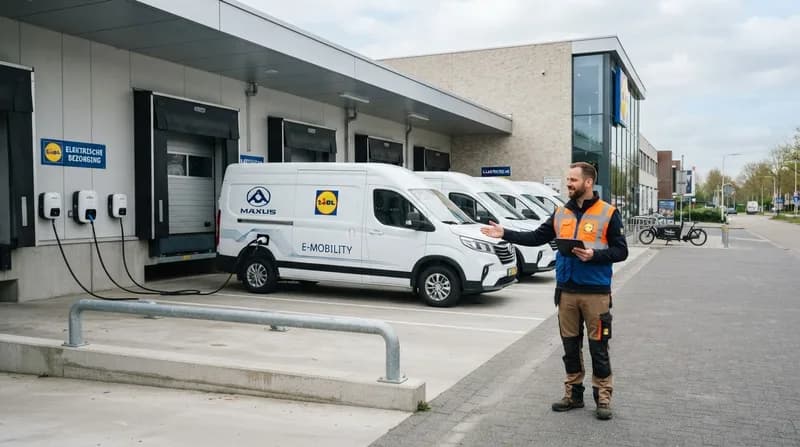
Lidl Netherlands has officially finalized its ambitious plan to equip every one of its regional logistics centers with high-capacity electric truck charging infrastructure. The latest addition, a new fast-charging hub located at the Waddinxveen distribution center, marks the sixth and final piece of a national puzzle that includes facilities in Almere, Heerenveen, Oosterhout, Weert, and Etten-Leur. This accomplishment is a critical prerequisite for the company's objective to transition its entire delivery fleet to electric vehicles, supporting all 440 of its Dutch retail branches by 2027.
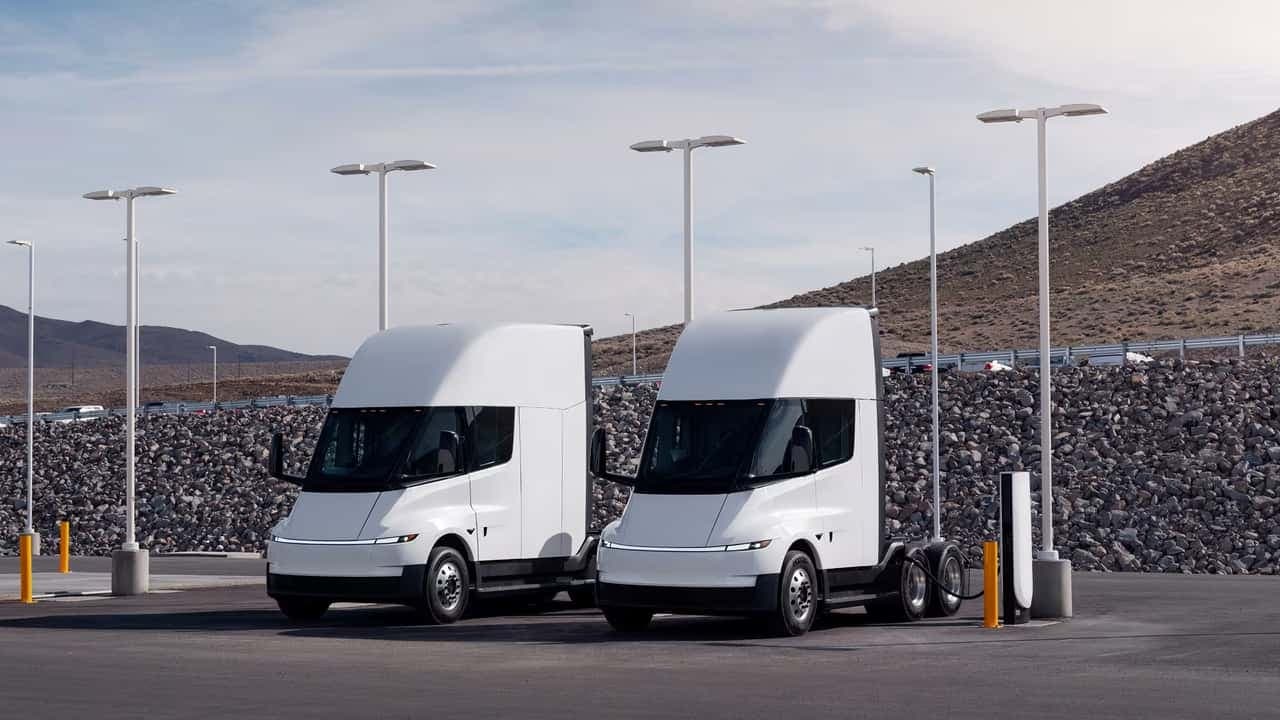
While Lidl has remained tight-lipped regarding specific power ratings for the Waddinxveen site, the facility follows a proven blueprint established at earlier hubs. Imagery from the location shows equipment from industry leaders ABB and Kempower, ensuring high-speed charging capabilities. Notably, the network utilizes exclusively green electricity, bolstered by photovoltaic arrays mounted on the roofs of the distribution centers, effectively turning logistics hubs into decentralized energy production sites.
Strategic Infrastructure for a Greener Supply Chain
Lidl is not merely building this infrastructure for internal gain; it is actively positioning these charging hubs as community assets. To optimize grid capacity and address regional bottlenecks, the retailer is opening its stations to external logistics partners and local transport companies. By offering favorable rates and guaranteed access, Lidl aims to catalyze the broader electrification of the Dutch transport sector, proving that private logistics infrastructure can serve as a public utility to accelerate sustainability.
The Road to 2027
The roadmap toward a fully electric supply chain has been a long-term evolution for the supermarket giant. Having initiated pilot programs for electric store deliveries in Amsterdam over a decade ago, Lidl has watched technology mature significantly. Modern electric heavy-duty trucks now offer operational ranges exceeding 500 kilometers, allowing the company to confidently pull forward its total electrification target to 2027—a full three years ahead of its original schedule.
Why It Matters
- Retail First: Lidl is set to become the first global retailer to reach a 100% electric delivery footprint within an entire country.
- Grid Synergy: By sharing chargers with third-party logistics firms, the company is tackling common infrastructure hurdles that usually plague individual fleet electrification.
- Energy Independence: Leveraging onsite solar power for fleet charging reduces reliance on the public grid and lowers the carbon intensity of the entire delivery operation.
As the 2027 deadline approaches, the successful deployment of these six hubs proves that the logistics sector can achieve rapid, large-scale electrification provided there is a dedicated commitment to site-specific charging capacity. While details regarding the final count of electric trucks remain internal, the infrastructure is now ready to support a total transition.