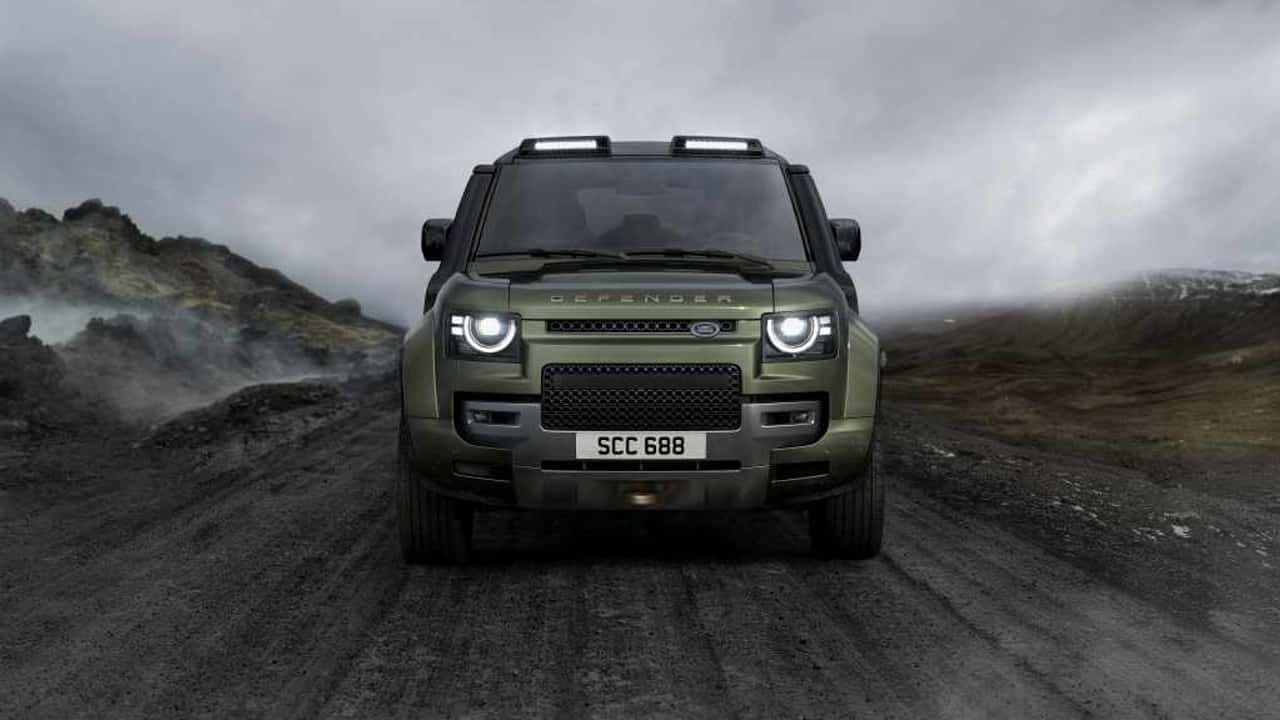
Jaguar Land Rover (JLR) has confirmed that the launch of its highly anticipated all-electric Defender will be postponed by two years, now set for the early 2030s. This decision is prompted by various market challenges, particularly in the U.S. and China, alongside tariff pressures and a recent cyberattack impacting operations.
The next-generation Defender will leverage JLR's dedicated Battery Electric Vehicle (BEV) platform known as Electrified Modular Architecture (EMA). This platform is designed to enhance software updates and features an 800-volt electrical architecture for improved performance.
Key Points
- Global sales for JLR saw a 9.2% decline in Q1 of fiscal year 2027. Essential models like the Range Rover and Defender accounted for 81% of sales, underlining their significance for the brand.
- The U.S. variant of the electric Defender will be developed in collaboration with Stellantis. It may utilize either a body-on-frame design akin to the Jeep Wrangler or Stellantis’ STLA Large EV platform.
- Tariff challenges are significant for JLR, facing a 10% duty on imports from the U.K. and a 15% duty on EU imports. This has pushed the company towards strategic partnerships to alleviate financial strain.
- Other electric models from JLR, including the Range Rover Electric and Range Rover Sport Electric, have also seen their debut timelines extended beyond the originally planned 2024 launch date.
This delay reflects broader challenges in the automotive industry, particularly for manufacturers transitioning to electric vehicles amid fluctuating geopolitical landscapes and economic uncertainties. As JLR navigates these issues, the need for strategic alliances and innovation will be crucial in maintaining its competitive edge in the electric vehicle market.