The Independence Factory: A Domestic Revival
In a specialized facility in Fort Worth, Texas, known as the Independence factory, American manufacturing is attempting a comeback in a sector dominated by international powers for decades. The plant, operated by rare earth specialist MP Materials, represents a significant step in onshoring the production of neodymium-iron-boron (NdFeB) magnets. These components are the invisible workhorses of modern electric vehicles, providing the high-torque, high-efficiency performance that drivers expect from EVs.
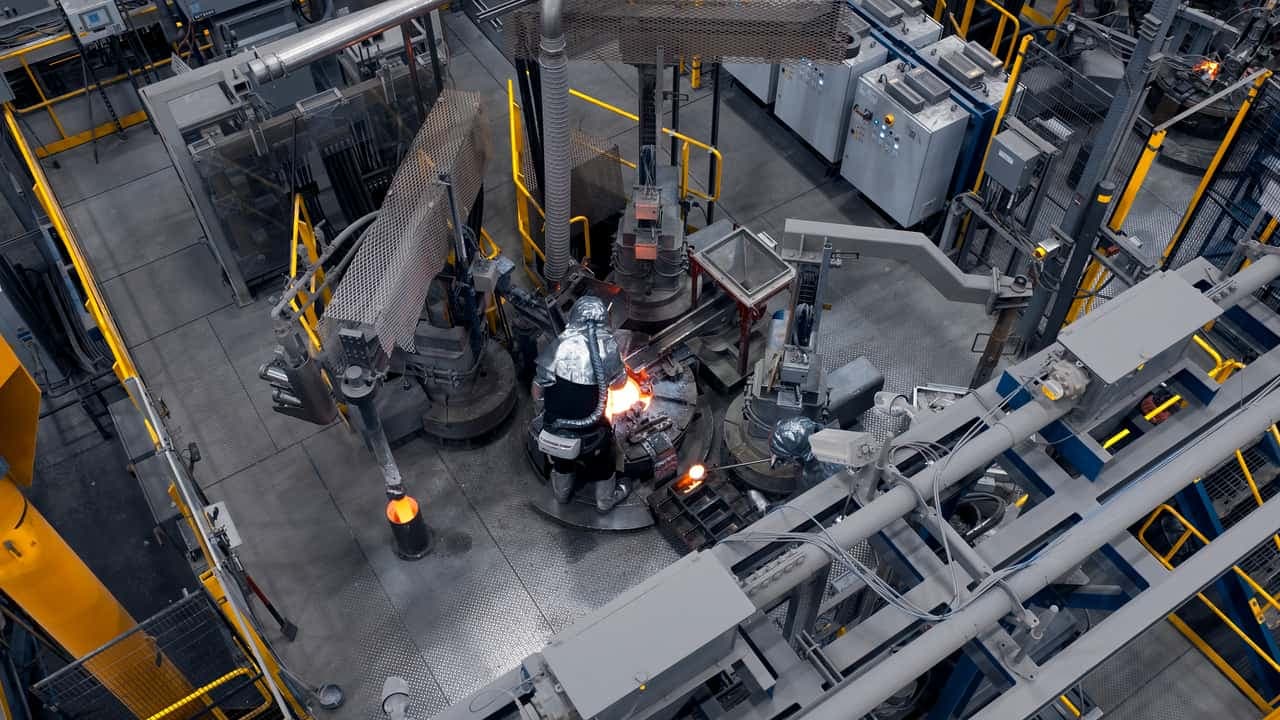
The facility is a hive of industrial precision, where temperatures in the manufacturing zones exceed 1,000 degrees Celsius. Inside, raw materials from the company’s Mountain Pass mine in California are processed through advanced metallurgical techniques, including hydrogen decrepitation and grain boundary diffusion. These processes transform raw oxide powders into the robust, high-performance magnets that sit within the rotors of high-end electric motors, such as those found in the Cadillac Vistiq.
The Critical Role of Permanent Magnet Motors
Why is there such intense focus on these tiny, Hershey-sized components? While various motor types exist for electric mobility, permanent magnet motors are the gold standard for power density and efficiency. The stator of an electric motor draws energy to generate a magnetic field, while the rotor—lined with these rare earth magnets—interacts with that field to generate the rotational force that drives the wheels. Without high-quality magnets, the immediate, smooth acceleration and overall range of modern EVs would be severely compromised.
Currently, the global supply chain for these materials is heavily concentrated in China, which controls nearly half of global reserves and a vast majority of the processing infrastructure. This dependency has previously led to production stoppages for major automakers when geopolitical tensions flared or trade policies shifted. By moving production to Texas, General Motors aims to insulate its supply chain against the volatile "tariff chaos" and policy shifts that have plagued the industry in recent years.
Why it Matters: A Strategic Shift
The urgency to localize magnet production mirrors the auto industry’s broader push to build batteries and semiconductors closer to home. This strategy is about more than just logistics; it is about reclaiming technological sovereignty. The NdFeB magnet was originally co-developed by researchers at General Motors and in Japan during the early 1980s, yet the mass-production scaling eventually migrated overseas. This new partnership aims to reverse that trend.
- Supply Chain Resilience: Reducing reliance on foreign processing hubs protects production timelines from sudden export controls or trade disputes.
- Technological Expertise: The Independence factory leverages proprietary American refining and manufacturing techniques that have been optimized for automotive-grade requirements.
- Scalability: While the current production is a "premium" product due to initial low volumes, both companies expect that reaching high utilization levels will drive costs down, eventually making domestic magnets competitive on a global scale.
Looking Toward a Domestic Future
The road to full-scale production has been years in the making, with GM and MP Materials finalizing their agreements during the height of the 2021 semiconductor shortages. For MP Materials, the success of the Independence plant relies on a closed-loop system: extracting ore in California and transforming it into high-tech components in Texas. While the first production-grade batches are slated for delivery by the end of the year, the ultimate goal is to outfit all of GM's North American EVs with these domestic magnets.
This initiative represents a pivotal moment for the American automotive sector. As the industry transitions fully toward electrification, the ability to manufacture key components domestically is no longer just a business advantage—it is a fundamental requirement for long-term stability. With the Independence factory nearing full operation, the U.S. is signaling that it is ready to re-enter the race for control over the critical materials that will power the next century of transportation.