The Path to Circular Energy
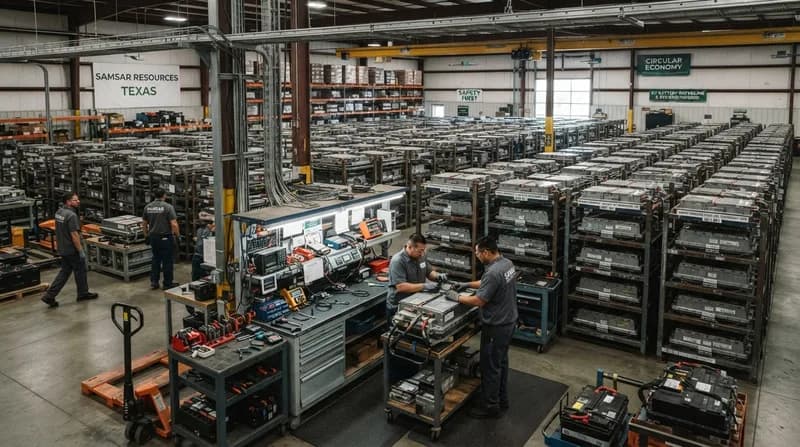
As the first wave of mass-market electric vehicles reaches the end of their original road-going life, the automotive industry faces a critical question: what happens to the batteries? Samsar Resources, a Texas-based startup operating out of Sugar Land, is answering that challenge with a scalable model for battery remanufacturing. The company recently celebrated a major milestone, having successfully upcycled its 1,000th Nissan Leaf battery pack, effectively returning over 25 MWh of capacity to the energy ecosystem.
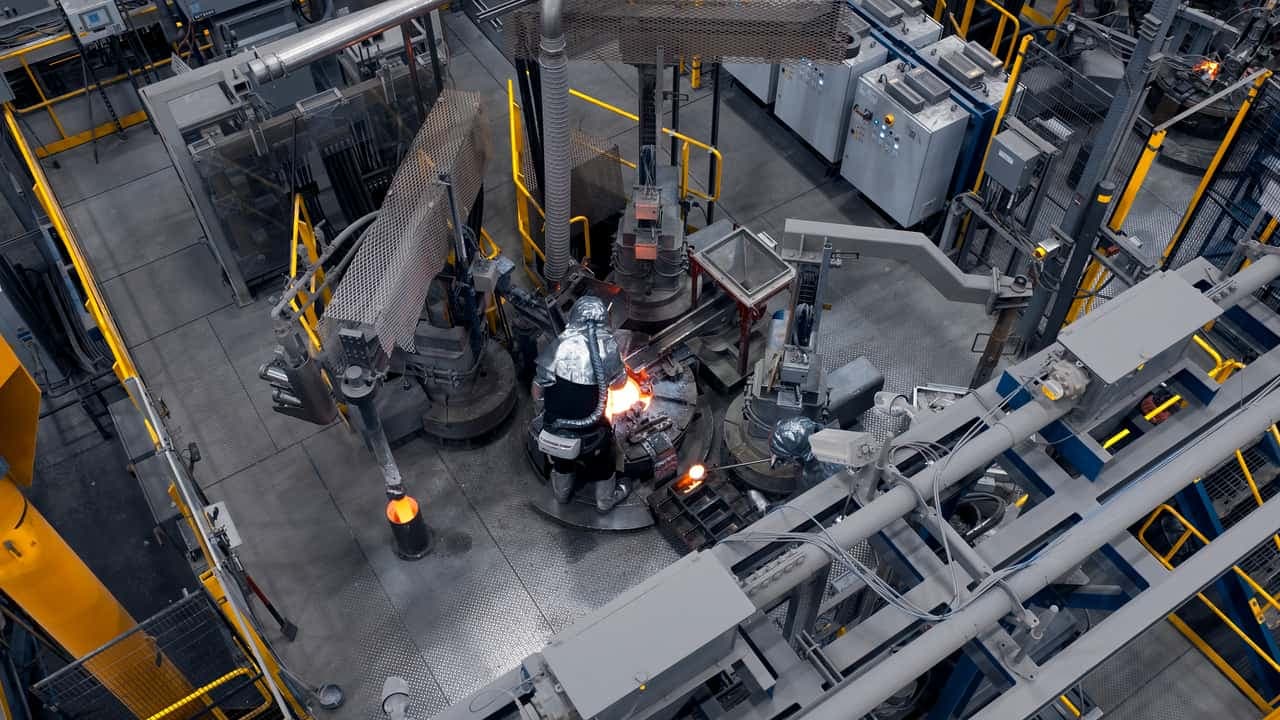
The process is far from a simple recycling operation. Samsar treats retired battery packs as high-value assets rather than scrap metal. By dismantling the packs down to individual modules and conducting rigorous cell-level quality control, the team claims to capture approximately 90 percent of the original value stored in each battery. This sophisticated approach ensures that cells still capable of holding a charge are diverted from landfills and given a productive second life.
Why the Nissan Leaf?
While many modern EVs utilize liquid-cooled battery systems, Samsar has identified the Nissan Leaf as the "perfect fit" for its specific remanufacturing workflow. The Leaf’s long-standing air-cooled architecture and extensive historical performance data make it easier for engineers to predict the remaining state of health (SoH) of individual modules. This predictability allows the company to integrate these units into reliable energy storage solutions with greater confidence.
These remanufactured units are finding new utility in diverse environments. From stationary energy storage facilities that bolster electrical grids to powering specialized marine equipment and off-grid worksite tools, the salvaged capacity is proving that a vehicle's retirement is merely the start of its functional lifecycle. By creating a market for these secondary-life components, Samsar is effectively subsidizing the future of EV adoption by lowering the cost and environmental footprint of large-scale battery systems.
Scaling for the Future
The growth trajectory for the startup has been rapid. In 2022, the company processed a modest 20 units. By 2025, that number had surged past 300 annually. With the infrastructure and expertise now established, leadership at Samsar is forecasting a significant jump in production, aiming to reach 2,000 remanufactured packs by 2027. This acceleration represents a maturing of the battery circular economy, proving that a "playbook" for upcycling is finally being written.
- Total Capacity Recovered: Over 25 MWh.
- Milestone: 1,000th Nissan Leaf battery pack repurposed.
- Process: Dismantling to module level with cell-level health verification.
- Applications: Stationary storage, marine power, and industrial worksite equipment.
- Production Outlook: Goal of 2,000 total remanufactured packs by the end of 2027.
As global demand for energy storage continues to rise alongside the transition to renewable grids, the ability to harvest modular, reliable power from retired transport vehicles will become a cornerstone of sustainable energy policy. Samsar’s efforts serve as a blueprint for how technical ingenuity can transform what was once considered industrial waste into a key component of our future infrastructure.