E-BUZZ ME Logo
ScienceTechnical Deep Dive

Innovative Nanoparticles Shine in Fight Against Glioblastoma

Published
EElectricBuzz Editorial Team
Innovative Nanoparticles Shine in Fight Against Glioblastoma
2 min read252 wordsElectricBuzz Editorial Team

The Gist

Researchers have developed smart nanoparticles that improve surgical outcomes for glioblastoma by identifying and destroying residual cancer cells, achieving a 100% survival rate in mouse models.

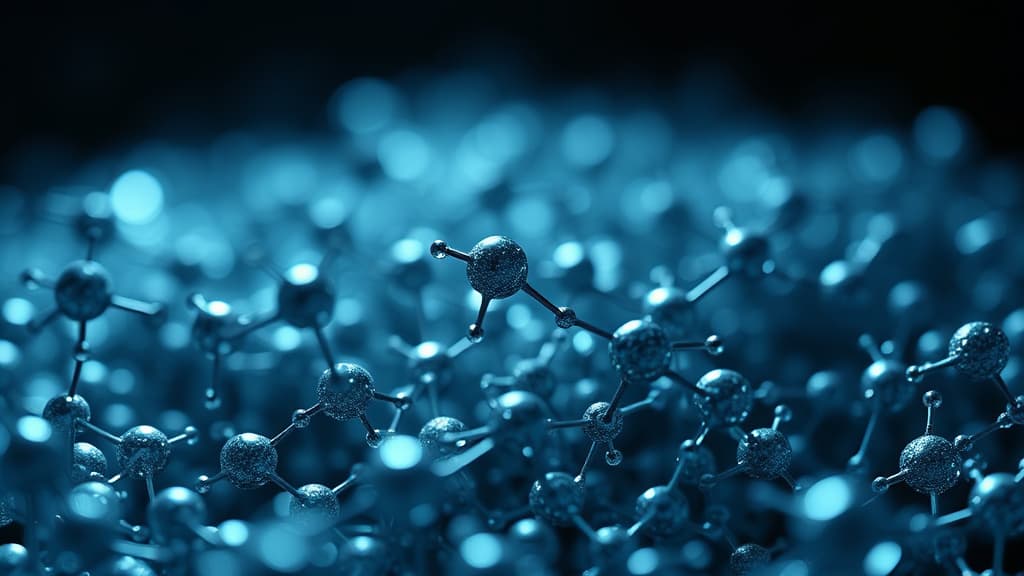
Researchers have made significant strides in the fight against glioblastoma, a notoriously aggressive brain cancer, by developing innovative smart nanoparticles. These nanoparticles not only illuminate cancer cells during surgery but also destroy residual cells, addressing a critical challenge in brain cancer treatments.

Key Features of the Nanoparticles

  • Dual Functionality: The nanoparticles serve as both imaging and therapeutic agents, helping surgeons identify tumors more effectively while ensuring post-surgical eradication of remaining cells.
  • Advanced Imaging: Engineered with a unique two-dimensional structure, they can detect tumor cell clusters as small as 44 micrometers, surpassing existing imaging techniques.
  • Activation Mechanism: Activated by near-infrared light, these nanoparticles convert hydrogen peroxide into oxygen, generating heat that effectively destroys microscopic cancer cells.
  • Promising Survival Rates: In controlled experiments, treated mice exhibited a survival rate of 100% at 60 days, compared to an average of only 42 days for traditional surgical methods.
  • Impact on Recurrence Rates: This breakthrough seeks to tackle the issue of glioblastoma recurrence, which often occurs due to leftover microscopic cells after visible tumors are removed.
  • Next Steps: Despite the promising results in animal models, researchers emphasize the necessity for human trials to establish the efficacy and safety of this treatment in real-world medical settings.

With glioblastoma being infamous for its high recurrence rates, the development of these nanoparticles could significantly enhance patient outcomes. They represent a notable advancement in both cancer imaging and targeted therapy, holding the potential to reshape surgical practices for brain cancers.

For further details, the full study can be accessed here.

Related Stories

Semantically matched articles, ranked by topic overlap and freshness.

Botanists Unearth the Elusive 'Devil Flower' in Thai Highlands
Science

Botanists Unearth the Elusive 'Devil Flower' in Thai Highlands

Deep within the Thai forest, researchers have identified a rare, parasitic plant that defies botanical norms with its eerie, otherworldly appearance and underground existence.

Breakthrough Cardiology Trial Validates New Imaging Standard for Complex Stenting
Science

Breakthrough Cardiology Trial Validates New Imaging Standard for Complex Stenting

A landmark clinical study reveals that optical coherence tomography is just as effective as traditional ultrasound for guiding intricate heart procedures.

Could a 30-Minute Workout Be the Ultimate Insurance Policy for Your Memory?
Science

Could a 30-Minute Workout Be the Ultimate Insurance Policy for Your Memory?

A groundbreaking study reveals that moderate evening exercise may act as a powerful buffer, protecting your cognitive recall from the negative effects of a restless night.

Decoding the Blueprint: How Metabolism and Physical Contact Shape the Human Brain
Science

Decoding the Blueprint: How Metabolism and Physical Contact Shape the Human Brain

New research from UCLA reveals that radial glia, the master architects of the human brain, make critical developmental decisions based on metabolic fuel and direct physical signals.

80,000-Year-Old Arrowheads Found in Uzbekistan Challenge Human Migration History
Science

80,000-Year-Old Arrowheads Found in Uzbekistan Challenge Human Migration History

A groundbreaking discovery of tiny, prehistoric projectile points suggests that early Homo sapiens technology was far more advanced and widespread across Central Asia than previously believed.

Immediate coronary angiography fails to boost survival after cardiac arrest, trial finds
Science

Immediate coronary angiography fails to boost survival after cardiac arrest, trial finds

A large randomized trial and meta-analysis found no survival benefit for immediate versus deferred coronary angiography in out-of-hospital cardiac arrest patients without ST-segment elevation.

CDK2 Inhibitors Show Promise in Overcoming Immunotherapy Resistance
Science

CDK2 Inhibitors Show Promise in Overcoming Immunotherapy Resistance

Dana-Farber researchers report that CDK2 inhibitors combined with immune checkpoint blockers eradicated colorectal and breast cancers in animal models, offering a potential solution for tumors resistant to current immunotherapy.

Slow Exhalation Linked to Bolder Decision-Making in Landmark Neuroscience Study
Science

Slow Exhalation Linked to Bolder Decision-Making in Landmark Neuroscience Study

Researchers found that a 2:8 inhale-exhale breathing ratio increases heart rate variability and activates reward-related brain regions, making participants more willing to take risks. The study provides direct evidence that conscious breath control can reshape decision-making processes.