
Indirect greenhouse gases, including carbon monoxide and volatile organic compounds (VOCs), are responsible for about 15% of global warming. Despite their significant impact, these emissions are largely overlooked by existing climate policy frameworks. This oversight highlights a critical gap in global strategies aiming to reduce planetary heating.
ScienceTechnical Deep Dive
Indirect Greenhouse Gases Account for 15% of Global Warming
Published
EElectricBuzz Editorial Team

1 min read47 wordsElectricBuzz Editorial Team
The Gist
“Indirect greenhouse gases like carbon monoxide and VOCs contribute 15% to global warming but remain unaddressed in current climate policies.”
SPONSORED



Editor's Pick Guide
92/100
Tech & Gadgets•12 min read
The 5 Best Over-Ear ANC Headphones of 2026, Tested & Ranked
We locked five over-ear ANC picks for 2026 — Sony WH-1000XM6, Bose QuietComfort Ultra 2, Soundcore Space One, Sennheiser Momentum 5, and Apple AirPods Max 2 — then stress-tested them on lab metrics, long-term owner truth, and live street prices.
Related Stories
Semantically matched articles, ranked by topic overlap and freshness.
Science
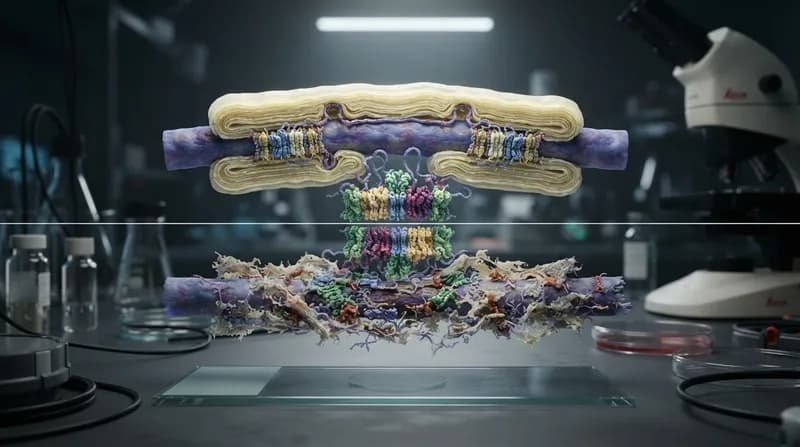
Decoding Myelin: New Protein Discovery Explains Nerve Insulation Precision
Researchers at Upstate Medical University have identified a biological sensor that allows cells to tailor the thickness and length of protective nerve coatings, offering a breakthrough for regenerative neurology.

Science
Unlocking the Cellular Powerhouse: How Mapping Parasite Mitochondria Could Revolutionize Medicine
A massive, multi-year scientific consortium has mapped the proteomes of parasite mitochondria, uncovering ancient evolutionary secrets and identifying dozens of new potential drug targets for deadly diseases.
Science
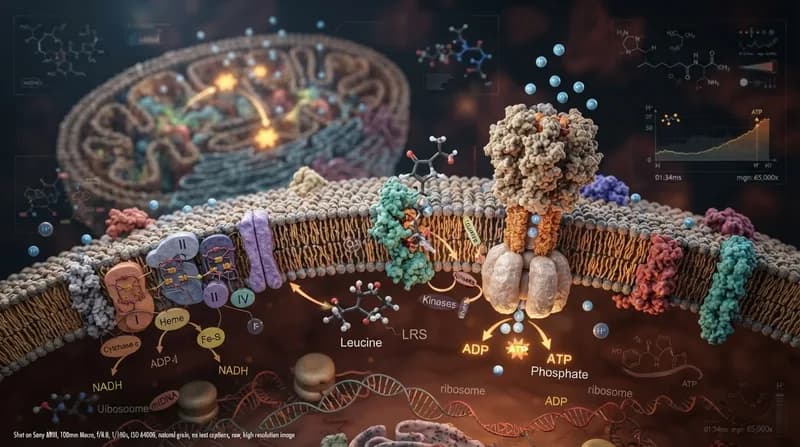
Beyond Muscle Growth: How Leucine Rewires Cellular Energy
Researchers have uncovered a vital mechanism where the amino acid leucine acts as a metabolic switch, protecting mitochondria to boost cellular energy production.

Science
The Science of Testosterone: Why Women Are Seeking New Treatment Options
As demand for testosterone therapy among postmenopausal women surges, researchers examine the clinical evidence, the current regulatory landscape, and the urgent need for gender-specific medical solutions.
Science
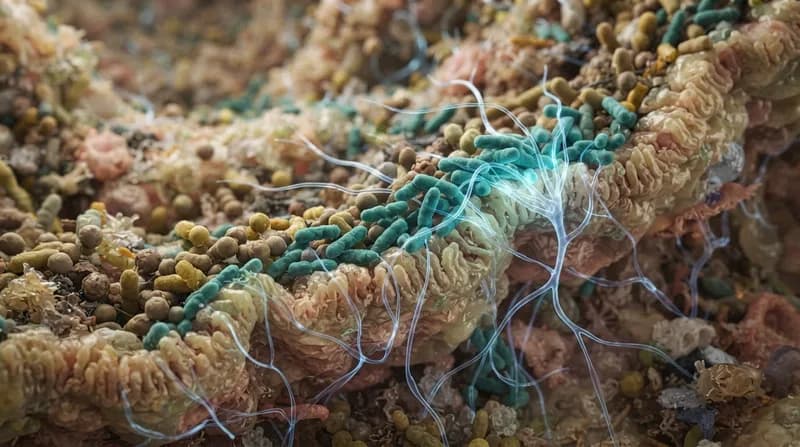
Could Gut Bacteria Hold the Key to Alzheimer’s Prevention?
New research from the University of Wisconsin-Madison identifies a specific bacterial compound in the gut that may accelerate cognitive decline and serve as a vital new target for therapeutic intervention.
Science
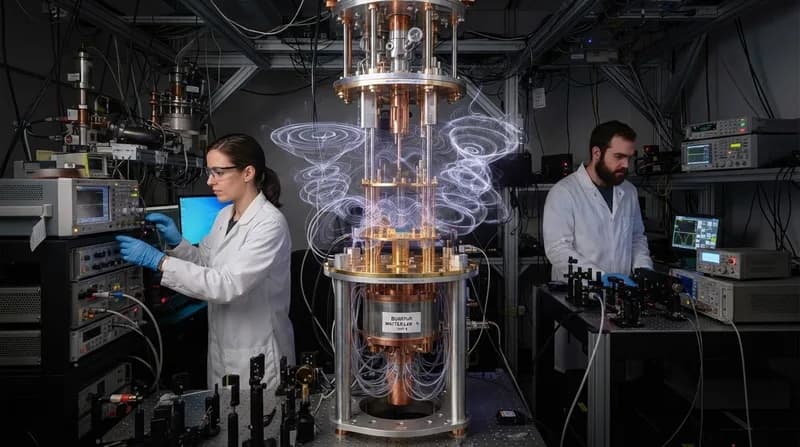
Quantum Breakthrough: Scientists Use 'Empty Space' to Supercharge Superconductors
Researchers have successfully amplified superconductivity by engineering vacuum fluctuations, a discovery that fundamentally shifts our approach to manipulating quantum materials.

Science
Supercomputer Simulation 'MEGATRON' Recreates the Dawn of Cosmic Chemistry
Researchers are utilizing massive computational power to bridge the gap between JWST observations and ancient stellar fossils, revealing how the first stars forged our universe.
Science
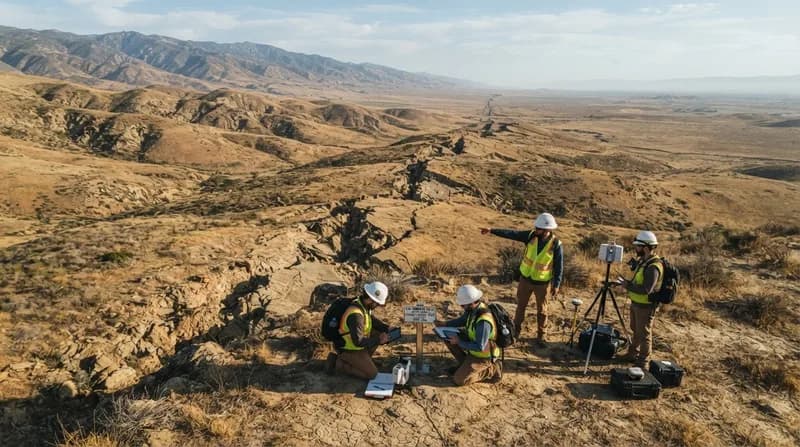
California's Fault Lines Reach a Millennium-High Stress Milestone
A groundbreaking 1,000-year stress simulation of the San Andreas and San Jacinto fault systems has identified a critical 'earthquake gate' that could dictate the scale of future regional seismic events.