ScienceTechnical Deep Dive

Growing Concerns: GLP-1 Medications Linked to Nutritional Deficiencies in Pediatric Patients

Published
EElectricBuzz Editorial Team
Growing Concerns: GLP-1 Medications Linked to Nutritional Deficiencies in Pediatric Patients
3 min read526 wordsElectricBuzz Editorial Team

The Gist

A significant study reveals that nearly 1 in 6 children prescribed GLP-1 drugs for diabetes or weight management develop nutritional deficiencies, sparking calls for earlier clinical intervention.

The Hidden Nutritional Toll of GLP-1 Therapy

As the use of GLP-1 receptor agonists—a class of medications that includes well-known brands such as Ozempic, Wegovy, Saxenda, and Trulicity—expands into the pediatric population, researchers are sounding a new alarm. A recent study published in the journal Childhood Obesity has uncovered a critical, often overlooked side effect: nutritional deficiency. Analysis of national administrative claims data indicates that nearly 17 percent of children using these medications develop a diagnosed nutrient deficiency within their first year of treatment.

This development is particularly concerning for pediatric patients. Adolescence is a period characterized by rapid physiological changes, including skeletal growth and pubertal development, which demand a consistent intake of essential micronutrients. When these medications suppress appetite and significantly alter food intake, they may inadvertently starve a developing body of the fuel it needs for long-term health, raising questions about how these potent treatments are currently being managed in clinical settings.

Breakdown of the Clinical Findings

The study, led by researchers at the Ann & Robert H. Lurie Children's Hospital of Chicago, examined data from over 2,000 patients between the ages of 10 and 17. The findings highlight a clear gap in standard care protocols. Vitamin D deficiency was identified as the most common issue, affecting 12.4 percent of the study cohort within the first year of therapy. Other deficiencies related to iron and calcium intake were also observed, which could have lasting implications for bone density and overall developmental health if left unaddressed.

The study also shed light on the disparity between medication initiation and nutritional guidance. Researchers noted that a mere 5 percent of the pediatric patients studied received professional nutritional counseling within the first month of beginning their GLP-1 regimen. Even after six months, fewer than one in four patients had access to such counseling. Given that these drugs act directly on the appetite centers of the body, experts argue that nutritional oversight should not be a reactive measure but a foundational component of the initial treatment plan.

The Call for Proactive Management

The primary takeaway from this research is a shift in clinical strategy. Rather than waiting for a symptomatic deficiency to appear, clinicians are encouraged to integrate proactive nutritional management into the initial prescription phase. Because these drugs are typically used to treat prediabetes, type 2 diabetes, or obesity, the patients are already in a vulnerable medical position; adding a nutrient-dense diet deficit only complicates their long-term health trajectory.

Why It Matters

  • Developmental Risks: Adolescents require higher levels of iron, calcium, and vitamin D; deficiencies during this stage can result in permanent skeletal and physiological complications.
  • Gap in Care: Current clinical standards are failing to link medication usage with essential dietary support, as evidenced by low counseling rates in the study.
  • Preventative Shift: There is a growing consensus that nutritional counseling should be a mandatory companion to any GLP-1 treatment plan for children and teenagers to prevent harm before it begins.

By shifting focus toward comprehensive, multidisciplinary care, healthcare providers hope to preserve the benefits of weight loss and blood sugar management while ensuring that the physical development of young patients remains on track throughout the treatment process.


The 5 Best Over-Ear ANC Headphones of 2026, Tested & Ranked
Editor's Pick Guide
92/100
Tech & Gadgets12 min read

The 5 Best Over-Ear ANC Headphones of 2026, Tested & Ranked

We locked five over-ear ANC picks for 2026 — Sony WH-1000XM6, Bose QuietComfort Ultra 2, Soundcore Space One, Sennheiser Momentum 5, and Apple AirPods Max 2 — then stress-tested them on lab metrics, long-term owner truth, and live street prices.

Related Stories

Semantically matched articles, ranked by topic overlap and freshness.

Seismic Synchronization: Could Cascadia and San Andreas Strike Together?
Science

Seismic Synchronization: Could Cascadia and San Andreas Strike Together?

New geologic research suggests that North America’s two most formidable fault lines may be capable of triggering catastrophic back-to-back earthquakes.

The Widening Gap: New Research Links Type 2 Diabetes to Rising Cancer Incidence
Science

The Widening Gap: New Research Links Type 2 Diabetes to Rising Cancer Incidence

A comprehensive nationwide study reveals that cancer rates are climbing among those with Type 2 diabetes, highlighting a critical need for integrated long-term care.

Global Climate Warning: Key Atlantic Ocean Current Shows Decades of Decline
Science

Global Climate Warning: Key Atlantic Ocean Current Shows Decades of Decline

New research reveals that a primary regulator of Earth's climate, the Atlantic Meridional Overturning Circulation (AMOC), has been consistently weakening for nearly 20 years, signaling potential shifts in global weather patterns.

Could a Topical 'Cell Cleaner' Revolutionize Aging Skin Recovery?
Science

Could a Topical 'Cell Cleaner' Revolutionize Aging Skin Recovery?

Researchers have discovered that targeting senescent cells with a topical drug can dramatically accelerate wound healing in aging tissue, potentially transforming surgical recovery.

Sleep Architecture and Longevity: New Research Links REM Cycles to Lower Disease Risk
Science

Sleep Architecture and Longevity: New Research Links REM Cycles to Lower Disease Risk

A massive longitudinal study using accelerometer data reveals that specific sleep stages are powerful indicators of long-term health and disease prevention.

Quantum Leap: New Hybrid Material Uses Voltage to Control Exciton Transport
Science

Quantum Leap: New Hybrid Material Uses Voltage to Control Exciton Transport

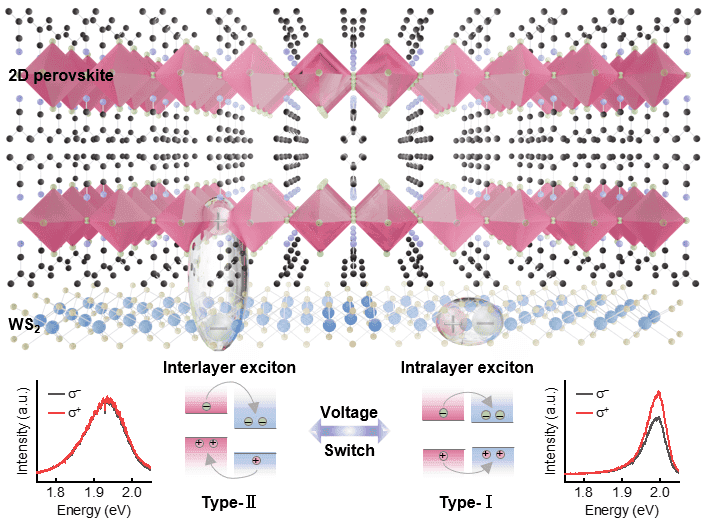
Researchers have unlocked a breakthrough in 2D material science, enabling electrical control over exciton transport and valley polarization without precise alignment constraints.

Breaking Barriers: New Research Reveals People with Dementia Are Eager to Contribute to Science
Science

Breaking Barriers: New Research Reveals People with Dementia Are Eager to Contribute to Science

A groundbreaking study challenges long-standing assumptions, revealing that individuals with dementia find research participation meaningful rather than burdensome.

New Piezoelectric Microprobe Revolutionizes Intravascular Imaging for Brain Health
Science

New Piezoelectric Microprobe Revolutionizes Intravascular Imaging for Brain Health

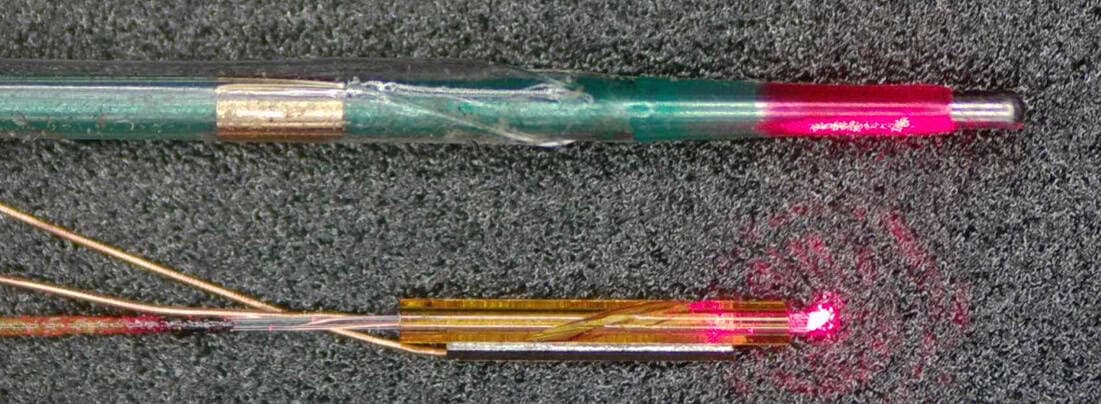
Researchers have developed a breakthrough 0.55 mm diameter microprobe capable of navigating the brain's tiny blood vessels to provide high-resolution, 360-degree diagnostic imaging.