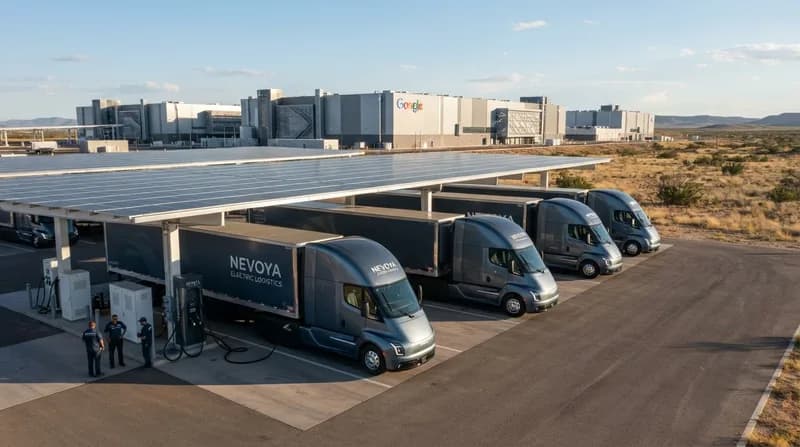
Scaling Zero-Emission Logistics in Texas
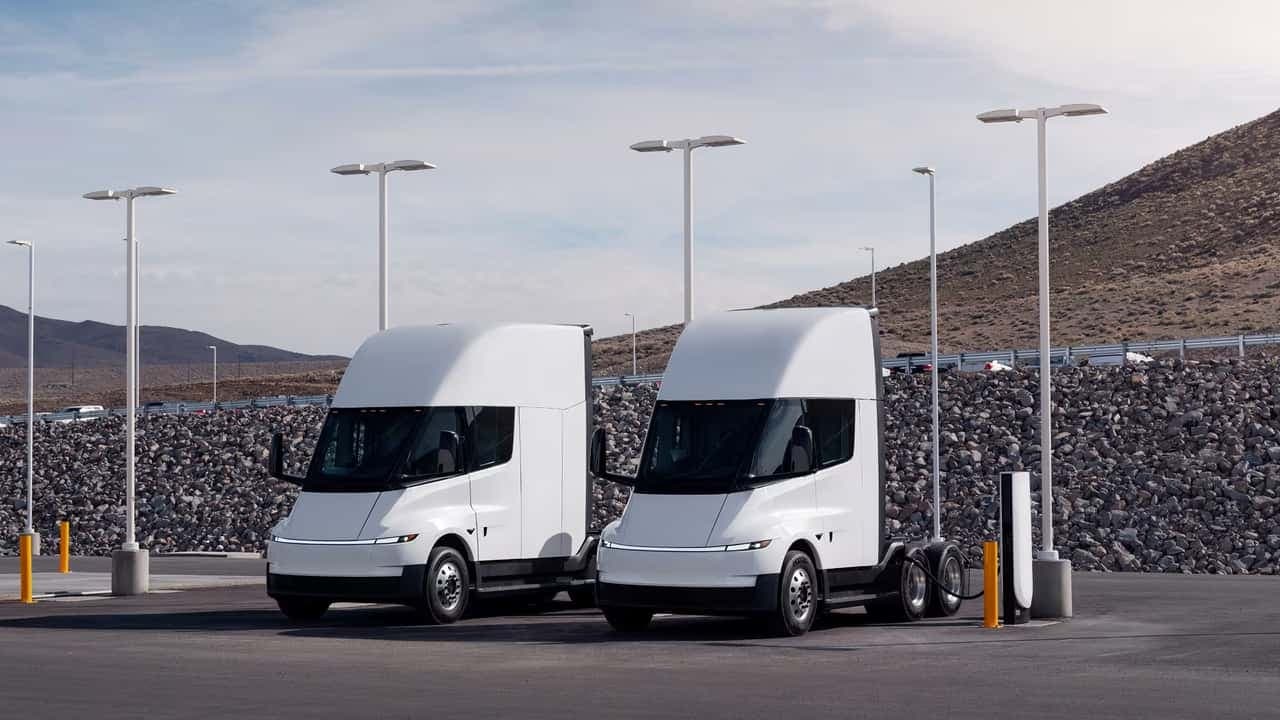
A major transformation is taking shape along the vital freight corridor connecting Houston and Dallas. Google has officially joined forces with Nevoya and the Center for Green Market Activation (GMA) to deploy 25 battery-electric semi-trucks. This project serves as a cornerstone for a larger, ambitious goal: the operation of a 63-truck fleet that aims to redefine the efficiency and sustainability of heavy-duty transportation in the Lone Star State.
While the specific manufacturers for this initial deployment of 25 vehicles have not been disclosed, the scale of the operation is unprecedented for the region. Google anticipates that this fleet will cover approximately 11 million miles annually, resulting in a staggering reduction of 92,000 metric tons of CO2 emissions. By pooling environmental attribute certificates (EACs), the tech giant is creating a scalable financial model that allows corporations to effectively offset the carbon footprint of their logistics and supply chain networks.
Infrastructure and Strategic Expansion
The success of an electric long-haul operation relies heavily on the supporting power grid, and this project is backed by purpose-built facilities. Greenlane Infrastructure is currently developing dedicated charging hubs in both Houston and Dallas to ensure these heavy-duty rigs remain operational. These sites are designed with significant capacity, featuring multiple pull-through lanes to accommodate the size and logistical needs of semi-trucks, and are equipped to handle both CCS and the advanced Megawatt Charging System (MCS) standards.
Why It Matters
- Supply Chain Decarbonization: Google’s procurement model proves that large enterprises can use their buying power to demand and fund zero-emission logistics, making clean shipping commercially viable.
- Corridor Electrification: The Houston-Dallas route is becoming a blueprint for North American freight electrification, following previous successful deployments of Freightliner eCascadia units.
- Aggregated Demand: By using the GMA procurement framework, companies can consolidate demand, which lowers the barrier to entry for carriers like Nevoya to invest in expensive electric hardware.
The Future of Heavy-Duty Freight
Looking ahead, this initiative is more than just a single fleet deployment; it is a testbed for the long-term viability of battery-electric heavy transport at scale. With the existing network of 40 Freightliner eCascadia trucks already operating on this route since earlier this year, the addition of the new 25-truck deployment signals a clear transition toward full corridor electrification. As charging sites expand to include overnight parking and high-speed charging, the reliability of these electric routes will likely increase, encouraging further adoption across the logistics industry.
While questions remain regarding the specific truck platforms that will make up the core of this fleet, the partnership highlights a shift in industry priorities. The focus is no longer just on vehicle technology, but on the integrated ecosystem of charging, carrier operations, and corporate sustainability reporting. This multifaceted approach is essential for replacing traditional diesel fleets with sustainable, zero-emission alternatives at the scale required to meet modern environmental goals.