Scaling Up: GM's Strategic Battery Pivot
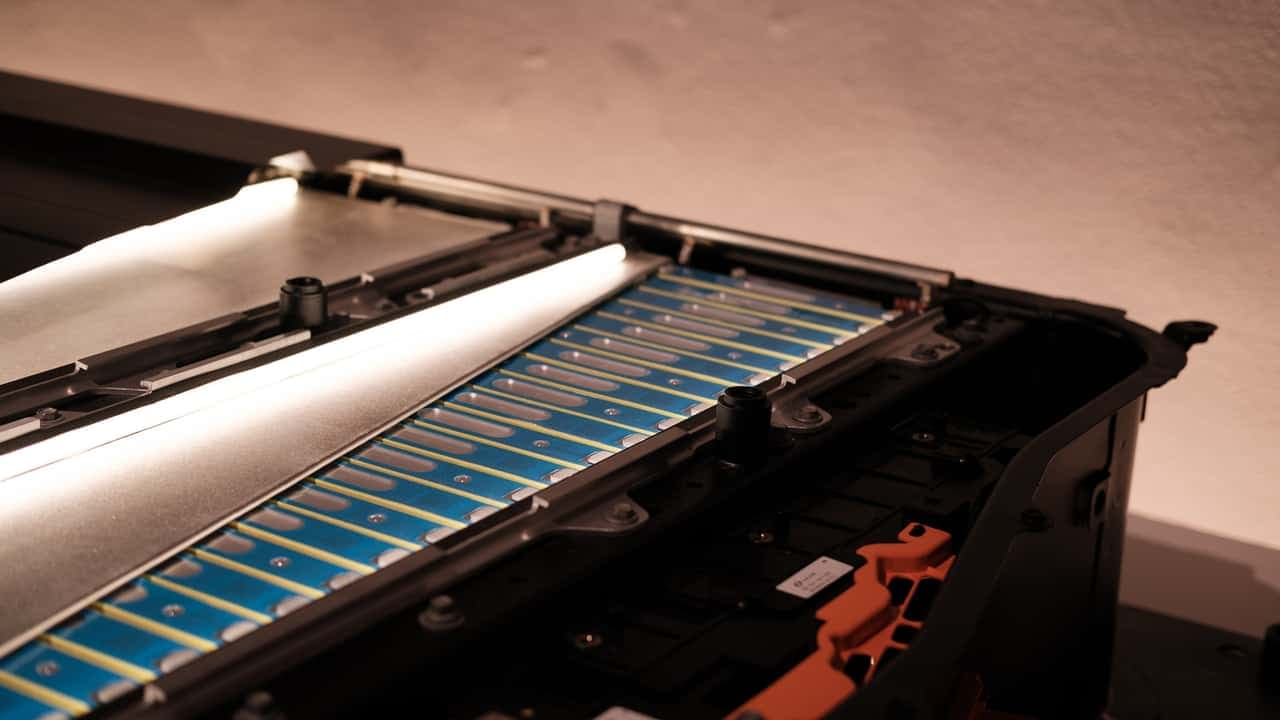
General Motors has officially confirmed the location for the mass production of its highly anticipated lithium-manganese-rich (LMR) battery cells. In a significant move for its long-term electrification strategy, the automaker announced that the Ultium Cells plant in Spring Hill, Tennessee—a joint venture with LG Energy Solution—will serve as the primary manufacturing hub for this next-generation technology. This announcement marks a critical milestone, as it represents the first time the company has publicly identified a production site for its LMR battery architecture.
The transformation of the Spring Hill plant is slated to begin in late 2024, with a comprehensive rollout targeted for 2028. Once fully operational, this facility is poised to become the world's first industrial-scale plant capable of mass-producing prismatic LMR cells. This development is essential for GM as it seeks to balance the high-performance requirements of its large-format vehicle lineup with the persistent need to reduce production costs and supply chain dependencies.
The Technical Edge of Manganese
At their foundation, LMR batteries share a similar chemical lineage with traditional nickel-manganese-cobalt (NMC) cells. However, GM's engineering approach emphasizes a drastic reduction in the use of expensive, ethically sensitive materials like cobalt and nickel. By prioritizing manganese, which is both more abundant and cost-effective to extract and refine, GM has developed a chemistry that significantly lowers the financial barrier to entry without sacrificing the energy density required for long-range performance.
The efficiency gains offered by this chemistry are substantial. According to technical projections provided by the automaker, LMR batteries are expected to offer 33% more range compared to current lithium-iron-phosphate (LFP) cells. While LFP remains a popular choice for low-cost, entry-level applications in global markets, GM’s LMR technology is specifically engineered to bridge the gap between affordable LFP options and high-performance, long-range NMC batteries. This tiered strategy allows the company to deploy optimal battery solutions across its diverse vehicle portfolio, from passenger cars to heavy-duty trucks.
Why It Matters: The Future of Large-Format EVs
- Range Empowerment: The LMR chemistry is specifically designed for integration into full-size trucks and SUVs, targeting an EPA-estimated range exceeding 400 miles.
- Strategic Sourcing: By shifting focus toward manganese, GM aims to mitigate the volatility associated with nickel and cobalt pricing while simplifying its supply chain.
- Economic Balance: GM maintains that the cost profile of LMR cells will be comparable to LFP batteries, providing a high-value alternative that does not force a compromise on driving distance or vehicle capability.
- Manufacturing Milestone: As the first facility dedicated to mass-producing prismatic LMR cells, the Spring Hill plant will be a critical proof-of-concept for the viability of this chemistry at scale.
Looking toward 2028, the introduction of these batteries is expected to reshape the economic landscape for large electric vehicles. By enabling 400+ miles of range in its biggest platforms at a more competitive price point, General Motors is positioning its upcoming SUV and truck fleet to better challenge the dominance of internal combustion engines in the North American market.