The Shift in Strategy
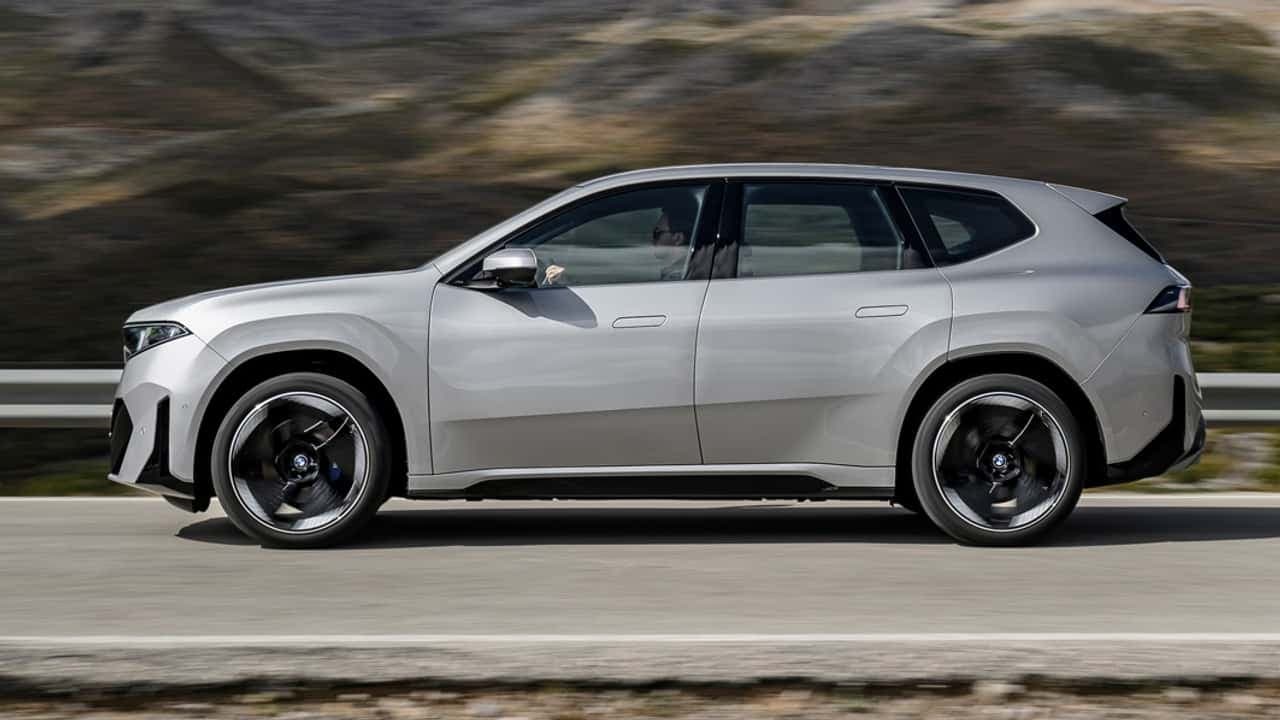
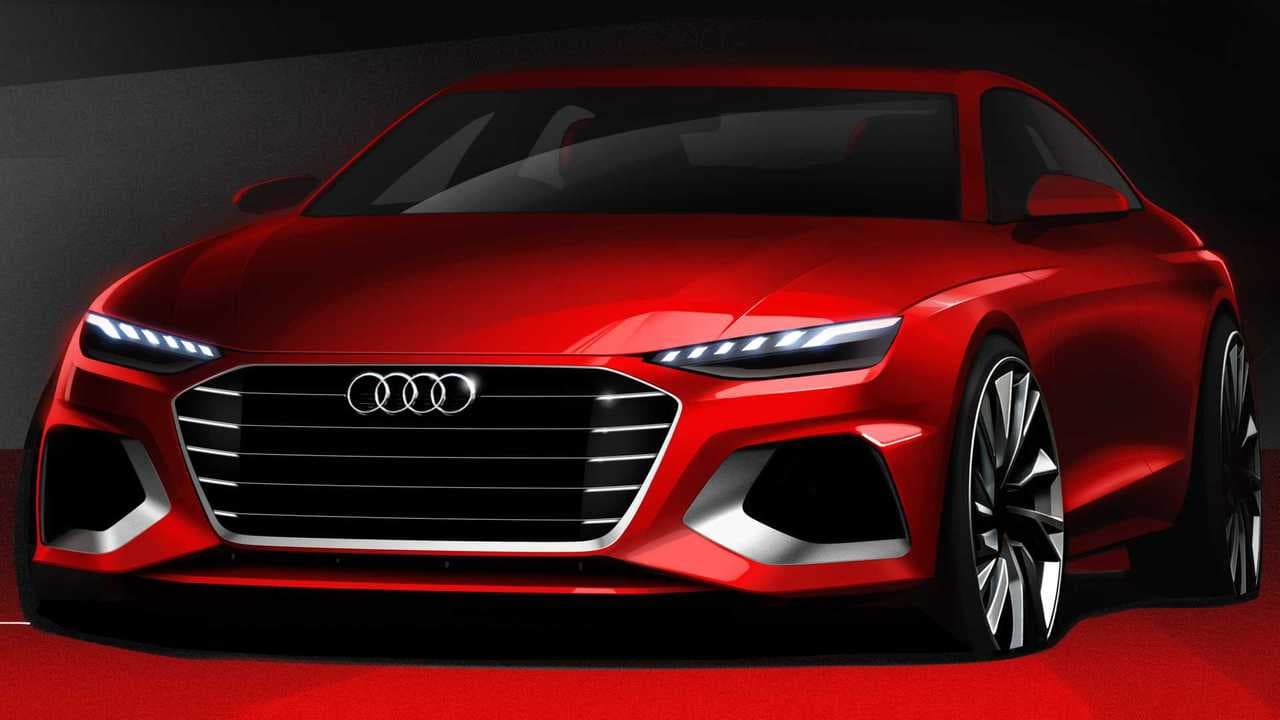
In a significant blow to Audi’s electrification roadmap, reports indicate that the automaker has delayed the launch of its highly anticipated all-electric A4 sedan. Originally slated for production in 2028, the vehicle—intended to serve as a direct competitor to the BMW i3 and the Mercedes-Benz C-Class EV—is now facing a timeline setback of approximately one year. This development is primarily linked to ongoing challenges within the Volkswagen Group, specifically regarding the development of the Scalable Systems Platform (SSP) and broader internal financial pressures.
The delay underscores the volatile nature of the current automotive landscape, where even established giants are struggling to balance the massive capital expenditure required for electrification against the reality of softening profit margins. As Volkswagen Group attempts to stem cash flow concerns, marquee projects like the A4 EV are being scrutinized for their technical complexity and budgetary impact, leading to a calculated pause in development.
Engineering Hurdles and Architectural Adjustments
The postponement is not solely a result of corporate belt-tightening; it is also driven by Audi’s specific demands regarding the vehicle’s physical architecture. Industry insiders reveal that Audi requested substantial modifications to the standard SSP underbody design. Unlike many purpose-built electric vehicles that favor a completely flat floor, Audi has insisted on custom-engineered footwells for both front and rear passengers. This move is designed to preserve the traditional cabin proportions and specific seating ergonomics that define the A4 ownership experience, effectively prioritizing brand identity over the manufacturing simplicity of a common platform.
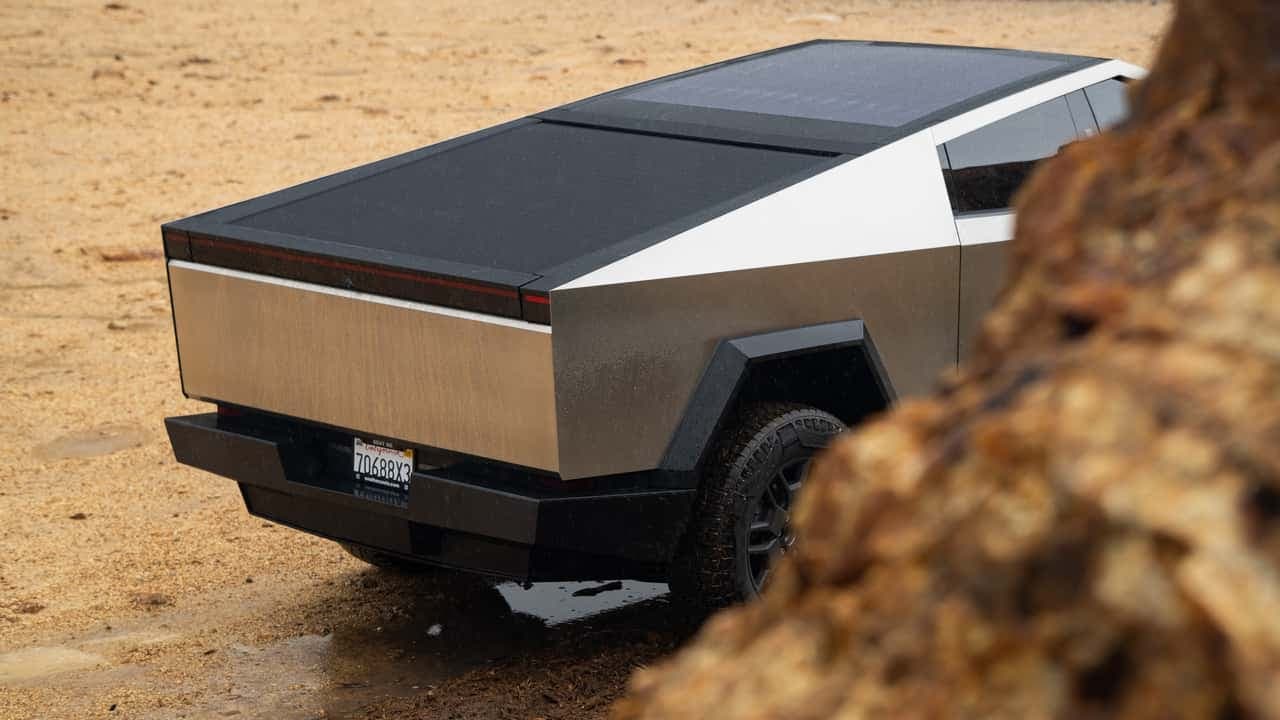
Beyond structural changes, the vehicle is set to pivot to a 48-volt electrical system for its accessories. By moving away from the conventional 12V architecture, Audi aims to mirror efficiency gains seen in high-performance EVs like the Tesla Cybertruck. This transition allows for the use of thinner wiring, which reduces overall vehicle weight, while simultaneously providing the high-bandwidth power necessary to run more advanced, compute-heavy onboard systems. These engineering choices, while technically advantageous for the end user, have contributed to the software and hardware integration complexity currently impacting the production schedule.
Why it Matters
- Platform Dependencies: The delay highlights the heavy reliance of the entire VW Group on the yet-to-be-deployed Scalable Systems Platform.
- Premium Priorities: Audi’s insistence on bespoke footwells demonstrates the tension between modular platform cost-saving and the necessity of maintaining luxury interior standards.
- Financial Balancing Act: VW Group continues to struggle with the profitability of EVs compared to traditional internal combustion engines, leading to deferred investments across multiple brands.
Outlook and Implications
The one-year delay is a clear signal that the Volkswagen Group is prioritizing financial stability over aggressive, high-risk product launches. With the ID. Golf also facing similar delays, the company is effectively buying itself time to refine its core software and hardware platforms before pushing forward with new entries into the premium sedan segment. For potential customers, this means the wait for an electric successor to the beloved A4 will be longer, but the final product may be more closely aligned with Audi’s premium legacy rather than a generic interpretation of an electric platform.