A New Frontier of Supply Chain Constraints
In the evolving landscape of electric vehicle manufacturing, the challenge of building a car has moved far beyond the traditional assembly of chassis, motors, and batteries. For companies like Rivian, the modern vehicle is increasingly a sophisticated computer on wheels. However, as the global push toward artificial intelligence and massive data center expansion accelerates, automakers are finding themselves in an unexpected battle for the very components that power their smart features.
Rivian CEO RJ Scaringe recently highlighted a significant shift in strategic priorities, noting that the company now spends an immense amount of time managing the procurement of memory chips. What was once considered a routine commodity purchase has become a complex logistical hurdle. As semiconductor manufacturers pivot their production capacity to satisfy the high-margin, high-demand requirements of AI developers, the automotive industry is facing supply tightness that threatens to inflate production costs and complicate vehicle development timelines.
The Impact of Data Center Dominance
The core of the issue lies in the redirection of semiconductor output. High-bandwidth memory and standard DRAM, which are essential for everything from smart cockpits to autonomous driving compute modules, are being aggressively snapped up by tech giants building out AI infrastructure. This supply squeeze has caused price volatility that reverberates across the entire automotive sector, forcing manufacturers to compete in a market where their buying power is being challenged by the massive capital budgets of the world's largest cloud providers.
Hardware chief Vidya Rajagopalan noted that the supply chain headaches extend beyond just memory chips. Essential components such as e-glass, used for high-end printed circuit boards, and even basic multilayer ceramic capacitors (MLCCs) have become points of potential failure in the production schedule. A shortage in any one of these mundane components can act as a bottleneck, forcing engineers to redesign systems or renegotiate supply agreements on the fly to keep production lines moving.
Navigating the Hardware Bottleneck
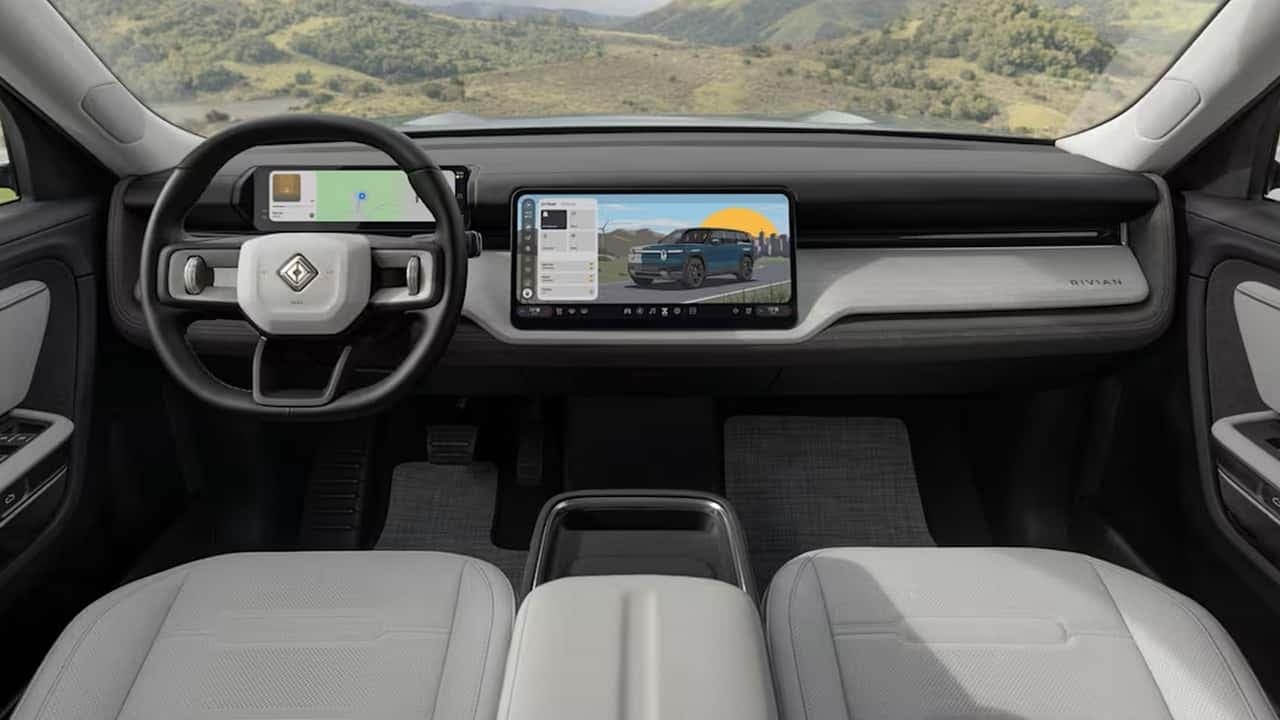
Rivian is currently working to integrate its new, proprietary hardware—most notably the Rivian Autonomy Processor and the next-generation Autonomy Compute Module 3—into its upcoming R2 platform. Maintaining the R2's target base price of $45,000 in this inflationary, supply-constrained environment requires a level of strategic agility that the automotive industry has historically not needed to exercise regarding basic microelectronics.
Why it Matters
- Resource Competition: Automakers are now directly competing with AI data centers for limited DRAM capacity, driving up costs for essential vehicle safety and convenience features.
- Strategic Procurement: Companies are moving away from treating chips as simple commodities, instead shifting toward long-term strategic supply deals, similar to the partnerships seen recently with manufacturers like Micron.
- Impact on Pricing: The rising cost of hardware components puts significant pressure on automakers to maintain affordable price points for mid-market EVs like the upcoming R2, necessitating creative engineering solutions to mitigate cost increases.
As the industry moves toward higher levels of autonomy and connected services, the stability of these supply chains will remain a critical metric for long-term viability. For Rivian and its peers, the ability to successfully navigate this AI-driven hardware scarcity will determine how effectively they can bring next-generation features to the mass market without compromising their financial targets.