Electric VehiclesTechnical Deep Dive

Volkswagen ID. Buzz Poised to Lead Autonomous Robotaxi Fleets

Published
EElectricBuzz Editorial Team
Volkswagen ID. Buzz Poised to Lead Autonomous Robotaxi Fleets
3 min read489 wordsElectricBuzz Editorial Team

The Gist

“May Mobility has announced an ambitious plan to deploy 10,000 autonomous Volkswagen ID. Buzz electric vans by 2031, targeting integration with major ride-hailing platforms.”

A New Chapter for the Electric Van

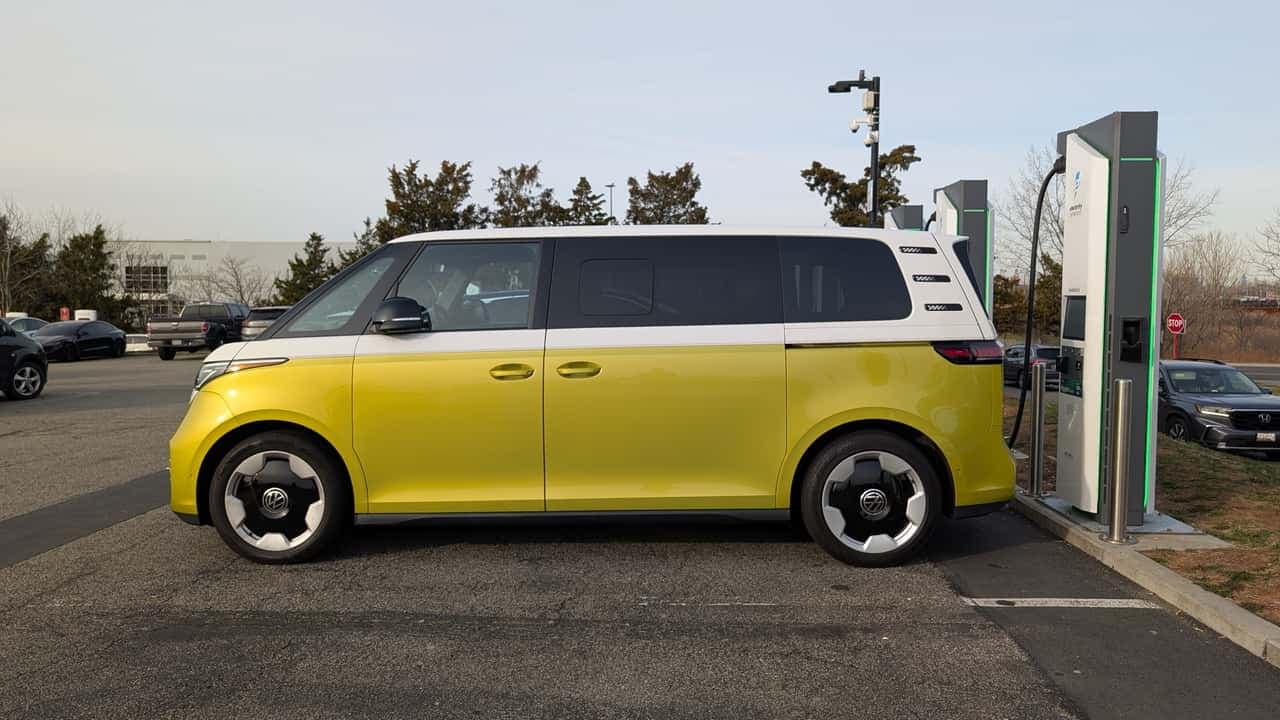
The Volkswagen ID. Buzz, while capturing hearts with its retro-futuristic aesthetic, has faced significant headwinds in the consumer market, primarily due to its premium pricing and modest range. However, a pivot toward commercial applications may be exactly what the iconic electric van needs. May Mobility, a leader in autonomous vehicle technology, has officially unveiled plans to transform the ID. Buzz into a high-capacity, driverless robotaxi, aiming to revitalize the model's footprint on public roads.

This initiative leverages the inherent strengths of the ID. Buzz: a spacious, configurable interior and the user-friendly ingress and egress typical of a minivan. By moving away from individual ownership and toward a fleet-based model, the ID. Buzz is being repositioned as a versatile mobility solution that prioritizes passenger comfort and utilitarian efficiency over personal status.

Predictive Autonomy and Integration

At the core of this transformation is May Mobility’s sophisticated autonomous stack. The company is integrating its proprietary hardware and software into the ID. Buzz, enabling the vehicle to utilize predictive modeling to navigate complex urban environments. Unlike standard sensor arrays that merely react to current obstacles, May Mobility’s technology aims to process surroundings by simulating potential future scenarios, allowing the vehicle to make informed driving decisions that mimic human intuition.

This intelligence is designed to be "platform-agnostic," meaning the modified ID. Buzz fleet is intended to integrate seamlessly into existing global robotaxi networks. By maintaining a partner-first business model, May Mobility is positioning these vans to be readily adopted by major ride-hailing giants like Uber and Lyft. This strategy ensures that the infrastructure for summoning these autonomous shuttles remains familiar to the average consumer, bridging the gap between cutting-edge autonomy and daily transportation habits.

Why It Matters

  • Scalability: With a target of 10,000 vehicles by 2031, this represents one of the most aggressive deployments of a single autonomous platform in the industry.
  • Market Validation: By targeting commercial fleets, Volkswagen can bypass the retail consumer price sensitivity that has hindered the ID. Buzz's adoption in the U.S.
  • Technical Maturity: May Mobility brings a track record of over 600,000 commercial driverless rides in the U.S. and Japan, providing a solid foundation for the ID. Buzz program.

Strategic Deployment Timeline

The road to widespread autonomous operation begins in earnest early next year with comprehensive road testing of the modified ID. Buzz prototypes. This testing phase will refine the sensor integration and predictive software in real-world scenarios. Following successful validation, May Mobility expects to deliver the first fleet vehicles to commercial partners by 2028.

This partnership-heavy approach serves as a critical proof-of-concept for the industry. While other manufacturers have explored various autonomous formats, the combination of Volkswagen’s established manufacturing reliability and May Mobility’s proven software stack provides a unique pathway to commercial viability. As the automotive sector shifts toward mobility-as-a-service, the ID. Buzz is effectively transitioning from a niche lifestyle vehicle into a foundational pillar of the future urban transit landscape.
SPONSORED
The 5 Best Over-Ear ANC Headphones of 2026, Tested & Ranked
Editor's Pick Guide
92/100
Tech & Gadgets•12 min read

The 5 Best Over-Ear ANC Headphones of 2026, Tested & Ranked

We locked five over-ear ANC picks for 2026 — Sony WH-1000XM6, Bose QuietComfort Ultra 2, Soundcore Space One, Sennheiser Momentum 5, and Apple AirPods Max 2 — then stress-tested them on lab metrics, long-term owner truth, and live street prices.

Related Stories

Semantically matched articles, ranked by topic overlap and freshness.

Tesla Retires Entry-Level AWD Model Y, Raising the Price Floor for Dual-Motor Performance
Electric Vehicles

Tesla Retires Entry-Level AWD Model Y, Raising the Price Floor for Dual-Motor Performance

In a sudden shift to its product strategy, Tesla has removed its most affordable all-wheel-drive Model Y, forcing buyers toward higher-tier trims.

Audi’s Electric A4 Sedan Delayed Amid Volkswagen Group Strategic Shift
Electric Vehicles

Audi’s Electric A4 Sedan Delayed Amid Volkswagen Group Strategic Shift

Audi has reportedly pushed back the launch of its anticipated A4 electric sedan by one year as the Volkswagen Group navigates financial hurdles and architectural adjustments.

The AI Frenzy is Squeezing Automotive Supply Chains
Electric Vehicles

The AI Frenzy is Squeezing Automotive Supply Chains

Rivian is navigating a complex new supply chain reality where the insatiable demand for AI data center components is creating shortages for essential automotive hardware.

Seattle Empowers Apartment Residents With Massive Curbside EV Charging Expansion
Electric Vehicles

Seattle Empowers Apartment Residents With Massive Curbside EV Charging Expansion

Seattle is tackling the 'charging desert' for apartment dwellers by launching a resident-driven initiative to install 200 new curbside Level 2 chargers by 2030.

Tesla Extends Cybertruck Production Timeline Amidst Backlog Pressure
Electric Vehicles

Tesla Extends Cybertruck Production Timeline Amidst Backlog Pressure

In a surprise move, Elon Musk has extended the Cybertruck production run through late 2027 to address lingering order backlogs and fan sentiment.

Uber Hits Milestone With 200 Million Electric Miles, But The Road To 2030 Remains Steep
Electric Vehicles

Uber Hits Milestone With 200 Million Electric Miles, But The Road To 2030 Remains Steep

Uber's third-quarter report highlights a major surge in EV adoption among its drivers, yet the ride-hailing giant continues to struggle against its ambitious zero-emission sustainability targets.

Google Gemini Arrives on Apple CarPlay: A New Era for In-Car AI
Electric Vehicles

Google Gemini Arrives on Apple CarPlay: A New Era for In-Car AI

Google is breaking down barriers between ecosystems by bringing its Gemini AI voice assistant directly to Apple CarPlay, offering drivers a more conversational and productive commute.

BMW Sweetens the Deal for 2027 EV Buyers With $500 Charging Credit
Electric Vehicles

BMW Sweetens the Deal for 2027 EV Buyers With $500 Charging Credit

BMW is incentivizing the transition to its upcoming 2027 electric lineup by offering new buyers $500 in public charging credits and exclusive membership perks.