A Shift in Mobility Driven by Necessity
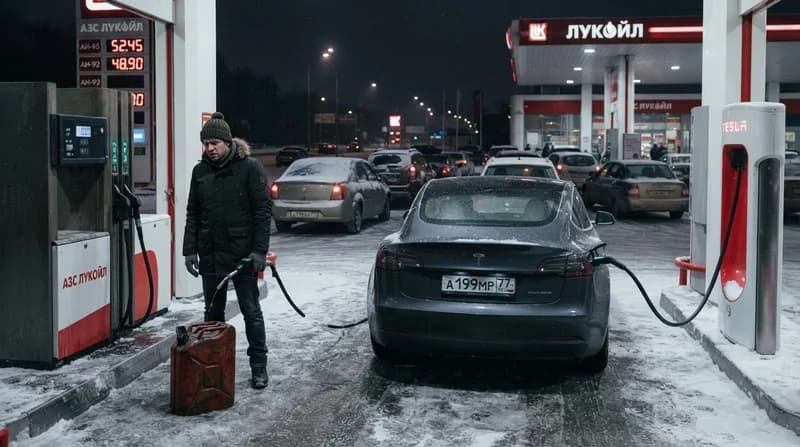
In a striking development for the Russian automotive landscape, sales of battery-electric vehicles (BEVs) and plug-in hybrids (PHEVs) have more than doubled this summer. This surge, while unusual for a market historically hindered by harsh climates, vast distances, and a limited charging infrastructure, highlights a dramatic pivot in consumer behavior. With petrol and diesel supplies tightening following targeted disruptions to domestic oil refineries, many Russian drivers are finding that the traditional fuel pump is no longer a reliable lifeline.
Data provided by analytics firm Autostat paints a clear picture of this transition. Between June and August, sales of electrified passenger vehicles reached 26,543 units—a staggering 117.8 percent increase over the 12,187 units sold during the same period last year. While electrified vehicles previously accounted for a mere 4.3 percent of the market, the sustained pressure on fuel availability has forced a rapid reassessment of the electric drivetrain as a viable alternative.
The Chinese Market Dominance
The sudden appetite for electric mobility is being met almost exclusively by manufacturers from the People's Republic of China. Following the widespread withdrawal of European, American, and Asian automakers in response to geopolitical sanctions and the ongoing conflict, a significant vacuum opened up in the Russian retail sector. Chinese brands have moved quickly to claim this space, utilizing both official sales channels and parallel imports to reach urban centers like Moscow.
Brands such as Zeekr and Li Auto have found success among premium urban buyers, while state-supported local initiatives are attempting to bolster domestic supply. The Evolute brand, for instance, operates an assembly plant in Lipetsk that converts completely knocked-down kits from Chinese partners—specifically Dongfeng—into vehicles like the i-Joy electric SUV. To stimulate this adoption, the government has introduced a substantial 35 percent purchase price subsidy, effectively lowering the barrier to entry for consumers facing the twin pressures of fuel scarcity and rising transport costs.
Why it Matters
- Supply Chain Realignment: The Russian market has effectively pivoted from Western and Japanese legacy brands to a near-total reliance on Chinese automotive engineering and supply chains.
- Infrastructure Resilience: Despite the lack of a mature national charging grid, public charging usage in key cities like Moscow has spiked, indicating that urban infrastructure is at least partially capable of absorbing the immediate influx of new EV owners.
- Energy Vulnerability: This trend underscores how kinetic conflicts can create cascading effects on energy security, pushing consumers toward alternative power sources not necessarily out of environmental concern, but for basic mobility survival.
The Future Outlook
While the current spike is clearly reactive, it provides a unique case study in how energy insecurity can accelerate technology adoption in markets that were previously resistant. Whether these sales figures represent a long-term structural shift or a temporary response to fuel queuing remains to be seen. However, with Chinese manufacturers firmly entrenched and government subsidies in place, the Russian electric car market appears to have passed a critical—albeit forced—inflection point.