A New Frontier for EV Infrastructure Financing
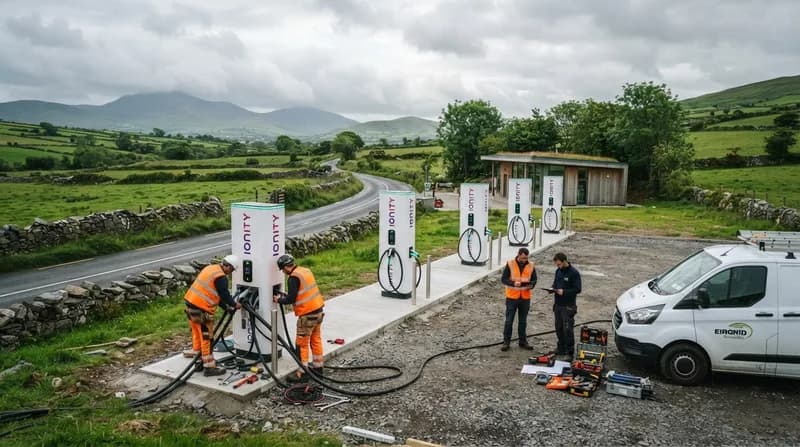
The transition to electric mobility has hit a major financial milestone this week as EZO, the Ireland-based charging provider, announced it has secured €150 million in senior debt financing. This capital injection is earmarked for the aggressive expansion of the company’s electric vehicle charging network throughout the United Kingdom and Ireland. By funding the design, installation, and ongoing maintenance of more than 3,000 individual charge points, EZO aims to bolster public charging capacity by a staggering 100 megawatts.
What sets this deal apart from traditional venture-backed growth strategies is the unique financial framework utilized by the company. In partnership with major institutional lenders including Aberdeen Investments and Standard Life, EZO has established a structure where the revenue generated by the newly installed infrastructure is specifically ringfenced to service and repay the debt over a seven-year term. Industry analysts view this as a pioneering approach, potentially creating a blueprint for how infrastructure projects will secure funding in the future by leveraging long-term public sector concessions.
Strategic Partnerships and Long-Term Vision
EZO’s expansion strategy relies heavily on long-term partnerships with public-sector entities. These agreements allow for the integration of charging infrastructure into municipal planning, ensuring that chargers are placed in high-demand, high-utility areas. The company projects that this network could generate upwards of €1 billion in electricity sales over the next two decades, with a portion of those proceeds flowing back to public sector partners, creating a sustainable ecosystem for regional governments.
This latest round of funding follows a string of operational successes for the firm. Earlier this year, the company began a significant rollout in North Scotland, and in June, it finalized a massive £176 million contract with four councils in England’s Midlands region. That 15-year commitment alone involves the installation of 250 rapid and ultra-rapid chargers, serving a population of over two million people. These moves suggest that EZO is quickly cementing its position as a primary backbone for the British and Irish EV transition.
Why It Matters
- Financial Innovation: Using a ringfenced revenue model to pay down debt is a first for the sector, likely signaling a shift toward more traditional, asset-backed project finance for EV infrastructure.
- Scale of Deployment: Adding 3,000 charge points with a total capacity of 100 MW addresses the persistent "range anxiety" issue by providing high-speed, reliable, and publicly available power.
- Public-Private Collaboration: By sharing revenue with municipal partners, EZO ensures that cities and councils remain incentivized to maintain and expand the grid over the long term.
As the automotive industry continues to pivot away from internal combustion engines, the pressure on national power grids and charging availability has never been higher. With this €150 million facility, EZO is not just adding hardware to the streets; it is validating a scalable, replicable business model that could finally bridge the gap between regional transport needs and national sustainability targets.