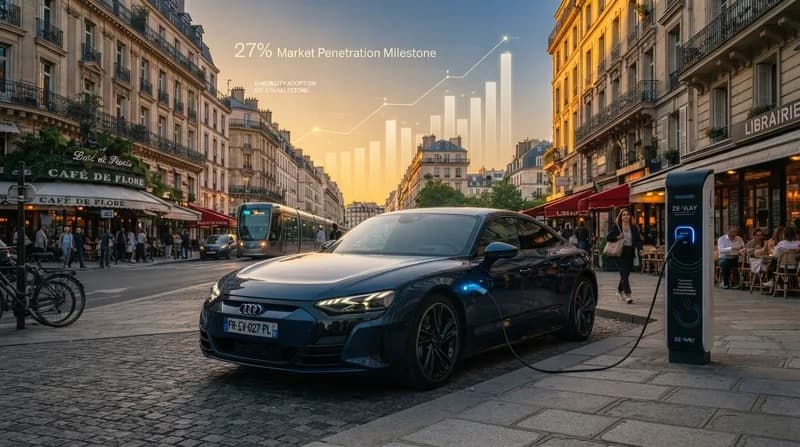
The European EV Tipping Point
The European Union's automotive landscape is undergoing a profound transformation. According to the latest data from the European Automobile Manufacturers' Association (ACEA), August 2026 marked a significant milestone for sustainable mobility, with battery-electric vehicles (BEVs) securing a 27.7 percent share of all new passenger car registrations. When combined with the 11.1 percent market share held by plug-in hybrids (PHEVs), nearly 39 percent of all new vehicles entering the road now feature an external charging capability.
This growth is not merely incremental; it represents a robust upward trend. Total passenger car registrations reached 708,211 units in August. Within this cohort, BEVs accounted for 196,486 registrations—a staggering 62.7 percent increase compared to August 2025. While plug-in hybrids also saw positive movement, rising by 10.8 percent, the market clearly favors fully electric powertrains, which now outpace PHEV registrations by more than two to one.
Regional Growth Drivers
The momentum for electrification is particularly concentrated in major European economies. Germany, the continent's largest car market, registered 68,930 electric vehicles in August, reflecting a massive 75.1 percent year-over-year jump. France and Denmark also posted triple-digit and high-double-digit growth figures, respectively, confirming that the appetite for electric mobility is accelerating across diverse geographic and economic sectors of the EU.
Beyond the EU borders, the United Kingdom is showing solid performance as well. August saw UK BEV registrations climb 27.7 percent, while PHEVs experienced a surge of 39.8 percent. Norway continues to serve as the global benchmark, boasting a nearly saturated market where BEVs accounted for an astonishing 98.7 percent of new registrations, proving the long-term viability of the shift toward electrification.
The Evolving Competitive Landscape
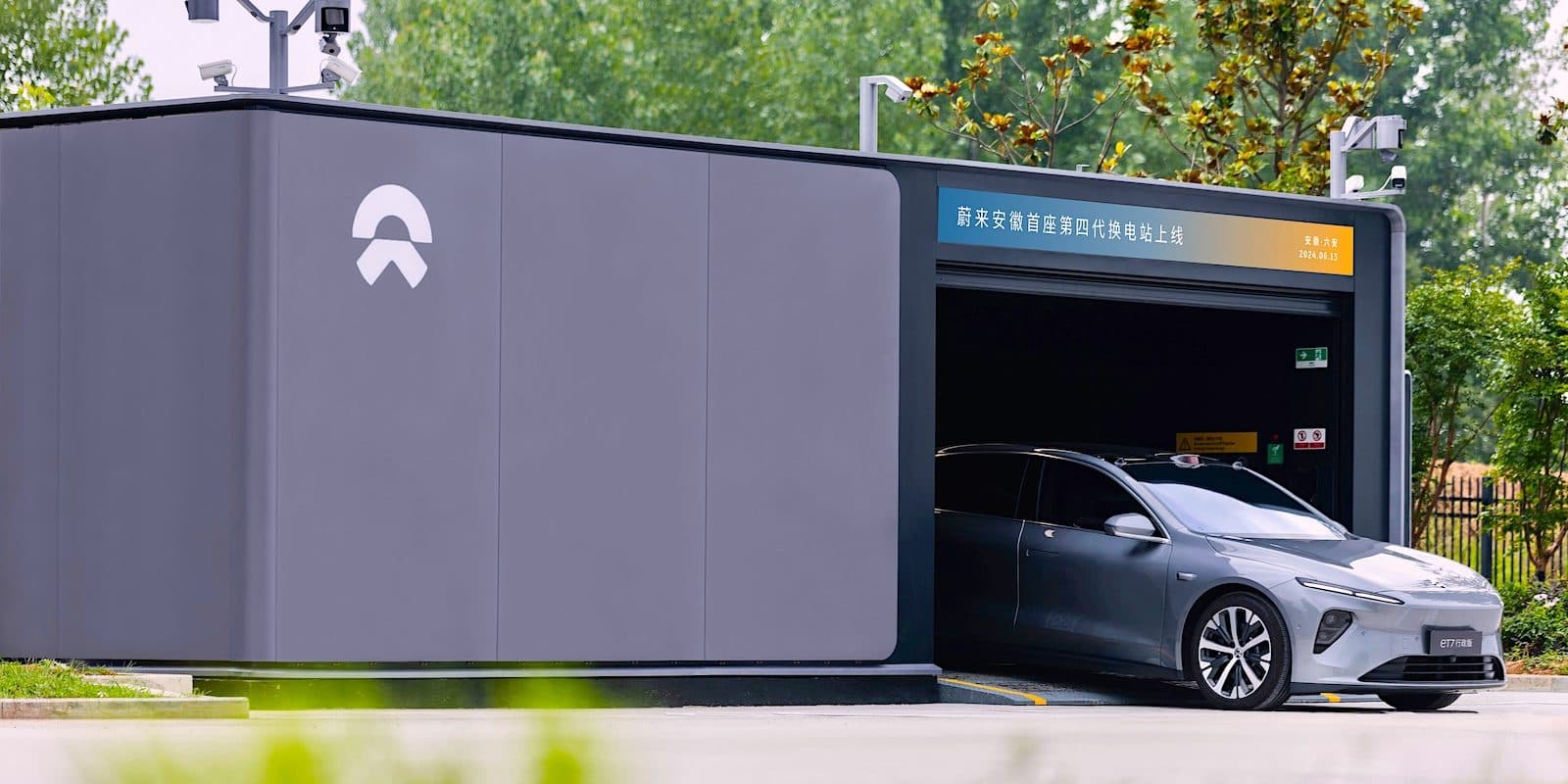
The shift toward electric powertrains is coinciding with a notable change in the manufacturer hierarchy. While traditional European players navigate the transition, several Chinese brands are rapidly gaining ground. BYD, for instance, reported a 163 percent increase in EU registrations through the first eight months of the year, while the brand Leapmotor saw a dramatic 426.8 percent surge. These figures highlight an increasingly crowded and competitive market where agility and a strong portfolio of electric and plug-in hybrid options are becoming the primary levers for success.
Why It Matters
- Market Displacement: Traditional diesel and petrol vehicles are losing relevance, with both categories seeing significant double-digit declines in registrations over the first eight months of the year.
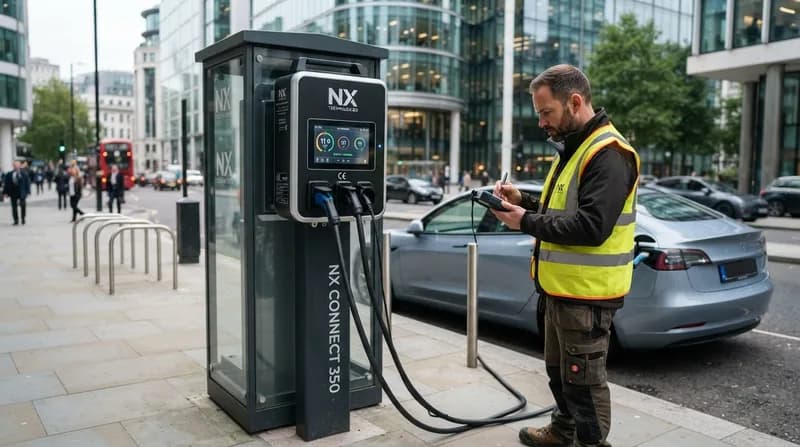
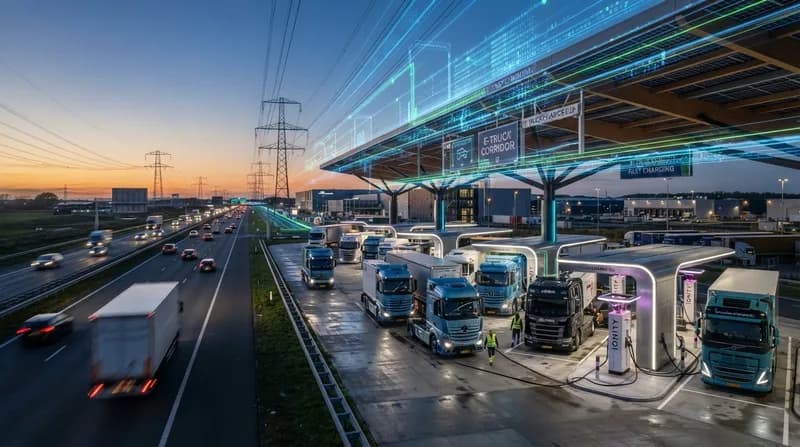
- Infrastructure Demand: As nearly 40% of new cars now require charging, the pressure on EU member states to accelerate the deployment of public and private charging infrastructure has never been higher.
- Strategic Shifts: The rapid growth of Chinese manufacturers indicates a reordering of the European automotive market, forcing legacy OEMs to accelerate their electrification roadmaps to maintain their foothold.
As the market approaches the final quarter of the year, the narrowing gap between conventional internal combustion engines and the growing variety of electrified powertrains signals that the transition is no longer a niche phenomenon, but the new standard for the European automotive industry.