A New Front in the EV Trade War
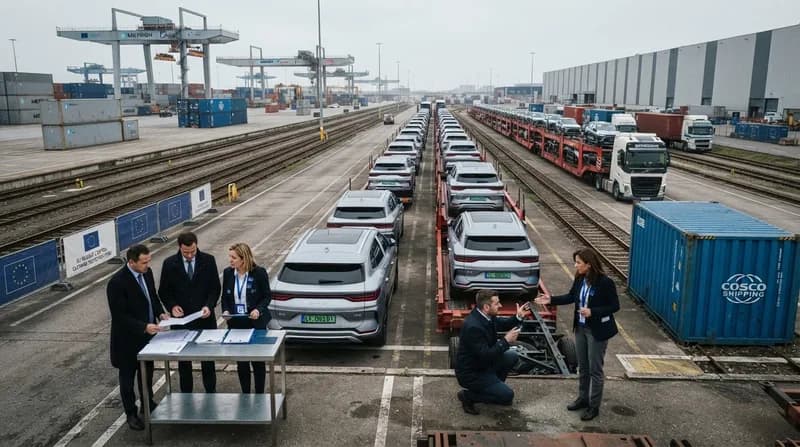
The European Union is intensifying its efforts to curb the rapid influx of Chinese-manufactured hybrid vehicles, signaling a potential escalation in the ongoing automotive trade dispute. With imports of these vehicles reaching record highs, European officials are now urging Beijing to voluntarily implement export limits. This diplomatic push comes as the EU aims to protect its domestic manufacturing base from what it terms the threat of deindustrialization, framing the move as a necessary step toward managed trade.
Currently, the EU is attempting to secure a commitment from China to cap the market share of Chinese-made hybrid vehicles at approximately 15 percent of the European market. Recent data reveals that these imports have already expanded to account for over one-third of the hybrid sector. With crunch meetings scheduled for next month in Beijing, the outcome will likely dictate whether the European Commission proceeds with formal anti-subsidy investigations and specific tariff structures similar to those already imposed on pure electric vehicles.
The Surge of Hybrids Under Tariff Scrutiny
The urgency behind this request stems from a dramatic shift in consumer and manufacturer behavior. Following the imposition of special tariffs on pure battery-electric vehicles (BEVs) in late 2024—which added significant costs for brands like BYD, Geely, and SAIC—manufacturers pivoted aggressively toward hybrids. Because hybrid vehicles currently only face a standard 10 percent EU import tariff, they have become a strategic loophole for Chinese automakers looking to maintain their competitive edge in Europe without incurring the prohibitive penalties leveled against BEVs.
The scale of this shift is stark. Records indicate that hybrid imports from China skyrocketed from roughly 3,800 units in October 2024 to an staggering 50,000 units by July 2026. This tenfold increase has effectively neutralized the protective impact the EU intended to create with its initial EV tariff strategy. For European regulators, the current surge is unsustainable, leading to clear warnings that if China does not manage its exports independently, the EU is prepared to intervene with mandatory, manufacturer-specific tariffs.
Why it Matters
- Preventing Deindustrialization: The EU views the current import volume as an existential threat to its own automotive manufacturing sector, which is already struggling with the transition to electrification.
- Closing the Loophole: Hybrid vehicles have become the primary method for Chinese OEMs to circumvent the high tariffs currently applied to pure EVs.
- Managed Trade vs. Protectionism: The EU is positioning this as a move toward "managed trade" to address a ballooning trade deficit, though it risks triggering retaliatory measures from Beijing.
As the October deadline for "concrete results" approaches, the automotive industry remains on edge. Whether this conflict ends in a negotiated voluntary export restraint or a new round of punitive duties remains the central question for the European automotive landscape heading into the final quarter of the year.