The upcoming solar eclipse in August 2026 is set to be more than just a visual spectacle; it represents a massive opportunity for scientific advancement. While professional astronomers and physicists are preparing high-tech equipment to analyze the sun’s corona, the scientific community is increasingly looking toward the public to help fill data gaps that traditional observatories cannot cover alone.
Expanding the Scope of Solar Research
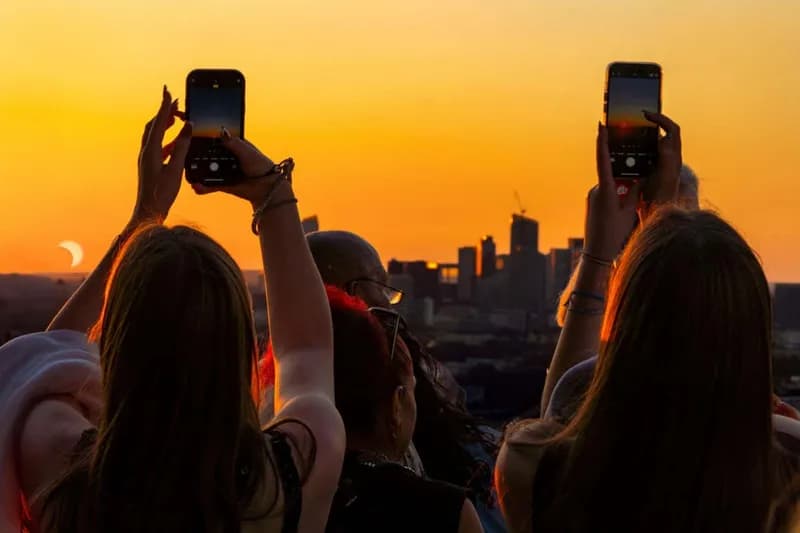
Citizen science projects allow individuals to contribute to real-world research by documenting environmental changes, capturing localized imagery, and recording atmospheric shifts during the period of totality. These projects aim to gather a high density of observations across different geographic locations, providing a multi-perspective dataset that would be impossible for a single team to acquire.
Key areas of focus for these initiatives include monitoring animal behavior during the sudden darkness, measuring temperature fluctuations, and using smartphone sensors to detect changes in the ionosphere. By participating, non-professionals can play a vital role in helping scientists understand the complex dynamics of our sun and its impact on Earth's environment.