ScienceTechnical Deep Dive

Childhood Antibiotic Use Linked to Increased Risk of Adult IBS

Published
EElectricBuzz Editorial Team
Childhood Antibiotic Use Linked to Increased Risk of Adult IBS
3 min read479 wordsElectricBuzz Editorial Team

The Gist

“A major new study reveals that repeated antibiotic exposure during childhood and adolescence is statistically associated with a higher prevalence of Irritable Bowel Syndrome by age 24.”

The Long-Term Impact of Early Antibiotic Exposure

New research presented at the UEG Week 2026 conference has shed light on a potential long-term consequence of medical treatments administered during childhood. According to a large-scale prospective study, individuals who received frequent antibiotic prescriptions from childhood through early adulthood show a significantly higher likelihood of developing Irritable Bowel Syndrome (IBS) by their mid-twenties. This discovery is particularly significant as it utilizes objectively recorded data from the Swedish Prescribed Drug Register, moving past the limitations of previous studies that relied heavily on patient recall.

The study, which tracked 2,853 participants from the Swedish BAMSE birth cohort, provides a clearer picture of how common early-life interventions may influence digestive health decades later. By analyzing prescription records from age 9-11 through age 24, researchers found that the risk of developing IBS rises in tandem with the frequency of antibiotic usage, suggesting a dose-dependent relationship that warrants further clinical investigation.

Understanding the Data: Risk Factors and Trends

The statistical correlation found in the study is robust: participants who had been prescribed antibiotics during the tracking period were 1.5 times more likely to develop IBS compared to those who had not. The findings showed a clear, progressive increase in risk as the volume of prescriptions grew. For individuals with one or two prescriptions, the odds increased by a factor of 1.3, while those who received six or more prescriptions saw that figure rise to 1.7 times the baseline risk.

  • One to two prescriptions: 1.3x higher odds of IBS.
  • Three to five prescriptions: 1.6x higher odds of IBS.
  • Six or more prescriptions: 1.7x higher odds of IBS.

Specific classes of antibiotics, namely tetracyclines and cephalosporins, demonstrated a particularly notable link to digestive issues. While any exposure to tetracyclines was associated with 1.4 times the risk of IBS, the data for cephalosporins was even more pronounced, with three or more prescriptions linked to a 6.0-fold increase in the odds of the disorder.

The Role of the Gut Microbiome

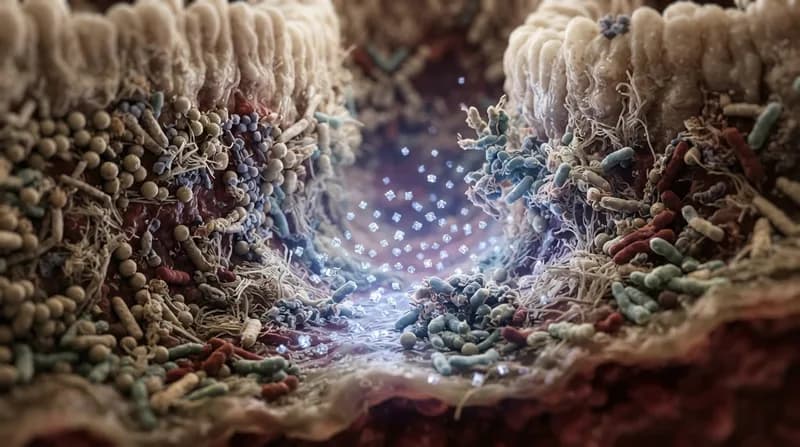
While the study stops short of claiming direct causality, the authors highlight the gut microbiome as the primary suspect for this persistent link. Antibiotics are known to significantly alter the composition of gut bacteria. If these microbial shifts are profound or repeated throughout developmental years, they may permanently alter the gut environment, potentially contributing to the onset of IBS symptoms such as chronic abdominal pain and irregular bowel habits.

Dr. Jessica Sjölund, the study's lead author, emphasizes that these findings should not deter patients from seeking necessary treatment for bacterial infections. Instead, the research underscores the importance of prudent, evidence-based prescribing. As antibiotics remain a critical tool in modern medicine, the medical community must continue to weigh the immediate necessity of these drugs against the potential for long-term health implications, advocating for careful stewardship to avoid unnecessary courses of treatment that could disrupt the delicate balance of the digestive system.


SPONSORED
The 5 Best Over-Ear ANC Headphones of 2026, Tested & Ranked
Editor's Pick Guide
92/100
Tech & Gadgets•12 min read

The 5 Best Over-Ear ANC Headphones of 2026, Tested & Ranked

We locked five over-ear ANC picks for 2026 — Sony WH-1000XM6, Bose QuietComfort Ultra 2, Soundcore Space One, Sennheiser Momentum 5, and Apple AirPods Max 2 — then stress-tested them on lab metrics, long-term owner truth, and live street prices.

Related Stories

Semantically matched articles, ranked by topic overlap and freshness.

Social Disparities and Primary Care Access Linked to Early Mortality in Metastatic Breast Cancer
Science

Social Disparities and Primary Care Access Linked to Early Mortality in Metastatic Breast Cancer

A new study reveals that systemic barriers, including lack of primary care and socio-economic marginalization, significantly heighten the risk of premature death following a diagnosis of metastatic breast cancer.

Ancient Japan's Volcanic Apocalypse: A New Perspective on Human Resilience
Science

Ancient Japan's Volcanic Apocalypse: A New Perspective on Human Resilience

New archaeological research reveals that the devastating Kikai-Akahoya volcanic eruption 7,300 years ago led to complex population shifts rather than total annihilation.

Unlocking Longevity: 'Youth Protein' TIMP2 Rejuvenates Aging Brain Cells
Science

Unlocking Longevity: 'Youth Protein' TIMP2 Rejuvenates Aging Brain Cells

Researchers have discovered that the protein TIMP2 acts as a critical regulator for brain health, offering a potential new pathway to combat neurodegenerative decline.

Cosmic Countdown: Astronomers Pinpoint Imminent Supermassive Black Hole Merger
Science

Cosmic Countdown: Astronomers Pinpoint Imminent Supermassive Black Hole Merger

New observations of galaxy Mrk 501 reveal a hidden secondary jet, suggesting two supermassive black holes are locked in a death spiral that could culminate in a collision within a century.

Hidden Interactions: How Common Sweeteners May Alter Your Gut Microbiome
Science

Hidden Interactions: How Common Sweeteners May Alter Your Gut Microbiome

New research from the University of Cambridge reveals that sweeteners can disrupt gut bacteria, with some combinations—especially those involving common medications—producing significant microbial shifts.

Could a Soy-Derived Compound Be the Future of Salt-Defense Nutrition?
Science

Could a Soy-Derived Compound Be the Future of Salt-Defense Nutrition?

Japanese researchers have identified a soy-derived compound, LPC70, that mitigates the damaging effects of high-salt diets on both blood pressure and cognitive health in mice.

Biological Breakthrough: Why Male and Female Skin Repair Differently
Science

Biological Breakthrough: Why Male and Female Skin Repair Differently

New research reveals that sex hormones dictate how skin stem cells synchronize, potentially unlocking new pathways for faster wound healing and cancer treatment.

Surgical Sustainability: How Greener Anesthesia Practices are Cutting Hospital Emissions
Science

Surgical Sustainability: How Greener Anesthesia Practices are Cutting Hospital Emissions

A landmark study reveals that hospitals can significantly slash their carbon footprint and operating costs by optimizing anesthesia protocols without sacrificing patient safety.