The Critical Link Between Primary Care and Cancer Outcomes
A recent study published in the Canadian Medical Association Journal has shed light on a troubling trend in oncology: patients diagnosed with de novo metastatic breast cancer—meaning the disease has already spread upon initial discovery—face significantly higher risks of early mortality when they lack consistent access to primary care. The research, which analyzed data from 4,004 patients treated in Ontario between 2010 and 2019, found that nearly 23% of those studied passed away within six months of their diagnosis.
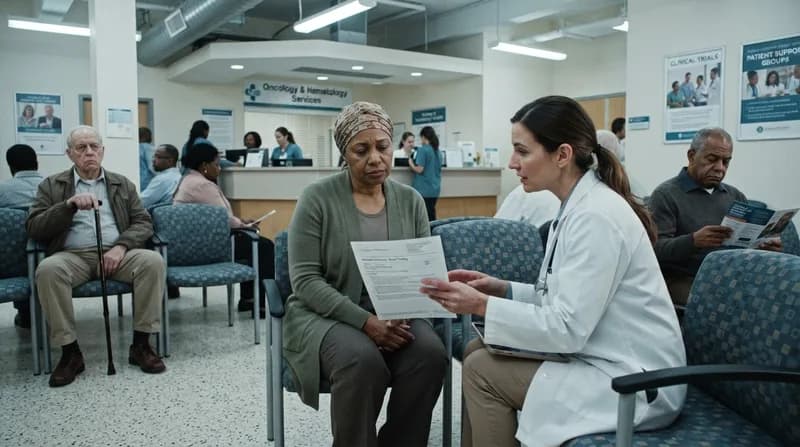
This investigation into the Canadian healthcare landscape highlights that access to a family physician is not merely a convenience but a vital survival factor. Patients who maintained a relationship with a primary care provider demonstrated 26% lower odds of early death. The findings suggest that these providers act as a necessary gatekeeper, ensuring timely mammogram screenings and facilitating a faster pipeline to diagnostic services before a cancer reaches a terminal stage.
Socioeconomic Marginalization and Geography as Barriers
Beyond the absence of a family doctor, the research utilized the Ontario Marginalization Index to determine how social determinants of health influence life expectancy after a stage IV cancer diagnosis. Factors such as income instability, housing insecurity, and unemployment were consistently associated with higher rates of early mortality. These variables underscore a systemic gap in health equity, where the most vulnerable populations are not only statistically more likely to develop advanced cancer but also less likely to survive the initial period following its detection.
The study also pointed to the challenges faced by rural residents. Because specialized oncology treatment is frequently concentrated in urban centers, those living in remote areas face the compounded burden of travel time and geographic isolation. This physical distance often interferes with the continuous monitoring and symptom management required for complex cancer care, further contributing to the elevated mortality rates observed in the data.
Why It Matters: The Role of Primary Care in Oncology
- Early Detection: Patients with regular access to primary care are statistically more likely to have received a mammogram within the two years preceding their diagnosis.
- Systemic Overload: As the demand for cancer treatment grows exponentially, medical experts warn that oncology departments cannot manage patient loads without the support and coordination provided by primary care clinics.
- Integrated Care Models: The authors advocate for a shift toward integrating virtual care and mobile health delivery to bridge the gap for rural and marginalized communities.
- Holistic Management: Primary care is essential for more than just screening; it is a pillar for symptom control, psychosocial support, and the management of treatment-related side effects.
Pathways for Future Policy and Clinical Practice
The authors of the study, led by Dr. Priya Thomas and Dr. Phillip Blanchette, emphasize that these findings represent a call to action for healthcare policymakers. While clinical advances in chemotherapy, immunotherapy, and targeted therapies have improved survival rates for metastatic breast cancer, these innovations are ineffective if they fail to reach the patient in a timely manner. The research suggests that the future of cancer care must involve a more robust integration of primary care into the oncology ecosystem.
Moving forward, the research team advocates for targeted public health efforts aimed at optimizing mammography screening in marginalized areas. By prioritizing equitable access to preventive care and addressing the systemic barriers that prevent consistent interaction with the healthcare system, medical institutions may be able to reduce the frequency of de novo metastatic diagnoses. The ultimate goal remains a health system where geographic location and socioeconomic status are not primary predictors of an individual's prognosis.